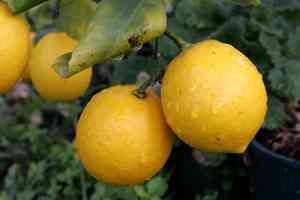
Brush cherry (Syzygium paniculatum)
Also known as: Magenta lilly pilly, Australian water pear
The Illawarra Plum (Podocarpus elatus) is an indigenous plant species found in New South Wales, Australia. This species yields edible fruits resembling red grapes, which are frequently transformed into jams.
In This Article
Attributes of Brush cherry
Lifespan
Perennial
Plant Type
Shrub, Tree
Plant Height
3.5 m to 12 m
Spread
3 m to 6 m
Leaf Color
Green Red Purple
Flower Size
2.5 cm to 5 cm
Flower Color
White
Images of Brush cherry
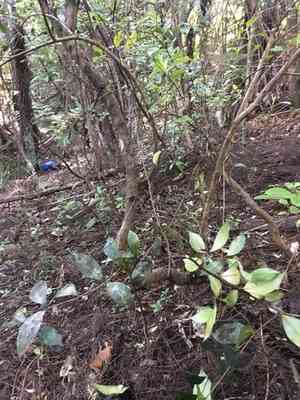
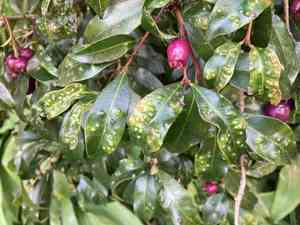
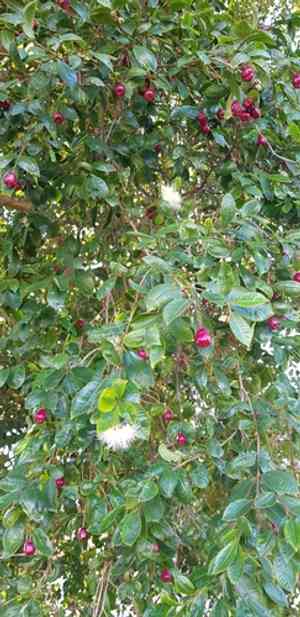
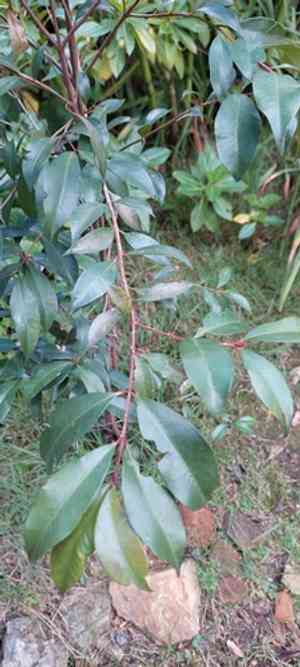
Quickly Identify Brush cherry
1
Identify Syzygium paniculatum by its small, glossy, elliptical leaves that are dark green on top and lighter underneath. The tree has clusters of white to cream-colored flowers and produces bright magenta-colored, cherry-like fruits.
Scientific Classification of Brush cherry
Phylum
Vascular plants
Class
Dicotyledons
Order
Myrtales
Family
Myrtle
Genus
Lillipillies
Species
Brush cherry
Planting and Growing of Brush cherry
Care Difficulty
Moderate
Watering Schedule
Every 4 days
Sunlight Requirements
Full sun
Sunshine Duration
6-8 hours
Ideal Temperature
65-75℉
Soil Type
Potting Mix, Peat Mix
Soil pH
6.5-7.5
Fertilizer Type
Balanced
Pruning Season
Spring, Summer
Pruning Area
Branches, Leaves
Pruning Frequency
2 times a year
Repotting Season
Spring
Pot Type
Plastic, Terracotta
 How to Water Brush cherry?
For Syzygium paniculatum, you should ensure the soil is evenly moist without being waterlogged. Water the plant with around 500 ml of water per session, allowing the top inch of soil to dry out slightly between waterings. This approach helps to mimic the plant's natural environment, promoting healthy growth.
More About Watering Techniques→
What are the symptoms of an underwatered Brush cherry?
›
What should I do if my Brush cherry is not getting enough water?
›
What are the symptoms of an overwatered Brush cherry?
›
How to save an overwatered Brush cherry?
›
 What Are the Sunlight Requirements for Brush cherry?
Syzygium paniculatum thrives in conditions ranging from full sun to partial sun. Sufficient light ensures robust growth, vibrant leaf coloration, and improved flowering potential.
More About Sunlight Requirements Techniques→
What is the best time for Syzygium paniculatum to receive sunlight?
›
How can I ensure Syzygium paniculatum gets its ideal lighting?
›
What are the benefits of the ideal lighting for Syzygium paniculatum?
›
 What Is the Ideal Temperature Range for Brush cherry?
The ideal temperature range for Syzygium paniculatum is between 65°F and 75°F. Within this range, the plant can perform optimal photosynthesis and maintain its metabolic processes efficiently. It ensures healthy growth, vibrant foliage, and flowering.
 What Soil is Best for Brush cherry?
Syzygium paniculatum thrives in well-draining soils that prevent root rot. Such soil structures promote healthy root systems by allowing excess water to escape and sufficient airflow, aiding in nutrient uptake. The plant favors moderately fertile soil that is rich in organic matter. This ensures a steady nutrient supply, promoting robust growth and vibrant foliage, while also aiding in the buffering capacity against pH fluctuations. Despite requiring good drainage, Syzygium paniculatum also benefits from soil with some moisture retention capabilities. Such a balance helps in maintaining consistent hydration without the risk of waterlogging during drier periods.
More About Soil→
 How to Fertilize Brush cherry?
Syzygium paniculatum benefits from balanced fertilization. Apply liquid fertilizer with a concentration of 10-10-10 NPK at half strength, approximately 50 ml per liter of water. When using slow-release pellets, evenly disperse 25-50 grams around the base of the plant, depending on its size and growth stage.
More About Fertilizing Techniques→
 How to Prune Brush cherry?
Prune to shape the canopy by removing any overly long branches, ensuring even growth. This maintains a compact appearance while allowing sunlight to penetrate the lower branches. Trim back branches to encourage new growth. Cut just above a leaf node at a 45-degree angle, which stimulates the plant to produce more leaves and branches.
More About Pruning Techniques→
 How to Propagate Brush cherry plant?
1
Harvest ripe seeds from mature Syzygium paniculatum fruits. Clean them thoroughly to remove any pulp, which may hinder germination if left on.
2
Select healthy, disease-free branches for cuttings. Cut below a node using sterilized pruning shears to reduce the risk of infection.
3
Plant seeds or cuttings in a well-draining potting mix. Water immediately to help settle the soil, ensuring it is moist but not waterlogged.
 How to Repot Brush cherry plant?
1
Syzygium paniculatum should be repotted when its roots outgrow the current pot. Signs include roots protruding from drainage holes and slowed growth. Repotting during active growth seasons like spring or early summer gives the plant enough time to recover.
2
Select a pot that's one size larger, with good drainage. A ceramic or terracotta pot works well, as they allow air circulation and prevent waterlogging, which is crucial for avoiding root rot and ensuring healthy plant growth.
3
Opt for well-draining loamy soil with good organic content. This type of soil ensures that water doesn't stagnate around the roots, provides essential nutrients for growth, and maintains a balance between moisture retention and drainage.



