How to Prune Brush cherry?
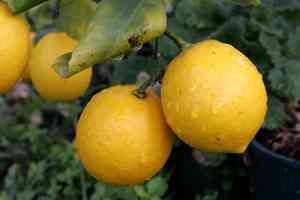
Distinguished by its lustrous green foliage and delicate white flowers, brush cherry is frequently cultivated as a compact shrub or modest tree. Consistent pruning preserves its form, stimulates denser development, and enhances air movement. Perform pruning in late winter prior to the surge of spring growth for peak outcomes, eliminating deceased or intersecting branches and reducing the density of the crown. This schedule facilitates swift recovery, lessening strain and vulnerability to ailments. For precise shaping, minor trimming can be performed throughout the year.
What Are the Benefits of Pruning Brush Cherry?
What Are the Benefits of Pruning Brush Cherry?
Trimming brush cherry promotes robust new growth and helps maintain its desired form. Regular cutting encourages a dense, full appearance and prevents excessive growth in garden areas.
What Is the Best Time for Pruning Brush Cherry?
What Is the Best Time for Pruning Brush Cherry?
Winter is the optimal time for pruning brush cherry as the plant enters dormancy, meaning its growth slows or stops. This period minimizes stress on brush cherry, as less energy is needed for active growth. Prune brush cherry before spring begins to shape the plant, remove dead or diseased wood, and encourage healthy growth and denser foliage for the upcoming season. Additionally, the absence of leaves makes the plant's structure more visible, allowing for more accurate cuts. Avoid pruning brush cherry during active growth or flowering to prevent disrupting its natural cycle and potential bloom or fruit production.
What Tools Do I Need to Prune Brush Cherry?
Hand Pruners
Perfect for making clean cuts on brush cherry's smaller branches and twigs; crucial for precise shaping and trimming.
Loppers
Useful for cutting through thicker brush cherry branches that hand pruners can't manage, offering greater leverage and reach.
Pruning Saw
Essential for removing large branches from brush cherry, ensuring clean cuts for healthy regrowth.
Hedge Shears
Beneficial for shaping brush cherry when used as a hedge, allowing for uniform and attractive lines.
Pole Pruner
Recommended for reaching higher brush cherry branches without a ladder, improving safety and convenience.
How to Prune Brush Cherry
Step1: Identifying Dead Wood
Locate dead wood on brush cherry by checking for dry branches, those lacking green tissue when lightly scraped, or showing no signs of buds or leaves.
Step2: Pruning Dead Branches
Using sharp, sanitized pruning shears, make clean, angled cuts on dead wood, 1/4 inch above a living bud or branch junction, ensuring not to harm healthy tissue.
Step3: Detecting Diseased Branches
Look for any diseased branches, which might appear discolored, have unusual growths, or show signs of infection. These must be removed to stop disease spread.
Step4: Removing Diseased Branches
Carefully remove diseased branches by cutting them back to healthy tissue, well below the affected area. Disinfect your shears after each cut to prevent contaminating healthy parts of brush cherry.
Step5: Locating Spent Flowers
Find spent flowers on brush cherry to encourage new growth and flower production. Spent flowers are those that have wilted, discolored, or are no longer visually appealing.
Step6: Pruning Spent Flowers
Prune spent flowers by cutting just above the first set of healthy leaves below the spent flower head, allowing brush cherry to direct energy into growth and new flower development.
Step7: Assessing Plant Shape
After removing dead wood, diseased branches, and spent flowers, step back to evaluate brush cherry's overall shape. Decide on the desired form and which healthy branches might need trimming to maintain it.
Step8: Shaping the Plant
Shape brush cherry by selectively pruning overgrown branches back to a side branch or bud that points in the desired direction for new growth, promoting a strong, balanced structure and air circulation.
Step9: Cleanup of Debris
Clear all trimmings from around brush cherry to prevent potential disease spread and maintain a neat growing area. Dispose of diseased material in the trash, not compost, to avoid contamination.
Step10: Post-Pruning Care
Water brush cherry after pruning to help reduce stress and aid recovery. Follow with proper care, including regular watering and fertilization to support healthy growth.
Post-Pruning Care for Brush Cherry
Post-Pruning Care for Brush Cherry
Immediately after pruning, water brush cherry thoroughly to alleviate stress. Position brush cherry in a spot with bright, indirect light and maintain moderate humidity to prevent leaf drying. Keep temperatures between 65-75°F. Apply a balanced fertilizer to encourage healthy regrowth, but only after new growth appears to avoid stressing the root system. Regularly check brush cherry for wilting or discolored leaves, which could signal stress or infection. If observed, review watering practices and check for pests. Promptly prune any diseased tissue.
Common Pruning Mistakes with Brush Cherry
Over-Pruning
Removing too much at once, which can stress brush cherry and potentially lead to poor health and reduced vigor.
Improper Tool Use
Using dull or dirty pruning tools, which can cause jagged cuts more vulnerable to pests and diseases.
Neglecting Inner Branch Thinning
Failing to thin out interior branches, leading to reduced air circulation and light penetration, both vital for brush cherry's overall health.
Incorrect Branch Cutting Technique
Cutting branches flush to the trunk, which can damage the collar and hinder proper healing, potentially inviting infections.
Purposeless Pruning
Pruning without a clear objective, such as shaping, removing dead wood, or controlling size, which can result in an unattractive plant with poor structure.
Common Pruning Tips for Brush Cherry
Proper Cut Angle and Position
Make clean cuts at a 45-degree angle just above an outward-facing bud to encourage outward growth and prevent water accumulation, which could lead to rot.
Removing Damaged Limbs
First, remove dead, diseased, or damaged branches to maintain brush cherry's health and appearance, cutting back to healthy tissue to promote healing.
Enhancing Canopy Airflow and Light
Thin out the canopy to improve air circulation and sunlight penetration, which helps prevent diseases and promotes a fuller shape and more blooms.
Using Sanitized, Sharp Tools
Use sharp, sanitized pruning shears or loppers to ensure precise cuts and minimize stress to brush cherry, sanitizing the tools before each use to prevent disease spread.
Gradual Size Reduction
Prune to maintain or reduce the size of brush cherry as needed, but avoid removing more than one-third of the plant at a time to avoid shock.
Natural Growth Habit Pruning
When shaping brush cherry, follow its natural growth habit for the most aesthetically pleasing result. Avoid excessive topping, which can lead to weak, spindly growth.
Post-Pruning Fertilization
After pruning, apply a balanced, slow-release fertilizer to support brush cherry's recovery and encourage vigorous growth.



