How to Propagate Brush cherry?
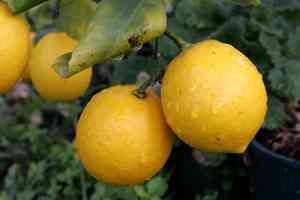
Brush cherry flourishes most effectively when propagated in the spring and summer seasons via cuttings. This propagation method is moderately straightforward, with successful outcomes evidenced by the emergence of new root development. Confirm that the cutting originates from a robust specimen and utilize a rooting substrate that offers good drainage.
Optimal Period for Brush Cherry Propagation
Propagation Method
Cutting
Propagation Period
Spring, Summer
Equipment for Brush Cherry Propagation
Sharp Pruning Shears
Pruning shears are vital for obtaining brush cherry cuttings. They must be sharp to ensure a clean incision that doesn't damage stem tissues, which could impede rooting. A precise cut aids in quicker callus formation and root development.
Rooting Hormone
Rooting hormone aids in the development of roots in brush cherry cuttings. It contains auxins that stimulate root growth and can greatly improve propagation success. Proper application to the cut end promotes faster, more uniform root initiation.
Sterile Potting Mix
A sterile potting mix ensures that brush cherry cuttings are placed in a pathogen-free substrate. This helps prevent fungal and bacterial growth that could kill young cuttings before they can root.
Propagation Tray
Propagation trays are essential for organizing multiple brush cherry cuttings in a controlled setting. They should feature drainage holes to prevent waterlogging and can be paired with a humidity dome to maintain high moisture levels around the cuttings.
Heat Mat
A heat mat gently warms the substrate, which can stimulate root growth in brush cherry cuttings. Consistent bottom heat ensures the temperature remains ideal for rooting, especially in cooler climates or during colder months.
Humidity Dome
A humidity dome covers the propagation tray to maintain high humidity. This mimics a greenhouse environment, reducing water loss through transpiration and preventing delicate brush cherry cuttings from drying out before they root.
How to Propagate Brush Cherry?
Propagation Method
Cutting
Difficulty Level
Moderately Challenging
Post-Propagation Care for Brush Cherry
Post-Propagation Care for Brush Cherry
Following propagation, continue to provide consistent care to ensure the healthy development of brush cherry. Keep the soil moist but not waterlogged, and position the plant in a spot receiving bright, indirect light. As brush cherry is susceptible to both drought and excessive moisture, ensure proper drainage and avoid letting the plant sit in water. Fertilize with a balanced, slow-release fertilizer according to the manufacturer's directions to support new growth. Prune brush cherry as needed to maintain its form and size, which can also encourage denser growth. Monitor for pests and diseases and address them promptly.
Common Errors to Avoid When Propagating Brush Cherry
Insufficient sterilization
Using unsterilized tools can introduce pathogens to brush cherry cuttings, hindering their ability to root and potentially leading to disease.
Incorrect cutting size
Taking cuttings that are too small or too large can impede root development in brush cherry; small cuttings lack sufficient energy reserves, while large cuttings are more prone to rot.
Excessive watering
Overwatering brush cherry cuttings creates a damp environment that can promote fungal growth, potentially leading to root rot and reduced chances of successful propagation.
Ignoring node presence
Cuttings must include a node, as this is where root formation is most likely to occur. Overlooking this can result in cuttings that fail to root.
Planting depth
Planting brush cherry cuttings too deeply can suffocate developing roots, while too shallow a planting can lead to desiccation and poor root development.
Advice for Propagating Brush Cherry
Humidity maintenance
Maintaining high humidity around brush cherry cuttings supports moisture retention in the foliage, which is crucial for survival until roots develop.
Rooting hormone application
Utilizing a rooting hormone can significantly boost rooting success in brush cherry by encouraging faster and more robust root growth.
Medium selection
Choosing an appropriate propagation medium that is light, well-draining, and sterile can promote better aeration and moisture balance essential for brush cherry root development.
Indirect sunlight
Providing bright, indirect sunlight ensures that brush cherry cuttings receive the necessary light for photosynthesis without the stress of direct sun that can cause leaf burn.
Monitoring for pests
Regularly checking brush cherry for signs of pests and disease allows for early intervention, increasing the likelihood of successful propagation.



