How to Transplant Candyleaf?
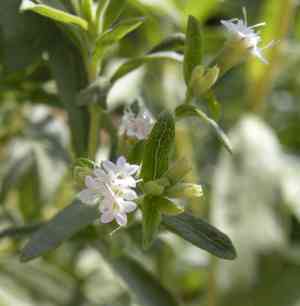
The optimal period for relocating candyleaf spans from the middle to the end of summer, or from late autumn to early winter, facilitating prime development and rooting. Candyleaf flourishes in bright, adequately drained environments. A helpful suggestion: moving youthful, robust specimens can boost successful outcomes.
What Preparations are Needed Before Transplanting Candyleaf?
What is the Ideal Time for Transplanting Candyleaf?
The optimal period for moving candyleaf spans from mid-summer to late summer, and from late autumn to the start of winter. This timing provides candyleaf with an excellent beginning, as the soil is sufficiently warm for root establishment before colder weather arrives. A helpful tip: precise timing boosts candyleaf's chances of survival and thriving, leading to a flourishing garden favorite!
How Much Space Should You Leave Between Candyleaf Plants?
To ensure your candyleaf plants have ample room to develop, aim for a spacing of approximately 12-24 inches (30-60 cm) between them. This will allow them sufficient area to flourish and reach their full potential.
What is the Best Soil Mix for Candyleaf Transplanting?
For optimal outcomes, place your candyleaf in soil that drains well, is loamy, and rich in organic matter. Prior to transplanting, incorporate some compost or aged manure into the soil; this will supply the essential nutrients for your plants to thrive.
Where Should You Relocate Your Candyleaf?
Select a sunny location in your garden for transplanting your candyleaf. They prefer full sun but can endure some shade. Providing 6-8 hours of daily sunlight will ensure your plants' best growth and health.
What Equipments Should You Prepare Before Transplantation Candyleaf?
Gardening Gloves
To safeguard your hands when handling the soil and the candyleaf plant.
Spade or Shovel
Utilized for excavating the plant from its initial spot and creating a new cavity for it.
Trowel
For precise and gentle refilling of soil around the plant.
Watering Can
To hydrate the plant before and after its relocation.
Mulch
To aid in retaining moisture around your plant following transplantation.
Stake and twine (if plant is mature)
To offer additional support to the candyleaf during the initial weeks post-transplant. Ensure the stake is robust enough to withstand winds and the plant's weight.
How Do You Remove Candyleaf from the Soil?
How Do You Remove Candyleaf from the Soil?
From Ground: You'll need to water your candyleaf plant before extracting it from its original spot. This loosens the soil, making it easier to work with. Dig a trench around the plant, maintaining a safe distance to keep the root ball intact. Gradually work your spade or shovel beneath the root ball, lifting the plant carefully.From Pot: Start by watering the candyleaf. With gloved hands, slowly turn the pot on its side, keeping your hand over the soil at the plant's base. Gently press the pot's sides to loosen it, then slide the candyleaf out, preserving as much soil around the roots as possible.From Seedling Tray: Water the tray first, then allow a moment for the water to absorb. Next, use a trowel or your hands to carefully scoop out the candyleaf seedlings, attempting to keep as much soil attached to the roots as you can.
Step-by-Step Guide for Transplanting Candyleaf
Preparation
First, get the new planting area ready. The hole should be twice as wide as the candyleaf's root ball and deep enough so it's planted at the same level as it was originally.
Placing
Carefully position the candyleaf into the new hole. Ensure it's centered and the top of the root ball is even with the surrounding ground.
Backfilling
Gently refill the area around the candyleaf, lightly firming the soil with your hands to eliminate any air pockets.
Watering
Thoroughly water your candyleaf after planting. The water should penetrate deep into the soil to encourage strong root development.
Mulching
Spread a layer of organic mulch around the base of your candyleaf, avoiding direct contact with the stem. This will help conserve moisture and prevent weeds.
How Do You Care For Candyleaf After Transplanting?
Watering
Following transplantation, candyleaf will require frequent watering, especially during hot weather. However, avoid excessive watering as this can lead to root decay.
Pest Control
Regularly check your candyleaf for any indications of pests or diseases. If any such signs are detected, consider using an organic pesticide or fungicide.
Pruning
Pruning benefits candyleaf by promoting denser growth. Remove any dead or dying leaves to allow the plant to direct energy towards new development.
Troubleshooting Common Issues with Candyleaf Transplantation.
What's the ideal time of the year for transplanting candyleaf?
The best times for relocating candyleaf are from mid-summer to late summer, and from late fall to early winter.
How do I prepare the transplant hole for candyleaf?
Dig a hole suitable for the candyleaf's root ball. It should be 12-24 inches (30-60 cm) from other plants for adequate growth.
Should candyleaf be watered before transplantation?
Candyleaf should be thoroughly watered a few hours prior to transplanting to facilitate removal and lessen transplant shock.
What care measures should I follow immediately after transplanting candyleaf?
Water candyleaf gently and ensure the soil is well-drained to prevent waterlogging, which can harm the roots.
What's the right planting depth for candyleaf?
Plant candyleaf so that the top of its root ball is level with the soil surface. Planting too deep might suffocate it, while too shallow could dry out the roots.
Should I trim candyleaf after transplanting it?
It's advisable to lightly trim candyleaf's growth after transplanting to reduce moisture loss through transpiration, helping it establish faster.
Is mulching necessary after the transplantation of candyleaf?
Applying mulch after transplanting candyleaf can help the soil retain moisture, suppress weeds, and maintain soil temperature.
How often should candyleaf be watered post-transplantation?
Generally, candyleaf should be well-watered for the first week, followed by regular watering as the top 1 inch (2.5 cm) of soil dries out.
Should candyleaf be fertilised after transplantation?
Avoid fertilizing candyleaf immediately after transplanting. Wait a couple of weeks for the plant to settle, then apply a balanced plant food.
What to do if my newly transplanted candyleaf is showing signs of stress (like wilting)?
Ensure candyleaf is adequately watered but not waterlogged. Protect it from direct sunlight and strong winds until it recovers from transplantation stress.



