How to Prune Candyleaf?
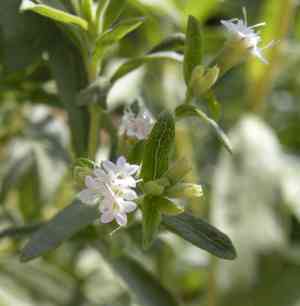
Originating from South America, candyleaf is a perennial herb known for its sweet foliage, utilized as a sugar alternative. To foster a denser growth habit, trim candyleaf by nipping the ends, particularly for elongated stalks. The ideal period for this trimming extends from early spring through late summer, coinciding with the plant's vigorous development phase. Consistent trimming enhances leaf output, crucial for its sweetness, and improves air movement, thereby lowering the chances of illness.
What Are the Benefits of Pruning Candyleaf?
What Are the Benefits of Pruning Candyleaf?
Trimming candyleaf promotes more vigorous and dense development, fostering a compact form. This practice improves light penetration and air circulation, ultimately resulting in a healthier and more robustly growing plant.
What Is the Best Time for Pruning Candyleaf?
What Is the Best Time for Pruning Candyleaf?
Early spring is the optimal period to begin pruning candyleaf as the plant emerges from dormancy, and the danger of frost has passed. Pruning at this time stimulates new growth, aiding the plant in developing a strong structure and increasing its leaf yield, which is advantageous since the leaves are the primary source of sweetness and are harvested. As candyleaf actively grows during warmer months, light trimming throughout late spring and summer can help maintain its shape, encourage denser growth, and prevent it from becoming leggy. It's crucial to avoid heavy pruning late in the season, as this can trigger new growth that may not harden off before colder temperatures arrive in the fall, potentially harming the plant.
What Tools Do I Need to Prune Candyleaf?
Hand Pruners
Perfect for making precise cuts on candyleaf, hand pruners are indispensable. They can easily snip through the plantâs slender stems without causing unnecessary harm.
Pruning Shears
Also known as clippers, suitable for shaping candyleaf or for harvesting. Their sharp blades ensure clean cuts, promoting healthy regrowth.
Gardening Gloves
Though not a cutting tool, gloves are vital for protecting the gardenerâs hands from potential irritants or minor scrapes that could occur while pruning candyleaf.
Pruning Snips
These are designed for delicate, detailed work and are ideal for deadheading or trimming candyleaf's small leaves and fine stems.
How to Prune Candyleaf
Step1: Timing Pruning for Plant Growth Cycles
Determine the appropriate time for pruning candyleaf by observing its life cycle. Pruning is best done in spring before new growth starts or after the initial leaf harvest, typically in summer.
Step2: Sterilize Pruning Tools
Disinfect all pruning tools with a solution of 1 part bleach to 9 parts water to prevent the spread of diseases.
Step3: Remove Dead Stems with Protective Gear
Wear protective gloves to prevent irritation or injury to hands and begin by removing dead stems. Cut these stems at the base of the plant using sharp, clean shears.
Step4: Trim Overgrown Stems for Better Light and Air
Proceed to overgrown stems, which can hinder air circulation and light penetration. Trim these stems back to just above a leaf node, cutting at a 45-degree angle to encourage new growth.
Step5: Cut Off Yellowing Leaves for Plant Health
Identify yellowing leaves, which may indicate aging or stress. Remove these leaves by cutting them at their base, close to the stem, to keep candyleaf neat and healthy.
Step6: Shape Plant and Enhance Air Circulation
Shape candyleaf by evenly trimming around the plant to maintain its desired form and size, focusing on creating an open center to improve air circulation.
Step7: Cleanup Post-Pruning Debris
After trimming, clear away all debris from around the base of candyleaf to prevent any potential for disease or pests.
Step8: Water Plant to Mitigate Pruning Stress
Water candyleaf thoroughly after pruning to help reduce stress on the plant and promote recovery.
Step9: Maintain Plant Post-Pruning with Care
Monitor candyleaf over the next several weeks, providing regular water and fertilizer to support new growth and maintain plant health.
Post-Pruning Care for Candyleaf
Post-Pruning Care for Candyleaf
After trimming candyleaf, immediately water the soil to aid recovery. Ensure optimal conditions with partial sunlight, maintaining a humid environment and a temperature range between 59-86°F. Apply a balanced, diluted fertilizer to replenish nutrients. Regularly inspect candyleaf for wilting or discoloration, indicative of stress or infection, and take corrective action by adjusting care or applying organic fungicides if needed. Consistent monitoring and gentle care are crucial for candyleaf's post-pruning revival.
Common Pruning Mistakes with Candyleaf
Excessive Pruning Stresses Plants
Trimming too much at once, which can stress candyleaf and lead to poor growth or damage.
Jagged Cuts from Dull Tools Harm Plants
Using dull or dirty pruning tools, which can cause jagged cuts and introduce diseases to candyleaf.
Indiscriminate Healthy Growth Removal Harms Photosynthesis
Removing healthy growth without discretion, which can reduce the plant's photosynthetic capability and impact its overall health.
Neglected Pruning Leads to Leggy, Weak Stems
Failing to prune or pinch back candyleaf, resulting in leggy and weak stems that may not support the weight of the leaves and flowers.
Improper Pruning Can Distort Natural Growth
Not considering the plantâs growth pattern when pruning, which can lead to an unnatural shape and reduced production of leaves and flowers.
Common Pruning Tips for Candyleaf
Sharp, Clean Shears Promote Quick Healing
Use sharp, clean pruning shears to make precise cuts on candyleaf, which helps the plant to heal quickly and reduces the risk of disease.
Pinching Tips Encourages Bushier Growth
Prune or pinch back the tips of candyleaf to encourage denser growth and prevent legginess. This will also help to stimulate the development of more leaves, which are the source of its sweetness.
Remove Dead Branches to Enhance Plant Health
Focus on removing only the dead or damaged branches, which will improve air circulation and light penetration, benefiting candyleaf's overall health.
Prune Thin Stems to Strengthen Plant
Regularly inspect candyleaf and prune out any thin, spindly stems to redirect energy to the stronger, more productive parts of the plant.
Prune for Optimal Light Exposure and Leaf Production
When pruning, aim to maintain a shape that maximizes light exposure to all parts of candyleaf, which can enhance leaf production and quality.



