Enhancing Your Garden Design with the Candyleaf Plant: A Landscaping Guide
1
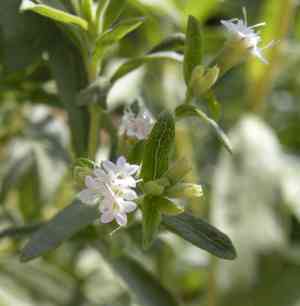
Candyleaf offers a distinct visual charm through its lively green leaves and subtle white blossoms.
2
Candyleaf contributes to ecological diversity by drawing in helpful insects and pollinating creatures.
3
Appropriate positioning and upkeep of Candyleaf can improve your garden's general well-being and beauty.
Exploring Candyleaf's Visual Contribution to Garden Settings
Discover Candyleaf's distinct aesthetic appeal
Incorporating Candyleaf into your garden can visually transform the area, lending an exotic flair due to its unique physical traits. Its vibrant green foliage stands out among other plants, while its small, white blossoms add a delicate charm, fostering an inviting and balanced garden atmosphere. Candyleaf's aesthetic qualities make it ideal for focal points or filling gaps in your garden design, offering both visual interest and a sense of equilibrium.
Examine the color and texture contrasts offered by Candyleaf
Candyleaf provides excellent color contrast against darker foliage and other vivid flower hues in your garden. This contrast can heighten the visual complexity and depth of your landscape, making it feel more dynamic and engaging. Furthermore, the texture of Candyleaf's leaves offers appealing variety, contributing to a more tactile and visually stimulating environment. These combined elements ensure Candyleaf not only fits but also stands out, making your garden more captivating and enjoyable.
Advantages of Incorporating Candyleaf into Your Landscape
Highlight the ecological services provided by Candyleaf
Candyleaf is more than just an attractive plant; it offers valuable ecological services. It supports soil health by preventing erosion and contributing organic matter as its leaves decay. Additionally, Candyleaf can improve air quality by absorbing pollutants and releasing oxygen. These ecological services enhance your garden's sustainability and health, making Candyleaf a beneficial addition beyond its visual charm.
Discuss how Candyleaf promotes biodiversity
Integrating Candyleaf into your garden fosters biodiversity. The plant attracts beneficial insects, including pollinators like bees and butterflies, which are crucial for the health of many other plants. The presence of these pollinators ensures your garden thrives, with plants effectively producing seeds and fruits. By supporting these vital species, Candyleaf helps create a balanced and diverse garden ecosystem.
Design Concepts for Integrating Candyleaf into Various Garden Styles
Suggest placement in informal cottage gardens
In a cottage garden, Candyleaf can be a delightful addition. Its informal, natural appearance perfectly suits the relaxed, romantic style of cottage gardening. You can plant Candyleaf alongside other flowering plants, allowing it to contribute to the garden's overall abundance and diversity. It works well as a border plant or nestled among taller perennials, creating a layered and lush plant community.
Recommendations for structured formal garden settings
In a formal garden, Candyleaf can serve as a striking accent plant. Its uniform growth habit and neat foliage allow it to complement the structured lines and symmetry of a formal garden. You can use Candyleaf in geometric plantings or as part of a color-coordinated scheme, where its green foliage and white flowers can enhance the overall design. Whether as a standalone feature or integrated into complex patterns, Candyleaf adds elegance and a fresh look to a formal setting.
Ideal Companions: What to Plant Alongside Candyleaf
Best companion plants for Candyleaf
Selecting the right companion plants for Candyleaf can boost its growth and the overall appearance of your garden. Good companions include herbs like sage and thyme, which thrive in similar conditions and can aesthetically complement Candyleaf. Flowering plants such as marigolds and zinnias offer a vivid color contrast while supporting the pollinator population attracted by Candyleaf. These companions can help create a harmonious and flourishing garden ecosystem.
Understand the cooperative relationships between Candyleaf and other garden species
Planting Candyleaf alongside species with complementary growth habits and needs can create synergies, leading to a healthier and more productive garden. For instance, planting Candyleaf near legumes can improve soil nitrogen levels, benefiting both plants. Additionally, pairing Candyleaf with ground-cover plants can help retain soil moisture and provide shade, creating a microclimate that supports its growth. Understanding these cooperative relationships allows for strategic planting decisions that benefit your entire garden.
Candyleaf Care in Diverse Climates
Tips for managing Candyleaf in cold environments
In colder climates, Candyleaf requires specific care to thrive. During winter months, protect Candyleaf with mulch to insulate its roots from freezing temperatures. Alternatively, consider growing Candyleaf in containers that can be moved indoors during frosts. Providing adequate sunlight during the shorter winter days is crucial, so place potted plants near bright windows or use grow lights. By following these tips, you can ensure Candyleaf survives and continues to enhance your garden even in cold regions.
Advice for flourishing Candyleaf in warmer environments
In warmer climates, Candyleaf can thrive with proper care. Ensure the plant receives sufficient water, especially during hot and dry periods, while avoiding waterlogged soil. Mulching around the plant's base can help retain soil moisture and keep roots cool. Provide some afternoon shade if the summer sun is particularly intense. With appropriate watering and sun management, Candyleaf can flourish, adding beauty and interest to your garden throughout the year.



