How to Transplant Organ pipe cactus?
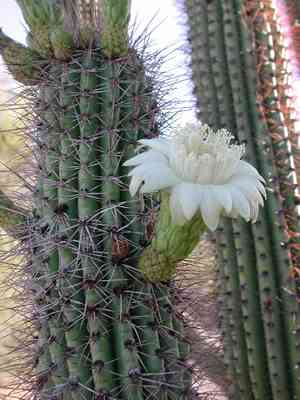
The more temperate conditions of fall provide an ideal opportunity for relocating organ pipe cactus, minimizing shock and fostering robust root development. Select a bright, adequately draining location for optimal results, and only provide additional bracing if the cactus exhibits indications of precariousness.
What Preparations are Needed Before Transplanting Organ Pipe Cactus?
What is the Ideal Time for Transplanting Organ Pipe Cactus?
The optimal period for relocating organ pipe cactus is autumn, providing milder temperatures that promote root establishment without the stress of extreme heat. Moving organ pipe cactus during this calm season ensures a smooth transition, allowing roots to comfortably settle in their new home before the vigor of spring growth. With autumn transplanting, organ pipe cactus benefits from the soil's lingering warmth, which aids root development, thus increasing its chances of thriving post-transplant. Helpful advice â ensure your organ pipe cactus has been prepared with well-hydrated soil and is initially shielded from harsh sun!
How Much Space Should You Leave Between Organ Pipe Cactus Plants?
When transplanting organ pipe cactus, remember they require room to expand. Aim for a transplant distance of approximately 4-6 feet (1.2-1.8 meters). This will enable your plant to grow and flourish without competing for resources.
What is the Best Soil Mix for Organ Pipe Cactus Transplanting?
For organ pipe cactus, well-draining soil is essential! Incorporate a base of cactus or succulent potting mix, which is typically sand-based. This will ensure your plant receives the correct nutrients and avoids waterlogging. A slow-release fertilizer can also provide an excellent start!
Where Should You Relocate Your Organ Pipe Cactus?
Select a sunny spot for organ pipe cactus. These plants love to absorb sunlight. Ideally, seek a location that receives ample direct sunlight, but can tolerate some partial shade. This will safeguard your plant during intense, midday sun.
What Equipments Should You Prepare Before Transplantation Organ Pipe Cactus?
Gardening Gloves
To safeguard your hands from the cactus's sharp spines during handling and transplanting.
Shovel or Spade
Crucial for excavating around organ pipe cactus's roots when removing it from its original spot and for creating a new hole in the ground.
Garden Trowel
Useful for smaller digging tasks such as compacting the soil around the plant's base.
Watering Can or Hose
To hydrate the cactus before and after the transplant.
Cactus Potting Mix
Enhances the soil and supplies necessary nutrients for the cactus.
Wheelbarrow or Bucket
To transport the cactus safely from its initial location to the new one.
Root Pruning Shears
To trim the cactus's roots if needed.
Heavy Duty Gardening Apron
To protect your clothing from becoming soiled.
How Do You Remove Organ Pipe Cactus from the Soil?
How Do You Remove Organ Pipe Cactus from the Soil?
From Ground: Begin by thoroughly moistening the soil surrounding the organ pipe cactus. Then, use a shovel or spade to dig a circle around the plant. The circle should be wide enough to accommodate the root system without causing damage. Gently lift the plant, taking extreme care not to injure the root ball.From Pot: If your organ pipe cactus is potted, start by watering the soil and carefully tilting the pot sideways. Support the plant's base with your other hand. Gently twist and pull the pot off. Avoid yanking, as you want to prevent root damage.From Seedling Tray: It's best to slide a thin spatula beneath the root ball to lift it out, causing minimal disturbance to the roots.
Step-by-Step Guide for Transplanting Organ Pipe Cactus
Prep Work
Ensure the new transplant site is prepared before you extract the organ pipe cactus from its original location. Dig a hole that is twice as wide as the cactus's root ball and have cactus potting mix ready.
Removal
Follow the removal procedure described above with care.
Transplantation
Place the cactus into the hole you've prepared, gently spreading out the roots. Fill the hole with cactus potting mix, making sure the cactus's base is at soil level.
Securing
Gently pat down the soil around the base using a garden trowel. This eliminates air pockets and helps the cactus remain upright.
First Watering
Gently water the area around the cactus to settle the soil, but be careful not to over-water. Cacti prefer a drier environment.
How Do You Care For Organ Pipe Cactus After Transplanting?
Root Establishment
Allow the organ pipe cactus a few days to establish before re-watering. This will give the plant some time to recover from the shock of the move.
Protect Against Sunlight
For the initial couple of weeks after transplanting, you should shield the cactus from intense direct sunlight that could lead to sunburn.
Check for Pests
Regularly inspect the organ pipe cactus for indications of pests or diseases. Early detection can ensure healthier growth post-transplant. Arid-loving pests could exploit the cactus while its defenses are weakened post-transplant, so remain vigilant.
Support
If the organ pipe cactus is a tall cactus, it may require some physical support to prevent it from toppling over while the roots establish.
Troubleshooting Common Issues with Organ Pipe Cactus Transplantation.
When is the best time to transplant my organ pipe cactus?
The optimal time to transplant your organ pipe cactus is between growing season 7 and 9, which corresponds with late winter and spring. This allows the plant ample time to establish its roots before the hot summer arrives.
What's the ideal spacing to maintain while transplanting multiple organ pipe cactus together?
When transplanting organ pipe cactus, ensure to provide a gap of about 4-6 feet (1.2-1.8 meters) between each plant. This ensures they have enough space to grow without overlapping.
How should I prepare the soil before transplanting organ pipe cactus?
For organ pipe cactus, prepare a well-draining soil rich in organic matter. Make sure the planting hole is large enough to accommodate the root ball. Adding coarse sand or small gravel can enhance drainage.
How deep should I plant my organ pipe cactus?
You should plant your organ pipe cactus at the same depth it was growing in its previous location. This prevents stem rot and allows the plant to establish quicker.
How often should I water my organ pipe cactus after transplanting?
Organ pipe cactus is a desert plant, so it favors the 'soak and dry' watering method. After transplantation, water thoroughly once and then wait until the soil is completely dry before water again.
What to do if my organ pipe cactus shows wilting or yellowing after transplanting?
If your organ pipe cactus starts to wilt or turn yellow after transplanting, it may be experiencing transplant shock. Avoid overwatering and make sure the plant is getting good sun exposure without getting scorched.
Should I prune my organ pipe cactus before or after transplanting?
It's better to prune your organ pipe cactus after transplantation. This allows you to see how the plant settles into its new location and then you can remove any parts that aren't thriving.
Can I transplant my organ pipe cactus during its flowering stage?
Transplanting organ pipe cactus during flowering period might put extra stress on the plant. It's advised to transplant before flowering, between season 7 to 9, to ensure optimum growth.
How to care for organ pipe cactus after transplanting if a frost is expected?
If frost is forecasted after transplanting your organ pipe cactus, protect the plant using a frost cloth or moving it indoors if possible. Uninterrupted exposure to frost could damage the plant.
What type of fertilizers work best for organ pipe cactus after transplanting?
Organ pipe cactus generally doesnât require much fertilization. However, you might opt for a low-nitrogen, slow-release fertilizer. Always follow package instructions to avoid over-fertilization.



