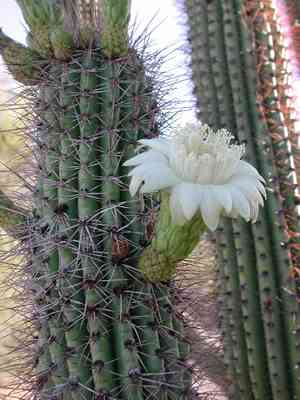
Organ pipe cactus (Stenocereus thurberi)
Also known as: Pitahaya
In Mexico, Stenocereus thurberi is commonly known as "pitaya dulce" or sweet cactus fruit. This cactus species thrives in rocky desert regions and lends its name to the Organ Pipe Cactus National Monument in Arizona, USA.
Attributes of Organ pipe cactus
Images of Organ pipe cactus
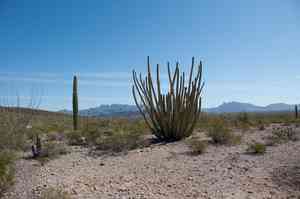
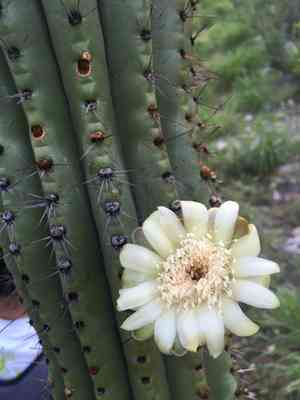
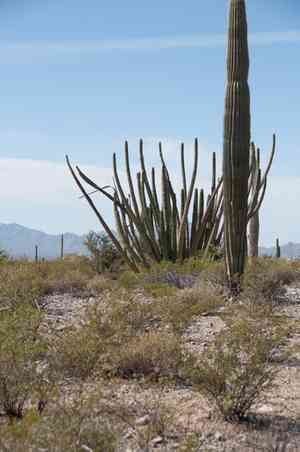
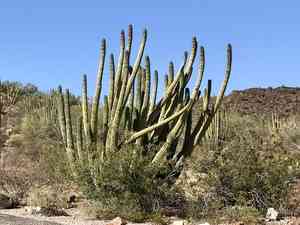
Quickly Identify Organ pipe cactus
Scientific Classification of Organ pipe cactus
Planting and Growing of Organ pipe cactus
 How to Water Organ pipe cactus?
 What Are the Sunlight Requirements for Organ pipe cactus?
 What Is the Ideal Temperature Range for Organ pipe cactus?
 What Soil is Best for Organ pipe cactus?
 How to Fertilize Organ pipe cactus?
 How to Prune Organ pipe cactus?
 How to Propagate Organ pipe cactus plant?
 How to Repot Organ pipe cactus plant?
Toxicity of Organ pipe cactus
Is Organ pipe cactus toxic to humans?
While the organ pipe cactus itself is not toxic, it closely resembles the toxic San Pedro cactus, making it difficult for even local residents to distinguish between the two. Therefore, it is essential to keep children away from this plant. The San Pedro cactus can induce symptoms such as vomiting, hallucinations, and even more severe reactions, so consuming any part of the organ pipe cactus poses unnecessary risks. Moreover, this cactus has sharp thorns that necessitate wearing thick gloves and protective clothing when handling it. Unfortunately, its fruits are visually appealing and emit a pleasant fragrance, which can attract children, susceptible to being pricked. A serious injury from organ pipe cactus spines requires medical attention. In case of any potential exposure to the San Pedro cactus, particularly with symptoms like nausea and altered mental states, an immediate visit to the emergency room is crucial.



