Enhancing Your Garden Design with the Organ pipe cactus Plant: A Landscaping Guide
1
The Organ pipe cactus is recognized for its impressive structural form, capable of enhancing the aesthetic appeal of any outdoor space.
2
Organ pipe cactus exhibits strong drought tolerance, making it an ideal selection for xeriscaping.
3
Cultivating Organ pipe cactus helps local fauna, offering refuge and sustenance to avian species and insects.
Introducing Organ pipe cactus to Your Outdoor Space
Why select Organ pipe cactus for garden design?
If you're seeking a distinctive plant to elevate your outdoor area, Organ pipe cactus could be the ideal selection. Renowned for its striking appearance, Organ pipe cactus stands out with its upright form, effortlessly creating a central point in gardens. Furthermore, Organ pipe cactus is remarkably drought-tolerant, needing little water once established. This not only saves water but also lessens upkeep, making it an environmentally friendly option.
Key visual characteristics of Organ pipe cactus
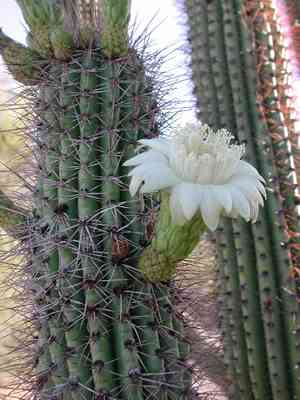
The impressive visual appeal of Organ pipe cactus is unmistakable. Its tall, ridged stems can reach considerable heights, often branching from the base, giving it a unique look. The plant displays a rich green hue, occasionally highlighted with white when blooming, adding to its exotic charm. The spines lining the ribs of Organ pipe cactus not only act as a defense but also contribute to its textured beauty, making it a prominent feature in any landscape plan.
Design Concepts with Organ pipe cactus
Creating focal points using Organ pipe cactus
One of the best applications for Organ pipe cactus in your landscape is as a central feature. Due to its imposing stature and distinctive shape, Organ pipe cactus naturally captures attention. You can position it as a standalone element in the middle of a garden bed or at the end of a path. Pairing it with shorter shrubs or ground cover plants can amplify its visual impact. Placing Organ pipe cactus in a prominent spot can introduce depth and dimension to your landscape design.
Integrating Organ pipe cactus with other plants
When considering combining Organ pipe cactus with other flora, contemplate contrasting textures and heights. Match it with low-water succulents, decorative grasses, or perennial flowers that thrive in similar conditions. The contrast between the tall, spiny Organ pipe cactus and the softer textures of companion plants creates a harmonious and visually pleasing garden. These pairings not only enhance the beauty of each plant but also ensure all elements share similar care needs, simplifying garden maintenance.
Theming your garden around Organ pipe cactus
Themed gardens offer a wonderful way to feature Organ pipe cactus. Consider developing a desert or southwestern-inspired garden where Organ pipe cactus can flourish alongside other cacti, agaves, and yuccas. Utilizing gravel or sand as mulch can further reinforce this theme, mimicking the plant's natural environment. Accents like rustic containers, stones, and garden sculptures can complement the theme and add character to your space. Theming your garden around Organ pipe cactus can transport you to a different setting, all within your home's boundaries.
Care Guidelines for Organ pipe cactus in Gardens
Seasonal maintenance for Organ pipe cactus
Seasonal care for Organ pipe cactus is quite straightforward. During spring and summer, ensure it receives ample sunlight, as this is its active growth period. Water sparingly, allowing the soil to completely dry out between waterings. In colder months, reduce irrigation further to prevent root rot. If you reside in a region with frost, consider providing protection or moving containerized plants to a sheltered spot, as extreme cold can harm Organ pipe cactus. Fertilizing once annually in spring with a cactus-specific feed can also promote healthy development.
Placement of Organ pipe cactus for optimal growth
Proper placement of Organ pipe cactus is vital for its health and development. Ensure it is planted in an area that receives full sun for most of the dayâat least six hours. The soil must be well-draining to prevent waterlogging, which can lead to decay. If planting in a pot, use a cactus mix or sandy soil to aid drainage. Confirm the container has drainage holes. Organ pipe cactus should also be adequately spaced from other plants to allow air circulation and prevent overcrowding.
Environmental Advantages of Incorporating Organ pipe cactus in Landscapes
Drought tolerance and water conservation
One of the primary environmental benefits of Organ pipe cactus is its ability to withstand drought. In an era where water preservation is crucial, selecting plants like Organ pipe cactus that require minimal water is both practical and ecologically sound. Once established, Organ pipe cactus thrives on natural rainfall, lessening the need for supplementary watering. This can significantly decrease your water consumption and contribute to conservation efforts, particularly in arid regions.
Supporting local wildlife with Organ pipe cactus
Including Organ pipe cactus in your landscape can also benefit local fauna. The blooms of Organ pipe cactus attract pollinators such as bees and hummingbirds, contributing to the health of the local ecosystem. Moreover, the structure of Organ pipe cactus offers refuge for various insects and small birds. By planting Organ pipe cactus, you not only enhance the biodiversity of your garden but also create a supportive habitat for local wildlife, fostering a healthier and more balanced environment.



