How to Propagate Organ pipe cactus?
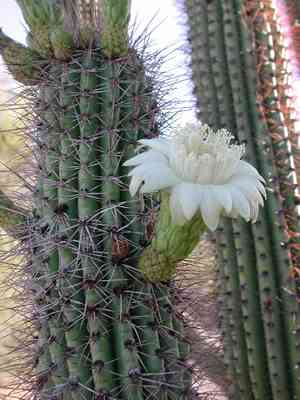
Organ pipe cactus reproduces most effectively by planting seeds in the springtime. Its propagation presents a moderate level of challenge. The emergence of new shoots and the development of roots indicate successful propagation. Providing a growing medium with excellent drainage is essential for achieving successful propagation.
Optimal Time for Organ Pipe Cactus Propagation
Propagation Method
Seeding
Propagation Period
Spring
Tools Required for Organ Pipe Cactus Propagation
Sterile seed-starting mix
This soil-free medium offers a clean environment to minimize fungal and bacterial infection risks, crucial for organ pipe cactus's seeds needing a sterile, well-draining substrate for better germination.
Seed tray with drainage holes
These trays allow excess water to escape from organ pipe cactus' seeds, preventing root rot and promoting air circulation, which is vital for early seedling development.
Misting bottle
Offers a gentle method to keep organ pipe cactus's seeds and seedlings moist without disturbing the soil or causing erosion, thus ensuring consistent moisture levels for seed germination.
Heat mat
Provides consistent warmth from below, beneficial for organ pipe cactus seed germination as it maintains an ideal soil temperature, encouraging quicker and more uniform seed sprouting.
Grow lights
Supplement natural light to give organ pipe cactus seedlings the full spectrum of light needed for photosynthesis, especially important when indoor lighting is insufficient.
Tweezers
Enable precise handling and placement of organ pipe cactus's seeds without damage or contamination from finger oils and dirt, necessary for accurate spacing when planting tiny seeds.
How to Propagate Organ Pipe Cactus?
Propagation Type
Sowing
Difficulty Level
Simple
Caring for Your Newly Propagated Organ Pipe Cactus
Caring for Your Newly Propagated Organ Pipe Cactus
Post-propagation, continue to provide organ pipe cactus with well-draining soil and pots featuring drainage holes. Position the plant in a spot with ample indirect sunlight and some direct morning sun. Water organ pipe cactus sparingly, allowing the soil to completely dry between waterings. During the active growth period, from spring through summer, water more frequently but still permit the soil to dry out. In fall and winter, reduce watering as the plant enters dormancy. Shield organ pipe cactus from frost and extreme cold, as it is susceptible to low temperatures.
Common Errors to Avoid When Propagating Organ Pipe Cactus
Overwatering
Supplying too much water to organ pipe cactus cuttings can lead to rot, particularly in the initial rooting phases. This can severely hinder the cutting's ability to establish roots and ultimately cause its decay.
Planting too deep
Organ pipe cactus cuttings placed too deeply in the substrate can suffer from insufficient oxygen and excessive moisture, resulting in rot and reduced chances of successful rooting.
Ignoring cleanliness
Failing to sterilize tools or pots used for propagating organ pipe cactus can introduce harmful pathogens, potentially leading to infections in the cuttings.
Overcrowding
Placing organ pipe cactus cuttings too close together can decrease air circulation, increasing the risk of fungal diseases and potentially leading to propagation failure.
Tips For Propagating Organ Pipe Cactus
Proper cutting
Ensure each organ pipe cactus cutting has a clean, angled cut to maximize the surface area for root development and help prevent disease from entering the cutting.
Drying cuttings
Allowing the cut end of an organ pipe cactus cutting to dry and form a callus for several days before planting helps prevent rot when the cutting is placed into the growing medium.
Right substrate
Using a well-draining cactus mix or sandy substrate is crucial for organ pipe cactus as it mimics their natural environment and prevents water retention around the cuttings.
Indirect light
Providing organ pipe cactus cuttings with indirect sunlight is essential since direct, intense light can cause stress and burn the delicate new growth.



