The Organ pipe cactus Plant Advantage: Maximizing Home and Office Appeal and Wellness
1
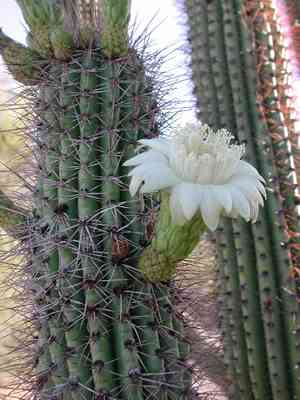
The organ pipe cactus is prized for its decorative appeal and impressive look.
2
This hardy plant flourishes in dry climates, simplifying its upkeep.
3
Its fruit serves as a customary food source in numerous desert societies.
What Makes the Organ pipe cactus Unique?
Visual Allure
The Organ pipe cactus is renowned for its visually striking appearance. Its tall, columnar branches extending from a central stem make it a captivating addition to any environment. The distinctive look of this plant makes it a popular choice for decorative landscaping, bringing an exotic flair to gardens and outdoor areas.
Hardiness and Adaptability
One of the most remarkable traits of the Organ pipe cactus is its capacity to flourish in dry climates. The plant's structure and physiology enable it to conserve water, making it an excellent option for xeriscaping and for those seeking plants that require little maintenance. Its versatility extends to various soil types and conditions, increasing its appeal to gardeners and landscapers.
Practical Applications of Organ pipe cactus
Traditional Food Source
The fruit of the Organ pipe cactus, often called 'pitaya', has been a staple in the diets of indigenous communities for centuries. This fruit is not only edible but also delicious, offering a sweet and refreshing taste. It is rich in vitamins and minerals, providing a nutritious option for snacking or culinary use.
Wildlife Habitat
Organ pipe cactus plants offer more than just visual appeal and edible fruit; they also create essential habitats for various desert species. Birds, insects, and small mammals often find shelter and nesting sites within the spiny arms of the cactus. This ecological role underscores the importance of Organ pipe cactus in maintaining biodiversity in arid regions.
Cultivating and Caring for Organ pipe cactus
Planting and Soil Needs
When it comes to growing Organ pipe cactus, the plant prefers well-draining soil and ample sunlight. It can be planted directly in the ground in suitable climates or in large containers if space or climate is a concern. Ensuring the soil is not waterlogged is crucial to prevent root rot.
Watering and Upkeep
Organ pipe cactus plants require minimal watering, especially once established. During the active growth period, occasional irrigation will suffice, with even less needed during the colder months. Regular checks for pests and health assessments can help maintain the plant's vitality, ensuring it remains a stunning focal point in any garden.
Cultural Significance of Organ pipe cactus
Historical Importance
Historically, Organ pipe cactus holds a significant place in the traditions and cultures of desert-dwelling peoples. Its fruit and other plant parts were utilized for food, tools, and ceremonial purposes. Understanding its historical context adds depth to our appreciation of the plant.
Contemporary Relevance
In modern times, Organ pipe cactus continues to have cultural significance. It is often featured in artwork, literature, and as a symbol of resilience and beauty in the desert. Its enduring presence in various aspects of culture highlights its importance beyond mere aesthetics or utility.
Why Select Organ pipe cactus for Your Garden?
Effortless Beauty
Organ pipe cactus is the perfect addition to any garden seeking an exotic touch without the burden of intensive maintenance. Its ability to thrive with minimal care makes it ideal for busy gardeners or those new to plant care.
Environmental Advantages
Incorporating Organ pipe cactus into your garden contributes to environmental sustainability. It helps reduce water usage in arid landscapes and supports the local ecosystem by providing habitat and food sources for native wildlife.



