How to Transplant Common bladdernut?
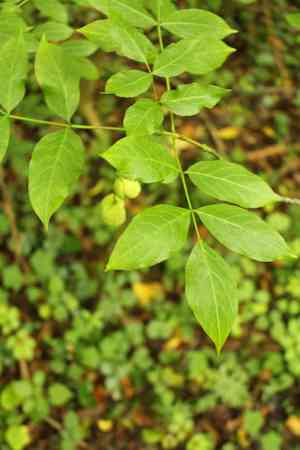
The optimal period for relocating common bladdernut is from early to mid-spring, utilizing the cool, damp environment that fosters robust root development. Select a location featuring soil that drains effectively and offers partial shade. Careful handling and generous irrigation will facilitate its adaptation.
Essential Preparations Before Relocating Common Bladdernut?
Optimal Timing for Common Bladdernut Relocation?
Early spring, specifically its initial phase, presents an excellent opportunity for moving common bladdernut. This period, as nature awakens, provides suitable conditions for common bladdernut to successfully re-establish prior to the peak growing season. During these months, moderate temperatures and increased moisture levels foster an ideal environment for root development. Placing common bladdernut in its new spot at this time ensures a strong start, allowing it the entire season to strengthen and thrive.
Recommended Spacing Between Common Bladdernut Plants?
When relocating common bladdernut, ensure each plant has ample room to expand. Ideally, maintain a distance of approximately 4-6 feet (1.2-1.8 meters) between individual plants. This will guarantee sufficient space for their growth and spread.
Best Soil Mixture for Common Bladdernut Relocation?
Common bladdernut thrives in soil that drains effectively. Prepare the planting hole by enriching it with organic material or compost as a foundational fertilizer. Crucially, the soil's pH level should be slightly acidic to neutral, ranging from 6.0 to 7.0.
Where to Replant Your Common Bladdernut?
When selecting a new site for common bladdernut, seek out locations that receive full sun to partial shade. In other words, a spot that gets about 4-6 hours of sunlight daily would be perfect. However, common bladdernut can endure full shade.
Necessary Tools for Common Bladdernut Transplantation?
Gardening Gloves
To safeguard your hands from dirt and potential scrapes while handling soil and common bladdernut.
Shovel or Spade
For preparing the planting area and carefully extracting common bladdernut from its original spot without harming the roots.
Gardening Trowel
Useful for excavating smaller holes or working in confined spaces if common bladdernut is being removed from a seedling tray or container.
Garden Fork
A helpful implement for loosening the soil near the plant's roots when removing common bladdernut from its initial location.
Watering Can or Hose
Water is crucial for preparing both the new planting site and moistening the original area, facilitating safer removal of common bladdernut.
Wheelbarrow
Optional, but beneficial for transporting common bladdernut from its initial spot to its new location, especially if the plant is large or the distance is considerable.
How to Extract Common Bladdernut from the Ground?
How to Extract Common Bladdernut from the Ground?
From Ground: First, thoroughly water the common bladdernut to moisten the soil around its base. Then, using a shovel or spade, dig a wide trench around the plant, being careful to keep the root ball intact. Work the spade beneath the root ball, ensuring no root damage, and gently lift the common bladdernut from its original position.From Pot: Water the common bladdernut plant and allow it to absorb for 15-20 minutes. Turn the pot on its side, hold the plant by its base, and carefully pull it out. If it resists, tap the pot's sides to loosen it.From Seedling Tray: Ensure the common bladdernut and soil are damp before removal. Gently squeeze the bottom of the seed cell or use a gardening trowel to push it up from below, and the seedling should easily slide out with its root ball.
Step-by-Step Guide for Relocating Common Bladdernut
Preparation
Water the common bladdernut in its current location. Determine the required depth and width of the hole based on the size of common bladdernut's root ball, which should fit comfortably, and dig accordingly.
Transport
Carefully lift the common bladdernut, ensuring the root ball's integrity is maintained. If necessary, use a wheelbarrow to move the common bladdernut to its new spot.
Planting
Place the plant in the hole, making sure the stem's base is at ground level. Backfill the hole with soil, gently firming it around the base of the common bladdernut.
Watering
Immediately after relocation, water the common bladdernut generously to settle the surrounding soil and aid its recovery from transplant shock.
Post-Transplant Care for Common Bladdernut?
Monitoring
Closely observe the common bladdernut in the days and weeks following relocation, checking for any signs of stress or illness. If common bladdernut exhibits symptoms of transplant shock like wilting or yellowing, provide temporary shelter for a few days.
Watering
Keep the soil around common bladdernut consistently moist, but avoid waterlogging. The root system will be establishing itself during this phase, so regular hydration is crucial. However, do not overwater as it can lead to root rot.
Pruning
Remove any weak, damaged, or dead branches after transplanting to help the plant conserve energy, increasing its chances of survival.
Mulching
Apply a layer of organic mulch around the base of common bladdernut to help retain soil moisture and inhibit weed growth.
Resolving Common Issues with Common Bladdernut Relocation.
When is the optimal time to move common bladdernut?
The best period to relocate common bladdernut is during seasons S1-S2. This allows the plant ample time to establish its roots before more severe weather conditions.
What spacing should I maintain when relocating common bladdernut?
For common bladdernut, it's advisable to leave approximately 4-6 feet (1.2-1.8 meters) of space between plants. This promotes better sunlight penetration and air circulation.
What should be the depth of the hole when relocating common bladdernut?
The hole should be sufficiently deep and wide to accommodate the common bladdernut's root ball. Typically, twice the width and the same depth as the root ball is adequate.
How much watering does common bladdernut need after relocation?
Initial watering should be ample to settle the soil around the roots. Afterward, maintain a routine of deep watering to prevent the roots from drying out.
What to do if the relocated common bladdernut shows signs of stress?
First, ensure that common bladdernut receives enough water without waterlogging its roots. If the issue persists, consult a local nursery or extension service for disease identification.
What type of soil does common bladdernut prefer when relocating?
Common bladdernut thrives in well-draining yet moisture-retentive soil. It prefers soil with a neutral to slightly acidic pH. Enriching the soil with organic matter can be beneficial.
Is it necessary to add fertilizer when relocating common bladdernut?
While not essential, adding a mild, slow-release organic fertilizer may help common bladdernut establish quickly. However, excessive fertilizer can harm the roots.
How can I ensure the relocated common bladdernut stands properly?
When relocating, keep the common bladdernut upright and ensure it's at the same depth as it was in its original spot. Backfill gently and water thoroughly.
What to do if the leaves of my relocated common bladdernut turn yellow?
If common bladdernut's leaves yellow after relocation, it could be due to overwatering, underwatering, or transplant shock. Adjust watering accordingly, and the plant should recover.
Can common bladdernut handle relocation well?
Common bladdernut generally tolerates relocation well, provided care is taken not to damage the roots and transplant conditions such as soil, water, and sunlight are optimal.



