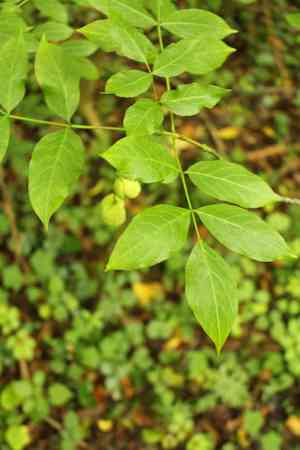
Common bladdernut (Staphylea pinnata)
Also known as: European bladdernut
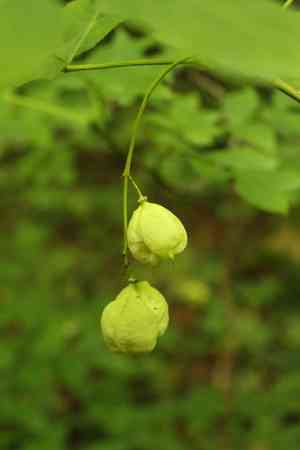
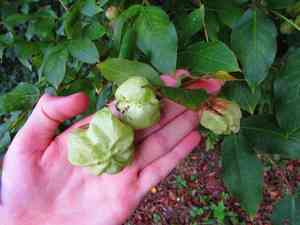
The common bladdernut (Staphylea pinnata) grows easily in shrub borders and hedges. It has symmetrical leaves and will produce white bell-shaped flowers with a nice fragrance in early summer. Flies are its primary pollinators. The seeds are protected by an inflated pod or bladder.
In This Article
Attributes of Common bladdernut
Lifespan
Perennial
Plant Type
Shrub
Plant Height
6 m
Spread
3 m to 4.5 m
Leaf Color
Green
Flower Size
2.5 cm
Flower Color
White Yellow
Images of Common bladdernut
Quickly Identify Common bladdernut
1
White, fragrant flowers with red-tipped sepals in drooping panicles.
2
Compound, pinnate leaves with 5-7 pointed, glossy leaflets.
3
Distinctive fruit capsules resemble inflated, papery balloons with lobes.
4
Deciduous shrub or tree with erect, robust, and branched structure.
5
Optimal height and width of approximately 15 feet (4.5 meters).
Scientific Classification of Common bladdernut
Phylum
Vascular plants
Class
Dicotyledons
Order
Crossosomatales
Family
Bladdernut
Genus
Bladdernuts
Species
Common bladdernut
Planting and Growing of Common bladdernut
Care Difficulty
Easy
Watering Schedule
Every 2 days
Sunlight Requirements
Partial sun
Sunshine Duration
4-8 hours
Ideal Temperature
50-77℉
Soil Type
Potting Mix, Peat Mix
Soil pH
6.5-7.5
Fertilizer Type
Balanced
Pruning Season
Spring, Summer
Pruning Area
Branches, Leaves
Pruning Frequency
2 times a year
Repotting Season
Spring
Pot Type
Plastic, Ceramic
 How to Water Common bladdernut?
Staphylea pinnata prefers consistent moisture, but it's crucial not to overdo it. Each watering session should deliver about 500 ml of water. This amount ensures that moisture reaches the root zone without turning the soil waterlogged. A slightly damp topsoil signals the ideal watering level, enhancing the plant's absorption capacity without suffocating the roots.
What are the symptoms of an underwatered Common bladdernut?
›
What should I do if my Common bladdernut is not getting enough water?
›
What are the symptoms of an overwatered Common bladdernut?
›
How to save an overwatered Common bladdernut?
›
 What Are the Sunlight Requirements for Common bladdernut?
Staphylea pinnata thrives in partial sun, making it best suited for environments that provide dappled light or four to six hours of sunlight daily. Ideal lighting promotes healthy foliage and increased flowering potential.
More About Sunlight Requirements Techniques→
Question: What is the ideal lighting condition for Staphylea pinnata?
›
Solution: How can you achieve this ideal lighting for Staphylea pinnata?
›
Effect: What benefits does Staphylea pinnata receive from ideal lighting?
›
 What Is the Ideal Temperature Range for Common bladdernut?
Staphylea pinnata thrives in temperatures ranging from 50°F to 77°F. This range provides optimal conditions for growth and blooming, ensuring healthy development and an adequate supply of nutrients necessary for flowering.
 What Soil is Best for Common bladdernut?
The roots of Staphylea pinnata prefer not to sit in waterlogged conditions. Using well-draining soil allows for efficient water transfer, preventing rot and ensuring healthy growth. This plant thrives when provided with a substrate that is rich in organic matter. A loamy composition supplies essential nutrients, promoting vigorous foliage and flowering. While the soil should drain well, a moderate moisture retention capacity ensures that the plant receives enough hydration between watering sessions, crucial for its health during dry spells.
 How to Fertilize Common bladdernut?
Staphylea pinnata benefits from a balanced application of nutrients. Typically, a liquid fertilizer should be diluted to half strength, using approximately 10-15 ml per gallon of water for young plants, increasing gradually as the plant matures. Over-saturating the soil with concentrated fertilizer could lead to root burns.
 How to Prune Common bladdernut?
Begin by identifying branches that are dead, damaged, or crossing each other, as these are the primary targets for removal. Look for any branches that disrupt the overall shape of the shrub or hinder airflow and light penetration. When cutting branches, ensure that you make cuts at a 45-degree angle just above a bud or branch junction. This encourages healthy new growth and reduces the chance of water collecting on the cut, which could lead to rot. For Staphylea pinnata, it is important to maintain a balanced shape by thinning out the canopy. This promotes even spacing between branches, ensuring effective sunlight exposure, which is pivotal for robust flowering.
More About Pruning Techniques→
 How to Propagate Common bladdernut plant?
1
Harvest seeds in early spring once the pods are dry and begin to split open. Be sure to collect seeds before they disperse naturally for optimal germination.
2
Select healthy, semi-hardwood stems for cuttings in the spring. Cut 10-15 cm long pieces with several nodes, and remove the leaves from the bottom half to reduce water loss.
3
Place seeds in a seed tray filled with a seed-starting mix and cover lightly. Insert cuttings into a pot of moist, well-draining soil, ensuring at least one node is buried.
 How to Repot Common bladdernut plant?
1
The ideal time to repot Staphylea pinnata is when you notice that its growth has significantly slowed, or roots are visibly growing out of the drainage holes. This usually happens every 2-3 years. Early spring or autumn is favorable so the plant can adjust before its growing season.
2
Select a pot that is slightly larger than the current one, with adequate drainage holes. A terracotta or clay pot is beneficial as it allows the soil to breathe, preventing root rot. Ensure it's at least 1-2 inches larger in diameter to accommodate new growth without overwhelming the roots.
3
Opt for a well-draining loam mix to provide balanced nutrients and proper drainage, crucial for preventing waterlogging. A good loam mix will keep the roots aerated while retaining enough moisture to sustain the plant, supporting healthy growth during its transplant adjustment period.



