How to Prune Common bladdernut?
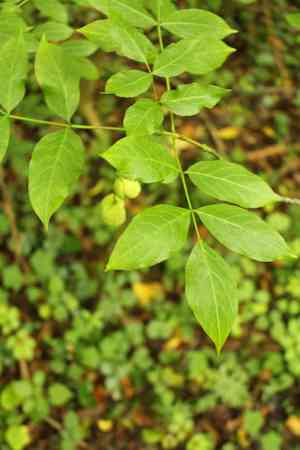
A leaf-shedding bush recognized for its clusters of white blossoms and thin, dry seed pods, common bladdernut thrives with trimming to preserve its form and foster robust development. Perform pruning after the blooming period in late spring or early summer, shortening excessively long branches and eliminating any lifeless or compromised wood. Periodically reducing older stalks every few years stimulates fresh growth and boosts air movement. Pruning additionally refines common bladdernut's inherent structure and can manage its dimensions in confined areas.
Advantages of Trimming Common Bladdernut
Advantages of Trimming Common Bladdernut
Trimming common bladdernut promotes more abundant blooms while helping the plant stay healthy by reducing the risk of pest infestations and disease spread. Precise cuts stimulate robust growth, maintaining plant vitality.
Optimal Time for Pruning Common Bladdernut
Optimal Time for Pruning Common Bladdernut
Pruning common bladdernut in late spring or early summer is ideal as it coincides with the period immediately after its flowering cycle. This timing allows gardeners to remove spent flowers, which encourages healthier growth and prepares common bladdernut for vigorous vegetation throughout the growing season. Late spring marks the end of frost risk that can damage fresh cuts, ensuring wounds heal quickly in warmer weather. Early summer pruning also helps shape the plant for the upcoming year without risking the removal of developing buds that will become next year's flowers. Pruning during this window minimizes stress on common bladdernut while leveraging its natural growth cycle, thus promoting its longevity and aesthetic form.
Required Tools for Pruning Common Bladdernut
Hand Pruners
Essential for snipping smaller, thinner branches and stems of common bladdernut, ensuring clean cuts without damaging the plant.
Loppers
Ideal for cutting through thicker branches that hand pruners can't manage, giving gardeners the leverage needed for clean cuts.
Pruning Saw
Necessary for removing even larger branches; a pruning saw makes it possible to cut through the toughest parts of common bladdernut without tearing or harming the plant.
Hedge Shears
Useful for shaping common bladdernut if it is being kept as a hedge or for cosmetic trimming of softer growth.
Pole Pruner
Recommended for reaching higher branches. Common bladdernut can grow tall, and a pole pruner can make it safer and easier to prune without the use of a ladder.
Gardening Gloves
To protect hands from thorns and rough bark while pruning common bladdernut, and to ensure a firm grip on the tools.
How to Prune Common Bladdernut
Cleaning tools
Sterilize your pruning tools with a diluted bleach solution or rubbing alcohol to prevent the spread of diseases to common bladdernut.
Removing diseased parts
Excise any diseased leaves and branches from common bladdernut using sharp, clean pruning shears. Make cuts at a 45-degree angle, close to the base of the affected part, to encourage healthy growth and healing.
Eliminating dead material
Locate and trim away all dead branches and withered leaves from common bladdernut. Cut back to healthy tissue to promote vigorous growth and improve air circulation within the canopy.
Pruning flowers
Gently remove withered flowers from common bladdernut, which can encourage new blooms and prevent the plant from expending energy on seed formation.
Shaping plant
Identify and selectively prune excess growth branches on common bladdernut to maintain the desired shape and size. This also helps to ensure adequate light penetration and air flow, which are crucial for the plant's overall health.
Common Pruning Mistakes with Common Bladdernut
Over pruning
Removing too much foliage, which can stress common bladdernut and slow its growth. Aim to remove only what is necessary for shaping and health.
Improper cut placement
Making cuts too close to the main stem can injure common bladdernut and leave it vulnerable to disease. Cuts should be made just above a healthy bud or branch.
Using dull tools
Pruning with dull blades can result in jagged cuts that leave common bladdernut open to infection. Ensure tools are sharp for clean cuts.
Omitting sanitization
Not sanitizing tools between cuts can spread disease from one part of common bladdernut to another. Sanitize tools before and during pruning to prevent this.
Neglecting deadwood
Failing to remove dead or diseased branches can harm common bladdernut's overall health. Regularly check for and prune out any unhealthy growth.
Ignoring growth pattern
Ignoring the natural form of common bladdernut can result in an unnatural appearance and poor growth. Prune according to the plant's growth habit.
Common Pruning Tips for Common Bladdernut
Selective pruning
Practice selective pruning by removing only the branches that are dead, diseased, or crossing over others. This maintains common bladdernut's structure and vigor.
Consider plant health
Assess common bladdernut's overall health before pruning and focus on maintaining a balanced form. Avoid heavy pruning if the plant has been stressed by environmental factors.
Tool choice
Use the correct tools for the job. Hand secateurs are suitable for small branches, while loppers may be needed for thicker growth on common bladdernut.
Clean cuts
Make clean cuts at a 45-degree angle, about 1/4 inch above a bud or branching point to promote healing and new growth in common bladdernut.
Thinning
To increase light penetration and air circulation, thin out dense areas of common bladdernut's canopy rather than shearing the exterior.
Prune for shape
Common bladdernut can be lightly shaped after flowering to maintain its form. Always prune with the plant's natural shape in mind to encourage balanced growth.



