The Common bladdernut Plant Advantage: Maximizing Home and Office Appeal and Wellness
1
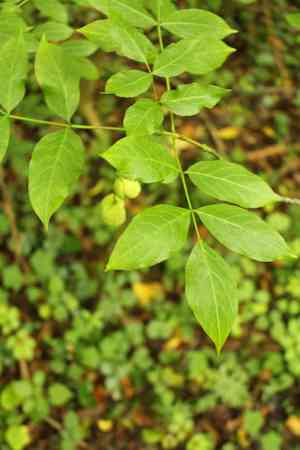
Common bladdernut offers ecological advantages, supplying shelter and sustenance for animals.
2
The foliage and outer covering of Common bladdernut are suitable for natural artistic endeavors.
3
Common bladdernut features attractive blossoms that enhance the beauty of outdoor spaces.
Why Incorporate Common Bladdernut into Your Garden?
What Ecological Advantages Does Common Bladdernut Offer?
Common bladdernut plays a vital role in supporting local wildlife. Its blossoms supply nectar for pollinators like bees and butterflies, while its seeds provide sustenance for birds and small mammals. By introducing Common bladdernut to your garden, you can establish a miniature ecosystem that fosters biodiversity and aids local fauna.
How Does Common Bladdernut Improve Soil Quality?
Common bladdernut enhances soil health by improving its structure and nutrient content. The plant's root system assists in aerating the soil, making it more permeable and improving water drainage. Furthermore, the decaying leaf litter from Common bladdernut returns essential nutrients to the soil, thereby enriching it and promoting robust plant development.
Aesthetic and Practical Applications of Common Bladdernut
Can Common Bladdernut Enhance Garden Visuals?
Common bladdernut showcases visually appealing flowers that bloom in clusters, typically in late spring or early summer. These blooms can add a charming and elegant touch to any garden. Moreover, the plant's abundant foliage provides a beautiful green backdrop throughout the growing season, making it a versatile addition to any garden design.
What Crafting Uses Does Common Bladdernut Have?
The leaves and bark of Common bladdernut can be utilized in various natural crafting projects. For instance, the flexible stems are perfect for creating natural wreaths, and the durable bark can be employed for creative woodworking endeavors. This makes Common bladdernut not only a beautiful but also a functional plant for hobbyists and artisans.
Successful Cultivation of Common Bladdernut
What Are the Optimal Growing Conditions for Common Bladdernut?
Common bladdernut thrives in well-drained soils and prefers a location that receives partial to full sunlight. It is relatively low-maintenance and can adapt to various soil types, though it performs best in moderately fertile, loamy soil. Consistent watering, especially during dry periods, will help ensure vigorous growth.
How to Maintain Common Bladdernut?
Caring for Common bladdernut involves regular pruning to maintain its form and remove any dead or diseased branches. Mulching around the plant's base can help retain soil moisture and suppress weeds. Additionally, it's advisable to monitor for common pests and diseases that might affect Common bladdernut, and implement preventative measures as needed.
Additional Advantages of Growing Common Bladdernut
What Are the Environmental Benefits?
Cultivating Common bladdernut in your garden can positively impact the environment. The plant aids in reducing soil erosion and can serve as a natural windbreak, safeguarding other plants within your garden. Furthermore, by fostering diverse plant life, Common bladdernut supports a balanced ecosystem, which is crucial for environmental sustainability.
Can Common Bladdernut Serve as a Natural Barrier?
Common bladdernut can be strategically planted to function as a natural barrier or hedge in your garden. Its dense foliage offers privacy and can assist in blocking noise and wind. This makes it an excellent choice for creating secluded garden areas or defining different sections of your landscape.



