How to Propagate Common bladdernut?
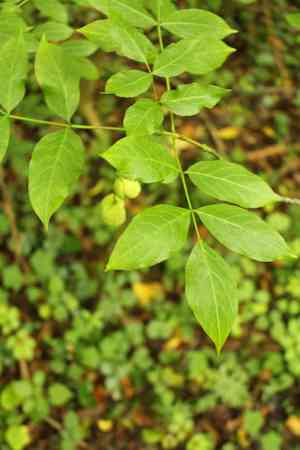
Staphylea trifolia can be successfully multiplied using cuttings. Select robust, semi-lignified sections from the present or prior year's growth. Verify that each cutting possesses multiple nodes, as this elevates the probability of successful root formation. Submerge the cutting's base in a rooting compound prior to inserting it into a porous soil blend. Sustaining moisture levels around the cuttings by enclosing them with a plastic cover or employing a misting apparatus can further boost rooting efficacy. Diligent attention during the initial phases of root establishment is vital for robust growth.
What Is the Best Time To Propagate Common Bladdernut?
Propagation Type
Cutting
Propagation Season
Autumn,Winter
What Tools Are Used in Common Bladdernut Propagation?
Sharp Pruning Shears
Pruning shears are vital for making clean, precise cuts when taking common bladdernut cuttings. A sharp, clean cut minimizes damage to the parent plant and boosts the likelihood of successful rooting. Disinfect shears before use to prevent disease spread.
Rooting Hormone
Rooting hormone encourages root development in common bladdernut cuttings. It aids in faster and more dependable root formation. Apply a small amount to the cut end of the cutting before planting to improve rooting effectiveness.
Sterile Potting Mix
A sterile potting mix offers a disease-free environment for common bladdernut cuttings, crucial for healthy root growth. The mix should be light and drain well to maintain proper moisture levels around the developing roots.
Propagation Tray with Lid
This tray creates an optimal environment for rooting common bladdernut's cuttings. The lid helps retain humidity and warmth, forming a microclimate that promotes rooting. Ensure ventilation to prevent excessive moisture, which can lead to fungal issues.
How to Propagate Common Bladdernut?
Propagation Type
Moderately Difficult
How to Care for Your Newly Propagated Common Bladdernut?
How to Care for Your Newly Propagated Common Bladdernut?
After propagation, common bladdernut should be gradually introduced to its permanent growing conditions. This includes acclimatizing to outdoor temperature shifts if initially kept indoors. Continue regular watering, but ensure good drainage to prevent waterlogging, which common bladdernut is sensitive to. As common bladdernut matures, it can benefit from a balanced fertilizer during its active growth period. Pruning in late winter or early spring helps maintain plant health and shape.
Common Mistakes to Avoid When Propagating Common Bladdernut
Overwatering cuttings
Excessive watering can cause root rot in common bladdernut cuttings, diminishing the chances of successful root development and potentially killing the cutting.
Using non-sterilized tools
When propagating common bladdernut, using unsterilized tools can introduce pathogens to fresh cuts. This can severely hinder growth or lead to plant tissue decay.
Ignoring root hormone usage
Failing to use root hormone on common bladdernut's cuttings can result in poor or failed root development, as this hormone significantly enhances root growth and stability.
Planting seeds too deeply
Common bladdernut seeds planted too deep may not germinate due to insufficient access to light and oxygen, which are vital for the start of germination.
Tips For Propagating Common Bladdernut
Maintain moderate moisture
Keep the soil of common bladdernut moderately moist when rooting cuttings. This provides necessary hydration for growth without the risk of waterlogging, which can cause root rot.
Use sharp, clean cutting tools
To prevent disease transmission and promote healthy propagation, always use sharp and sanitized tools when taking cuttings from common bladdernut. Clean cuts heal faster and are less susceptible to infection.
Apply rooting hormone
For common bladdernut cuttings, applying a rooting hormone to the cut end before planting enhances root formation and increases the chances of successful propagation.
Proper seed depth and spacing
Sow common bladdernut seeds at a shallow depth and ensure they are spaced adequately to allow sufficient light exposure and reduce competition for nutrients, leading to more effective germination and growth.



