How to Transplant Hedge woundwort?
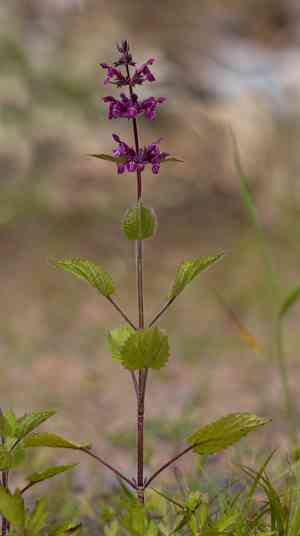
The ideal period for relocating hedge woundwort is amidst the vigorous development of mid to late spring, ensuring strong rooting. Place it in a shaded spot with damp, nutrient-rich earth, carefully promoting root expansion without requiring particular manipulation.
What Preparations are Needed Before Transplanting Hedge Woundwort?
What is the Ideal Time for Transplanting Hedge Woundwort?
The optimal period for relocating hedge woundwort is during the vibrant mid to late spring. This timeframe provides gentle temperatures and ample moisture, greatly facilitating the plant's adjustment and allowing for robust root development prior to the summer heat. Moving hedge woundwort during this renewal phase encourages strong growth, as the soil is active and conditions are perfect for roots to establish and expand. Selecting this season ensures the plant thrives in its new environment.
How Much Space Should You Leave Between Hedge Woundwort Plants?
When transplanting hedge woundwort, ensure ample room for future development. A recommended spacing is approximately 1-2 feet (30-60cm) between each specimen. This spacing allows them to spread and mature without competing for essential resources.
What is the Best Soil Mix for Hedge Woundwort Transplanting?
Hedge woundwort thrives in soil that drains well and is fertile. Incorporate organic material or compost into your soil to enhance its nutritional content. Additionally, applying a foundational fertilizer like Bonemeal can supply the necessary phosphorus for robust root growth.
Where Should You Relocate Your Hedge Woundwort?
Hedge woundwort flourishes in either full sun or partial shade. Select a site that receives adequate sunlight and offers protection from harsh weather conditions. If the sun is too intense, provide some light shading.
What Equipments Should You Prepare Before Transplantation Hedge Woundwort?
Gardening Gloves
To keep your hands clean and shield them from thorns and other potentially harmful items in the soil.
Shovel or Spade
This tool is crucial for excavating the hole at the new transplant site and for carefully extracting the hedge woundwort plant from its original spot.
Garden Fork
Utilized to loosen the soil surrounding the plant in its initial location.
Watering Can
This will be used to gently hydrate the hedge woundwort plant both before and after its relocation.
How Do You Remove Hedge Woundwort from the Soil?
How Do You Remove Hedge Woundwort from the Soil?
From Ground: When it's time to move the hedge woundwort plant, begin by watering the soil around its base. This will help soften the earth, making root extraction easier. Carefully dig around the plant with a garden fork or spade, ensuring you don't get too close to damage the roots. Loosen the soil in a wide enough circle, then gently lift the plant from the ground.From Pot: The hedge woundwort plant should easily slide out of its container if you tilt it sideways while gently tapping the pot's bottom and carefully pulling the plant's base. If the plant resists, do not yank it. Instead, use a blade to cut around the pot's inner edge to loosen the soil.From Seedling Tray: Water the tray thoroughly before removing the hedge woundwort seedlings. This not only simplifies removal but also lessens transplant shock. Carefully extract the seedlings by loosening the soil with a gardening fork and gently lifting them out.
Step-by-Step Guide for Transplanting Hedge Woundwort
Preparation
Before relocating the hedge woundwort plant, prepare the new site by digging a hole twice as wide and deep as the plant's root ball. Loosen the soil within the hole to allow roots to spread easily.
Transfer
Carefully position the hedge woundwort plant in the hole so the top of its root ball is level with the ground surface. Ensure the plant stands upright.
Backfill
Surround the hedge woundwort plant with the excavated soil and gently firm it to eliminate any air pockets.
Watering
Thoroughly water the hedge woundwort plant immediately after transplanting. This aids in settling the soil around the roots.
How Do You Care For Hedge Woundwort After Transplanting?
Watering
It is essential to maintain moist soil for the initial weeks following the hedge woundwort plant's relocation. However, avoid excessive watering. Irrigate only when the top layer of soil appears dry.
Protection
If feasible, provide temporary shade for the hedge woundwort plant for the first few days post-transplant. This can alleviate stress as it adjusts to its new environment.
Monitoring
Observe the hedge woundwort plant's health closely. If you notice wilting or yellowing leaves, it may indicate stress. You might need to adjust watering frequency or consider using a balanced plant food to support growth.
Troubleshooting Common Issues with Hedge Woundwort Transplantation.
What is the best time to transplant hedge woundwort?
The optimal time to transplant hedge woundwort is during its second or third year of growth.
What is the ideal spacing when planting hedge woundwort?
When transplanting hedge woundwort, ensure a gap of approximately 1-2 feet (30-60 cm) between each plant.
Why is hedge woundwort wilting after being transplanted?
Hedge woundwort may wilt if it wasn't adequately watered after transplanting. Moisture reduces the stress of relocation and aids in root recovery.
How deep should I plant hedge woundwort when transplanting?
A good guideline is to dig a hole as deep as hedge woundwort's root ball, typically around 10 inches (25 cm), to allow for growth.
What if my hedge woundwort doesnât show growth after transplantation?
Patience is crucial with hedge woundwort. If no growth is observed after several weeks, it might require more nutrients, additional water, or a more suitable location.
Can transplanting stress affect hedge woundwort's growth
Absolutely. Relocating can be stressful for hedge woundwort. Minimize root disturbance and ensure proper aftercare to encourage healthy growth.
What kind of soil does hedge woundwort prefer when being transplanted?
Hedge woundwort thrives in well-draining soil, rich in organic matter. Consider mixing compost into your soil before transplanting for an extra nutrient boost.
What sunlight condition suits hedge woundwort best after transplantation?
Hedge woundwort grows best in areas with either full sun or partial shade. Just ensure it receives at least 3-4 hours of sunlight daily.
Do I need to prune hedge woundwort while transplanting it?
Pruning hedge woundwort just before transplanting can lessen transplant shock. You should remove 1/3 of the plant's foliage to decrease water loss.
Can hedge woundwort be transplanted close to other plants?
Hedge woundwort should be planted at a safe distance of 1-2 feet (30-60 cm) from other plants to provide ample space for root growth and prevent nutrient competition.



