How to Propagate Hedge woundwort?
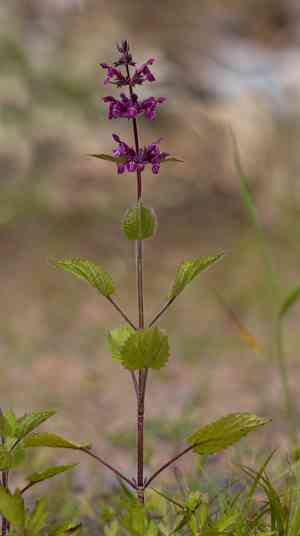
Hedge woundwort flourishes when multiplied via cuttings, an effective and straightforward technique for cultivators. For optimal development, sever robust stems during their active growth phase, then embed them in a potting blend that drains effectively. Consistent hydration and dappled light can foster root formation, simplifying the process for inexperienced gardeners to attain positive outcomes. Furthermore, sustaining adequate soil dampness and preventing excessive density are vital for vigorous expansion.
Optimal Time for Hedge Woundwort Propagation
Propagation Method
Cutting
Propagation Period
Spring,Summer
Tools Required for Hedge Woundwort Propagation
Sharp Pruning Shears
These shears are vital for obtaining clean cuts from hedge woundwort. A precise cut minimizes harm to the parent plant and boosts the likelihood of successful rooting in cuttings. Sharp, sanitized blades prevent disease transmission during the cutting process.
Rooting Hormone Powder or Gel
Applying a rooting hormone to the base of the cuttings enhances the probability of successful root formation. This hormone stimulates root development at the cut site, crucial for hedge woundwort to establish itself quickly in a new environment.
Sterilized Potting Mix
A well-draining, sterile potting mix offers the perfect environment for hedge woundwort cuttings to root. It lowers the risk of fungal or bacterial infections which can be harmful during the delicate stages of root development.
Propagation Trays with Lids
These trays help maintain consistent humidity and temperature, both essential for root development in hedge woundwort cuttings. The lid aids in retaining moisture and warmth, creating a microclimate favorable for growth.
Heating Mat (optional)
While not always necessary, a heating mat can be placed under the propagation trays to maintain a consistent soil temperature. This is particularly beneficial in cooler environments or seasons, assisting in the faster rooting of hedge woundwort.
How to Propagate Hedge Woundwort?
Propagation Type
Easy
Caring for Your Newly Propagated Hedge Woundwort
Caring for Your Newly Propagated Hedge Woundwort
Once roots have formed and new growth emerges, gradually acclimate the young hedge woundwort plants to outdoor conditions before transplanting them to their permanent spot. Ensure they are planted in moist, well-drained soil in partial shade. Regular watering helps young plants establish, but be mindful of waterlogging as hedge woundwort does not tolerate overly wet conditions. Seasonal mulching can help retain soil moisture and suppress weeds.
Common Propagation Mistakes to Avoid with Hedge Woundwort
Overwatering
Watering hedge woundwort too frequently can lead to root rot and fungal growth. This plant prefers well-drained soil, and excessive moisture can be detrimental to its roots.
Deep planting
Planting the cuttings or seeds of hedge woundwort too deeply can hinder proper sprouting. This error can significantly reduce the germination and establishment rates of the plant.
Ignoring light requirements
Providing either too much direct sunlight or insufficient light. Hedge woundwort thrives in partial shade and may not grow well with inadequate or excessive sun exposure, risking poor growth and disease.
Tips For Propagating Hedge Woundwort
Use of fresh cuttings
Utilizing fresh cuttings from healthy parent plants of hedge woundwort can significantly improve the success rate of propagation. This ensures that the cuttings possess maximum vitality and disease resistance.
Soil preparation
Preparing a light, well-drained planting mix for hedge woundwort is crucial. This mix should provide adequate support and moisture retention while allowing excess water to drain away, promoting healthier root development.
Appropriate planting depth
Plant cuttings or seeds of hedge woundwort at a shallow depth. This supports better sprouting and rooting, as the plantâs delicate stems and emerging roots can easily break through the soil surface.



