The Hedge woundwort Plant Advantage: Maximizing Home and Office Appeal and Wellness
1
Hedge woundwort is recognized for its inflammation-reducing qualities.
2
This botanical can be a beneficial inclusion in your garden for therapeutic purposes.
3
Hedge woundwort has historically been employed for mending injuries.
What are the Main Components of Hedge woundwort?
Phytochemicals and Nutrients
Hedge woundwort contains various beneficial compounds such as flavonoids, essential oils, and tannins. These plant chemicals contribute to its numerous health advantages. Flavonoids are recognized for their antioxidant properties, which help combat cellular damage. Essential oils found in Hedge woundwort provide a calming effect, while tannins are effective in firming tissues and reducing swelling.
Vitamins and Minerals
Beyond phytochemicals, Hedge woundwort is rich in vitamins and minerals. It contains vitamins A and C, crucial for maintaining healthy skin and boosting the immune system. The plant also provides calcium, magnesium, and potassium, which are vital for bone strength and muscle function.
What Are the Most Notable Health Benefits of Hedge woundwort?
Anti-inflammatory Properties
Hedge woundwort is well-known for its anti-inflammatory effects. It has been traditionally used to ease issues related to inflammation. Whether you're dealing with minor skin irritation or more severe inflammatory conditions, the plant's natural compounds help to decrease swelling and soothe the affected area.
Wound Healing
Another significant advantage of Hedge woundwort is its capacity for wound repair. Traditional uses often involved applying this plant directly to cuts and scrapes to encourage quicker healing. Its high tannin content not only lessens bleeding but also forms a protective layer that allows the skin to recover more effectively.
How Can Hedge woundwort Enhance Your Garden?
Garden Benefits
Incorporating Hedge woundwort into your garden offers several benefits. It can attract helpful insects like bees and butterflies, improving pollination for other plants. Furthermore, its dense foliage and distinct scent can act as a natural pest deterrent, keeping unwanted insects away.
Aesthetic Appeal
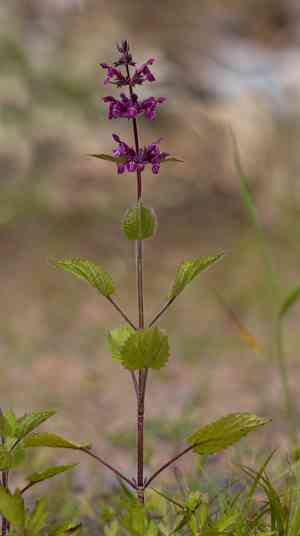
Hedge woundwort is not only practical but also enhances your garden's visual appeal. Its striking purple blooms and vibrant green leaves can create an attractive display. This plant thrives in shaded areas, making it an excellent choice for filling in less sunny spots in your garden.
How to Use Hedge woundwort in Everyday Life?
Herbal Preparations
Hedge woundwort can be integrated into daily routines through various herbal preparations. Infusions and teas make it simple to enjoy the plant's advantages. Simply steeping the dried leaves in hot water can create a soothing drink packed with health benefits.
Topical Applications
For skin-related concerns, applying Hedge woundwort topically is highly effective. Creating a poultice or ointment from the plant can address minor cuts, burns, and rashes. These preparations leverage Hedge woundwort's anti-inflammatory and astringent qualities to provide relief and promote healing.
What Should You Know About Cultivating Hedge woundwort?
Growing Conditions
Hedge woundwort thrives in moist, well-drained soil with partial to full shade, making it ideal for woodland gardens. It's a resilient perennial that can also tolerate various soil types, provided the soil is not waterlogged.
Plant Care
Caring for Hedge woundwort requires relatively little effort. Regular watering and occasional trimming will keep the plant healthy and thriving. It's also quite resistant to pests and diseases, adding an extra layer of convenience for both new and experienced gardeners.



