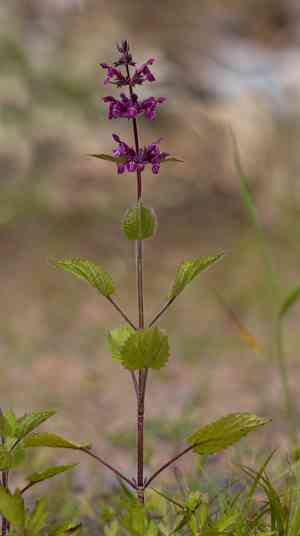
Hedge woundwort (Stachys sylvatica)
Also known as: Wood betony, Hedge nettle
Hedge woundwort, native to Eurasia, thrives in dappled shade found in woodlands and along hedgerows. Its leaves emit a strong, unpleasant odor. During the summer, it showcases clusters of purple flowers, which are especially attractive to bees, including long-tongued bumblebees.
In This Article
Attributes of Hedge woundwort
Lifespan
Perennial, Annual
Plant Type
Herb
Plant Height
80 cm
Spread
70 cm
Leaf Color
Green
Flower Size
1.2 cm to 1.8 cm
Flower Color
Pink Purple Red
Images of Hedge woundwort
Quickly Identify Hedge woundwort
1
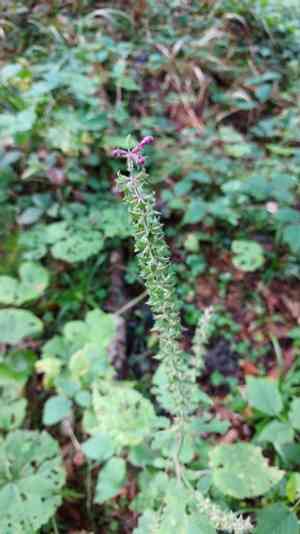
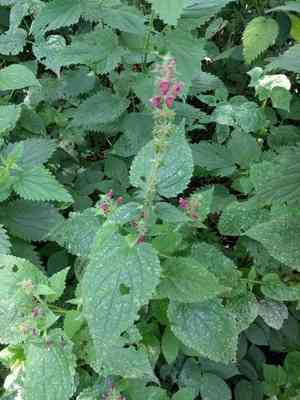
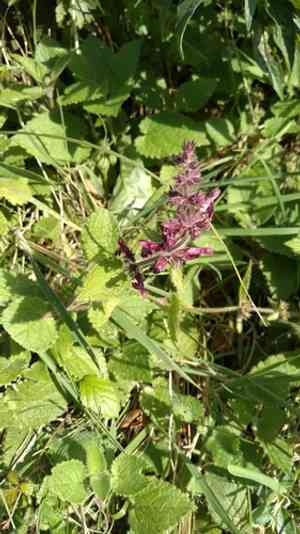
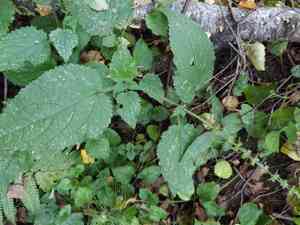
Stachys sylvatica can be identified by its square stems, opposite pairs of hairy leaves, and reddish-purple, tubular flowers that form in whorls on the upper part of the plant. Its unpleasant smell when crushed is also a distinctive feature.
Scientific Classification of Hedge woundwort
Phylum
Vascular plants
Class
Dicotyledons
Order
Lamiales
Family
Mint
Genus
Hedgenettle
Species
Hedge woundwort
Planting and Growing of Hedge woundwort
Care Difficulty
Easy
Watering Schedule
Every 8 days
Sunlight Requirements
Partial sun
Sunshine Duration
6-10 hours
Ideal Temperature
60-75℉
Soil Type
Potting Mix, Peat Mix
Soil pH
6.5-7.5
Fertilizer Type
Balanced
Pruning Season
Spring, Summer
Pruning Area
Branches, Leaves
Pruning Frequency
Once a year
Repotting Season
Spring
Pot Type
Plastic, Ceramic
 How to Water Hedge woundwort?
For Stachys sylvatica, the principle is to keep the soil consistently moist without waterlogging. A good rule of thumb is to water until the soil is saturated and excess water drains out from the bottom. This helps to ensure the roots are adequately hydrated.
What are the symptoms of an underwatered Hedge woundwort?
›
What should I do if my Hedge woundwort is not getting enough water?
›
What are the symptoms of an overwatered Hedge woundwort?
›
How to save an overwatered Hedge woundwort?
›
 What Are the Sunlight Requirements for Hedge woundwort?
Partial sun to full shade is ideal for Stachys sylvatica. Providing this range promotes robust foliage and flower production, ensuring the plant remains healthy and visually pleasing.
More About Sunlight Requirements Techniques→
What is the best lighting condition for Stachys sylvatica?
›
How can I ensure Stachys sylvatica gets its ideal light?
›
What are the benefits of providing optimal light for Stachys sylvatica?
›
 What Is the Ideal Temperature Range for Hedge woundwort?
Stachys sylvatica thrives best at temperatures between 60 and 75°F. This range promotes healthy growth and maximizes its potential for flowering. Ensuring that the plant remains within this range helps avoid stress that could impede development.
 What Soil is Best for Hedge woundwort?
Stachys sylvatica prefers soil that retains moisture well. The ability of the soil to hold water without becoming waterlogged ensures that the plant remains hydrated. Good moisture retention supports lush growth and vibrant foliage. This plant thrives in nutrient-rich soil. A fertile soil provides essential nutrients for the Stachys sylvatica, promoting healthy growth and flowering. Regularly amended soil with organic matter enhances its nutrient content. While enjoying moisture, Stachys sylvatica also requires well-drained conditions. Proper drainage prevents root rot and ensures the plant's roots receive adequate oxygen. This balance is vital for robust health and disease prevention.
 How to Fertilize Hedge woundwort?
For Stachys sylvatica, apply a moderate amount of fertilizer, ensuring not to exceed one tablespoon per plant during each application. This ensures the nutrients are available without overwhelming the plant's root system.
 How to Prune Hedge woundwort?
Start by removing any dead or faded flowers to encourage new blooms. Make precise cuts just above a node or bud to stimulate growth at that point. Prune for air circulation by thinning out congested areas. Shape the plant by cutting back leggy stems to a leaf pair, promoting a more compact form.
More About Pruning Techniques→
 How to Propagate Hedge woundwort plant?
1
Fill a seed tray with seed-starting mix and spread Stachys sylvatica seeds evenly over the surface. Cover them with a thin layer of soil and mist with water. Maintain consistent moisture until germination.
2
Select a healthy stem and cut a 4-6 inch segment just below a node. Remove lower leaves and dip the end in rooting hormone. Insert the cutting in moist potting mix and cover with a plastic dome to maintain humidity.
3
Carefully dig up the mature plant and divide its root clump into smaller sections, ensuring each section has roots and shoots. Replant these divisions into new locations with adequately prepared soil and water thoroughly.
 How to Repot Hedge woundwort plant?
1
Repot Stachys sylvatica when you notice it's root-bound or water drains too quickly. Spring or autumn are ideal times, as the plant is not actively growing. These seasons offer mild temperatures and less stress on the plant, ensuring a smooth transition.
2
Choose a pot slightly larger than the current one, ensuring it has good drainage holes to prevent waterlogging. Ceramic or terracotta pots are great as they allow moisture to escape, preventing root rot while adding a touch of aesthetic beauty.
3
Use a well-draining potting mix with added organic matter. This ensures that the roots receive enough air and nutrients while preventing water retention that could lead to root diseases. The soil should be light and fluffy to accommodate healthy root growth.
Learn More About Hedge woundwort Diseases
Anthracnose
Bacterial Leaf Spot
Bacterial Soft Rot
Bacterial Wilt
Black Spot
Chemical Injury
Crown Gall
Cyst Nematode
Damping-off
Downy Mildew
Drought Stress
Fusarium Wilt
Gray Mold
Leaf Spot
Mosaic
Nutrient Deficiency
Nutrient Toxicity
Powdery Mildew
Root Rot
Root-knot Nematode
Rusts
Sooty Mold
Spider Mites
Temperature Stress
Thrips Damage
White Mold



