How to Prune Hedge woundwort?
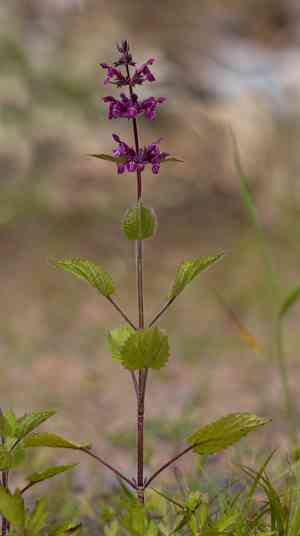
This enduring herbaceous plant, identifiable by its unique violet blossoms and inclination for shaded forest environments, flourishes with infrequent trimming. When tending to hedge woundwort, trim after its blooming period in late summer to preserve a neat look and inhibit self-propagation. Optimal periods are during spring and summer, for the removal of faded blooms and any impaired or ailing leaves, which fosters robust development and leaf fullness. Consistent trimming also discourages rampant proliferation in cultivated spaces.
What Are the Benefits of Pruning Hedge Woundwort?
What Are the Benefits of Pruning Hedge Woundwort?
Trimming hedge woundwort promotes more vigorous and dense development. By cutting back, gardeners can maintain its desired form and prevent excessive growth, ensuring the plant stays healthy and attractive while potentially boosting its vitality.
What Is the Best Time for Pruning Hedge Woundwort?
What Is the Best Time for Pruning Hedge Woundwort?
The optimal time considers hedge woundwort's active growth, which starts in spring and continues into summer. Pruning in late spring allows shaping hedge woundwort as it enters its most robust growth phase, ensuring rapid recovery from cuts. Early summer is also suitable for removing spent flowers, which can encourage a second bloom and prevent unwanted self-seeding. These periods also help avoid stress from pruning during hedge woundwort's dormancy in fall and winter, or during early spring when the plant uses stored energy to restart growth.
What Tools Do I Need to Prune Hedge Woundwort?
Bypass Hand Pruners
Hedge woundwort is an herbaceous perennial often needing trimming to keep its shape and remove dead stems. Bypass pruners provide clean cuts without crushing the plant's delicate stems.
Shears
For shaping and managing the overall growth of hedge woundwort, sharp shears offer even trimming and are perfect for thinning out thick foliage.
Gloves
Pruning hedge woundwort may involve handling rough stems and potentially irritating sap. Durable gardening gloves protect hands during the process.
Pruning Saw
If hedge woundwort has developed woody stems, a small pruning saw might be necessary to cut through them without causing undue harm to the plant.
How to Prune Hedge Woundwort
Disinfect tools
Before beginning, ensure all pruning tools are sanitized to prevent disease transmission to hedge woundwort.
Remove diseased leaves
Carefully inspect hedge woundwort for any diseased foliage. Use sharp scissors or pruning shears to snip these leaves at their base, being careful not to harm nearby healthy growth.
Eliminate withered leaves
Identify withered or dead leaves on hedge woundwort. Gently prune these leaves to encourage healthy growth and improved air circulation. This will also enhance the plant's overall appearance.
Prune diseased stems
Locate any stems on hedge woundwort showing signs of disease. Prune these stems back to a healthy section using clean, sharp cuts. If the entire stem is affected, it may be necessary to cut it back to the plant's base.
Clean up
After pruning hedge woundwort, promptly dispose of all removed plant material responsibly to prevent disease spread. Clean your tools again to ensure they are ready for future use.
Common Pruning Mistakes with Hedge Woundwort
Overpruning
Removing too much foliage from hedge woundwort can weaken it, making it more vulnerable to diseases and reducing its ability to photosynthesize effectively.
Blunt tool use
Using dull or blunt tools can cause unnecessary damage to hedge woundwort's stems, leading to uneven cuts that may not heal properly and can invite infections.
Random cuts
Making random or careless cuts without understanding hedge woundwort's growth pattern can result in an unbalanced or misshapen plant, negatively impacting its overall health and appearance.
Ignoring dead material
Failing to remove dead or diseased material from hedge woundwort can hinder new growth and spread disease throughout the plant.
Flush cutting
Making flush cuts against the main stem or branches can remove the branch collar, increasing the risk of decay and disease entry into hedge woundwort's main structure.
Common Pruning Tips for Hedge Woundwort
Sharp tools
Always use sharp, clean pruning tools to make precise cuts on hedge woundwort. This promotes quick healing and reduces disease risk.
Cut angle
Cut stems at a 45-degree angle about 1/4 inch above an outward-facing bud to encourage hedge woundwort's outward growth.
Remove damaged material
Prune away any dead, diseased, or damaged material from hedge woundwort as soon as it's noticed to maintain plant health and vigor.
Natural shape
Follow hedge woundwort's natural shape when pruning. Aim to create an open center to allow light and air circulation, which can reduce disease pressure.
Rejuvenation
Consider rejuvenation pruning if hedge woundwort has become overgrown or woody. Remove up to one-third of the oldest stems to ground level to encourage fresh growth.



