How to Transplant Staggerweed?
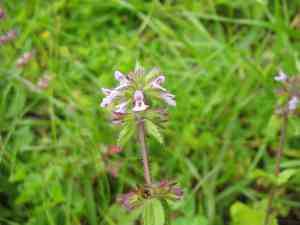
The ideal period for relocating staggerweed spans from mid-spring to late spring, as environmental factors are most favorable for root development. Select a site that receives full sun to partial shade and features soil with good drainage. Carefully introduce staggerweed to its new environment to prevent stress and encourage robust development.
Essential Preparations Before Relocating Staggerweed
Optimal Period for Moving Staggerweed?
Late spring, immediately following the final frost, marks the ideal period for relocating staggerweed. Warmer ground and extended daylight hours facilitate root development. Placing staggerweed in your garden during this time maximizes its growth potential, leveraging the entire upcoming growing season.
Recommended Spacing Between Staggerweed Plants?
When preparing to rehouse your staggerweed, remember to position them approximately 6-12 inches (15-30 cm) apart. This adequate spacing is crucial for their healthy development and overall well-being!
Preferred Soil Blend for Staggerweed Relocation?
For your staggerweed, you'll want to prepare a comfortable spot with soil that drains effectively. If possible, incorporate some organic compost as a foundational fertilizer. This thoughtful addition will help your staggerweed flourish by supplying vital nutrients.
Optimal Location for Your Staggerweed?
Your staggerweed will thrive in a location with full sun to partial shade. Aim for a spot where they receive at least 4 hours of sunlight daily. A bit of morning or afternoon sun will greatly benefit them!
Equipment Required Before Transplanting Staggerweed
Gardening Gloves
To safeguard your hands while handling soil and the plant.
Hand Trowel
For digging and moving soil within the planting area.
Spade or Shovel
Essential for excavating staggerweed if it's being removed from the ground.
Watering Can with Fine Rose
To gently irrigate staggerweed post-transplant.
Pruning Shears
To trim any damaged roots or leaves prior to relocation.
Method for Extracting Staggerweed from the Ground?
Method for Extracting Staggerweed from the Ground?
From Ground: First, moisten the soil around staggerweed by watering. Next, dig a wide trench around staggerweed using a shovel or spade, taking care not to harm the root ball. Carefully work the spade beneath the root ball to lift staggerweed from its original spot.From Pot: Water staggerweed while it's in the pot to simplify soil removal. Gently tilt the pot sideways and tap the bottom or sides to loosen the plant. If staggerweed doesn't slide out, run a hand trowel along the inner edge of the pot to separate the soil from the pot and try again.From Seedling Tray: Utilize a hand trowel or a spoon to dig around the staggerweed seedling. Carefully lift the plant, striving to preserve as many roots as possible. If staggerweed is in a peat or paper pot, plant it directly into the ground to avoid disturbing the roots.
Step-by-Step Guide for Relocating Staggerweed
Excavate the Hole
Dig a hole that is twice as wide and equally as deep as the staggerweed's root ball. This ensures ample room for roots to spread and access nutrients.
Inspect the Roots
Examine the staggerweed's roots for signs of damage or circling, and use pruning shears to trim any if necessary. Healthy roots promote better establishment in the new location.
Position staggerweed in Hole
Place staggerweed in the center of the hole. The top of the root ball should be level with the surrounding soil to encourage proper root development.
Backfill the Hole
Refill the hole with the excavated soil, gently firming it around staggerweed to eliminate air pockets that can dry out roots.
Water Abundantly
After relocating, water staggerweed thoroughly to settle the soil and provide essential moisture for root recovery and growth.
Post-Transplant Care for Staggerweed
Immediate Watering
Following the relocation of staggerweed, water the plant generously to aid its recovery from transplant shock and to settle the soil around its roots.
Mulching
Apply a layer of mulch around staggerweed to help retain moisture, stabilize soil temperature, and reduce weed competition.
Observation
Regularly monitor staggerweed for indications of stress, such as wilting or discolored leaves, and adjust care as needed.
Pruning
Trim any damaged or dead foliage to help staggerweed direct its energy towards developing new roots.
Gradual Acclimatization
If staggerweed was previously grown in a significantly different environment, gradually introduce it to its new conditions over several days to minimize shock.
Addressing Common Issues with Staggerweed Relocation.
When is the best time to move staggerweed?
The optimal season for relocating staggerweed is during the sweet spot of mid to late spring.
What's the ideal spacing for staggerweed for robust growth?
For vigorous growth, position staggerweed 6-12 inches (15-30 cm) apart to allow ample room.
Why is my relocated staggerweed wilting after the move?
Wilting can be a sign of transplant shock. Ensure careful handling and sufficient water to help staggerweed adjust.
How deep should I plant staggerweed during relocation?
Bury staggerweed roots in a hole just deep enough so the base sits at soil level for optimal growth.
Can I relocate staggerweed on a hot, sunny day?
Choose a cooler, overcast day to prevent immediate sun exposure from stressing staggerweed post-relocation.
Is it normal for staggerweed to appear droopy after relocation?
A slight droop is normal as staggerweed adapts. Keep the soil moist and provide shade to aid recovery.
What type of soil best supports staggerweed after relocation?
Well-draining, fertile soil that remains moist is ideal for staggerweed to establish roots and flourish.
How frequently should I water staggerweed after relocation?
Water staggerweed generously at the time of relocation and then regularly to keep the soil consistently moist but not waterlogged.
Should I apply fertilizer immediately after relocating staggerweed?
Wait a few weeks before fertilizing to avoid overwhelming staggerweed. Then, use a balanced fertilizer sparingly.
Can I relocate staggerweed when it's blooming or setting seeds?
It's best to move staggerweed before it flowers or sets seeds to prevent stressing the plant during its reproductive phase.



