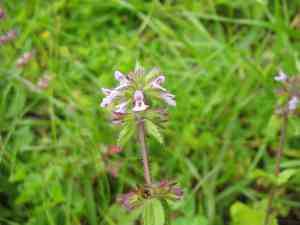
Staggerweed (Stachys arvensis)
Also known as: Field woundwort
Broadleaf plantain (*Plantago major*), originally from Europe, northern Africa, and western Asia, became widespread along ancient Roman roads due to the movement of Roman troops. This plant is now recognized as an invasive species in the Americas.
In This Article
Attributes of Staggerweed
Lifespan
Annual, Perennial
Plant Type
Herb
Plant Height
60 cm
Spread
Typically it does not have a crown; the plant\'s spread can be around 15 to 20 cm.
Leaf Color
Green
Flower Size
Around 1 cm
Flower Color
White Purple
Images of Staggerweed
Quickly Identify Staggerweed
1
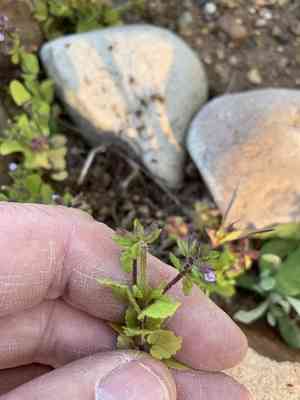
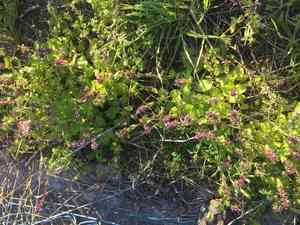
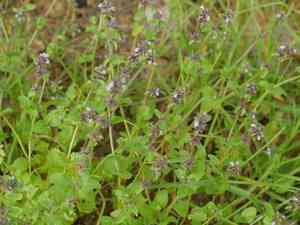
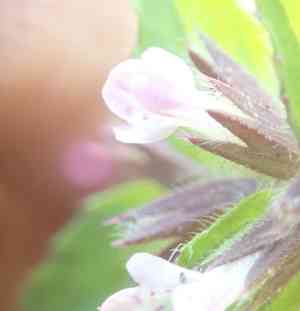
The plant can be identified by its square stems, opposite leaves, and small bilaterally symmetrical flowers which are usually pink to purple. The leaves are hairy and have a rough texture.
Scientific Classification of Staggerweed
Phylum
Vascular plants
Class
Dicotyledons
Order
Lamiales
Family
Mint
Genus
Hedgenettle
Species
Staggerweed
Planting and Growing of Staggerweed
Care Difficulty
Easy
Watering Schedule
Every 2 days
Sunlight Requirements
Partial sun
Sunshine Duration
6-8 hours
Ideal Temperature
60-75℉
Soil Type
Potting Mix, Peat Mix
Soil pH
6.5-7.5
Fertilizer Type
Balanced
Pruning Season
Spring, Summer
Pruning Area
Branches, Leaves
Pruning Frequency
2 times a year
Repotting Season
Spring
Pot Type
Plastic, Ceramic
 How to Water Staggerweed?
Water Stachys arvensis with approximately 250 milliliters per session, ensuring the soil is moist but not waterlogged, adhering to a principle of even hydration.
What are the symptoms of an underwatered Staggerweed?
›
What should I do if my Staggerweed is not getting enough water?
›
What are the symptoms of an overwatered Staggerweed?
›
How to save an overwatered Staggerweed?
›
 What Are the Sunlight Requirements for Staggerweed?
Partial sun exposure is ideal for Stachys arvensis, ensuring optimal growth and development. Good lighting enhances its foliage and supports a healthy flowering process.
More About Sunlight Requirements Techniques→
How much light does Stachys arvensis need?
›
What can I do to provide these lighting conditions?
›
What benefits does ideal lighting provide?
›
 What Is the Ideal Temperature Range for Staggerweed?
The ideal temperature range for Stachys arvensis, or field woundwort, is between 60°F to 75°F. This range provides the most supportive environment for its growth, ensuring that the plant photosynthesizes efficiently and maintains healthy cellular function. Temperatures within this range aid in optimal enzymatic activity, supporting and sustaining its overall physiology and growth cycle.
 What Soil is Best for Staggerweed?
Stachys arvensis thrives in well-drained soil, as excess water can lead to root rot. A well-draining substrate ensures that water is efficiently absorbed and any surplus is drained away, supporting the roots' health and promoting vigorous growth. For optimal growth, Stachys arvensis requires soil that is rich in organic matter. Organic matter provides essential nutrients that are critical for the plant's health, ensuring lush foliage and robust flowering. Aerated soil is vital for Stachys arvensis, as it enhances the flow of oxygen to the roots, facilitating better metabolic processes. This promotes healthier and more resilient plants, equipped to tackle pests and diseases.
 How to Fertilize Staggerweed?
For Stachys arvensis, a light hand with fertilizer is best. Use a 10-10-10 balanced liquid fertilizer diluted to half strength, applying approximately 50 ml per mature plant. Avoid over-fertilizing to prevent nutrient burn.
 How to Prune Staggerweed?
Begin by identifying dead, diseased, or weak stems. These should be the primary candidates for removal, as cutting them will allow the plant to channel its energy into healthy growth. When making cuts, angle them slightly so that water can run off easily. This helps to prevent water from collecting on the cut surface, which can lead to rot. By cutting back to a healthy pair of leaves, you encourage new shoots to emerge. This process will result in a bushier and more robust plant.
More About Pruning Techniques→
 How to Propagate Staggerweed plant?
1
Choose mature and viable seeds from a healthy Stachys arvensis plant to ensure better germination rates. Ensure seeds are free from any signs of disease or damage.
2
Select a healthy stem from the parent plant, ideally one that is non-flowering and disease-free. Using sterilized pruning shears, cut just below a node.
3
Place seeds or cuttings in a well-draining potting mix. Water them lightly to ensure the soil remains moist but not waterlogged, as excess water can lead to root rot.
 How to Repot Staggerweed plant?
1
Stachys arvensis should be repotted when you notice root-bound symptoms like roots poking through drainage holes, or if growth has noticeably slowed. The best time for repotting is during its active growth in spring or autumn, as this allows the plant to recover quickly.
2
Choose a pot that is one to two inches larger in diameter than the current one. This ensures enough room for growth, preventing waterlogging which can occur in overly large pots. Use a pot with drainage holes to avoid root rot.
3
Opt for a well-draining potting soil mix, ideally one containing peat or coconut coir to ensure good moisture retention without waterlogging. This is crucial for Stachys arvensis, as it helps maintain a balanced moisture level, encouraging healthy root development.
Learn More About Staggerweed Diseases
Anthracnose
Bacterial Leaf Spot
Bacterial Soft Rot
Bacterial Wilt
Black Spot
Chemical Injury
Cyst Nematode
Damping-off
Downy Mildew
Drought Stress
Fusarium Wilt
Gray Mold
Leaf Curl
Leaf Spot
Mosaic
Nutrient Deficiency
Nutrient Toxicity
Powdery Mildew
Root Rot
Root-knot Nematode
Rusts
Sooty Mold
Spider Mites
Temperature Stress
Thrips Damage
White Mold



