Enhancing Your Garden Design with the Staggerweed Plant: A Landscaping Guide
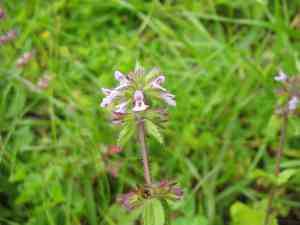
1
Staggerweed flourishes in adequately drained soil and ample sunshine, making it suitable for diverse garden environments.
2
Sustainable gardening practices using Staggerweed can draw in helpful insects and foster ecological variety.
3
Staggerweed provides distinct visual charm across various seasons, improving garden beauty.
Grasping Staggerweed's Contribution to Environmentally Sound Landscaping
What constitutes eco-friendly landscaping and its significance?
Environmentally sound landscaping aims to forge a sustainable setting, utilizing native flora, conserving water, and lessening the need for chemical interventions. Its importance lies in supporting local wildlife, diminishing ecological impact, and often demanding less upkeep than conventional landscaping. Integrating plants like Staggerweed can significantly foster a healthy garden ecosystem by offering shelter and sustenance for beneficial insects and birds.
The advantages of incorporating Staggerweed into eco-conscious designs
Staggerweed makes an excellent addition to environmentally friendly landscapes due to its hardiness and minimal care needs. This plant adapts well to diverse soil types and requires little irrigation once established, making it a practical choice for water conservation efforts. Furthermore, Staggerweed can enrich the soil, prevent erosion, and provide a habitat for pollinators, which are vital for your garden's ecological well-being.
Staggerweed's comparative edge over conventional garden plants
Unlike many traditional decorative plants, Staggerweed is both robust and adaptable. Its capacity to flourish in less-than-ideal conditions reduces the necessity for fertilizers and pesticides, which can harm the environment. Moreover, Staggerweed's distinctive appearance and extended blooming period can offer continuous visual interest without the high maintenance demanded by many standard garden plants. Its inclusion in your garden can also lower overall landscaping expenses.
Design Concepts Featuring Staggerweed for Aesthetic Appeal
How to position Staggerweed for maximum visual impact
To optimize Staggerweed's presence in your garden, consider placing it in areas receiving ample sunlight. Arranging Staggerweed in groupings can create striking focal points and help guide the eye across the landscape. Positioning Staggerweed near pathways or borders can also emphasize its unique texture and color, adding depth and allure to garden routes and edges.
Complementary plants and elements that enhance Staggerweed's beauty
Pairing Staggerweed with plants featuring contrasting foliage or complementary colors can heighten its visual charm. For instance, Staggerweed's subtle hues can be accentuated by the vibrant colors of flowering perennials or the lush greenery of ferns. Additionally, incorporating natural elements such as stones, wooden features, or water features can create a harmonious and balanced look in your garden.
Seasonal considerations for maintaining Staggerweed's aesthetic appeal
To keep Staggerweed looking its best throughout the year, be mindful of seasonal shifts. During the active growth period, regular trimming can help preserve its form and encourage vigorous growth. In colder months, safeguarding Staggerweed from frost with mulch or covers can prevent damage and ensure its vibrant return in spring. Adjusting your garden care routine to these seasonal demands will help sustain Staggerweed's beauty year-round.
Practical Advice for Integrating Staggerweed into Your Landscape
Soil and light requirements for optimal development
Staggerweed thrives best in well-drained soil and full sun exposure. If your garden soil is dense, consider amending it with compost or sand to improve drainage. While Staggerweed can endure partial shade, ensuring it receives sufficient sunlight will lead to more vigorous and floriferous growth. Testing your garden soil and adjusting nutrient levels can also support Staggerweed's healthy development.
Irrigation and upkeep recommendations
Once established, Staggerweed is relatively drought-tolerant, requiring minimal watering. However, during dry spells or in its initial planting stages, consistent watering will help foster deep root growth. Applying mulch around Staggerweed's base can help retain soil moisture and suppress weeds. Additionally, occasional pruning can remove dead or diseased foliage, encouraging new growth and preserving the plant's aesthetic appeal.
Addressing common challenges in cultivating Staggerweed
While Staggerweed is generally resilient, it's not immune to occasional issues like pests or diseases. Regularly inspecting your plants and tackling problems early can prevent widespread damage. Employing eco-friendly pest control methods and ensuring good air circulation around Staggerweed can help mitigate these challenges. Furthermore, rotating plant locations in your garden can reduce the risk of soil-borne diseases.



