How to Propagate Staggerweed?
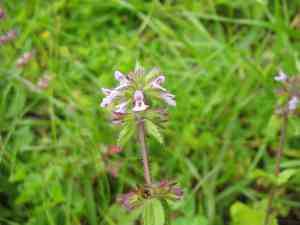
Staggerweed primarily multiplies via its seeds. To achieve successful cultivation, ensure the soil remains damp, yet not waterlogged, following planting, and provide sufficient exposure to sunlight. A thin layer of earth facilitates optimal sprouting by establishing the perfect localized conditions. As staggerweed matures, thinning might be required to foster more robust development by lessening rivalry. It is crucial to prevent overcrowded plantings, as this can result in inadequate air movement and heighten susceptibility to illnesses.
Optimal Time for Staggerweed Propagation?
Propagation Method
Seeding
Propagation Period
Spring
Tools for Staggerweed Propagation?
Seed Trays
Seed trays are essential for starting and nurturing seedlings during their delicate phases. For staggerweed, shallow trays with good drainage accommodate its small seeds, allowing for critical moisture control for germination. These trays enable organized sowing and provide ample space for initial root development.
Fine-grained Soil or Seed Starting Mix
A premium seed starting mix or fine-textured soil enhances seed-to-soil contact, which is vital for staggerweed. This blend typically contains a balanced ratio of peat, vermiculite, and perlite, ensuring proper drainage and aeration, crucial for the delicate roots of staggerweed seedlings to prevent decay.
Watering Can or Mist Sprayer
Gentle watering tools such as a mist sprayer or a watering can with a fine rose attachment are perfect for staggerweed. These tools provide soft watering that doesn't disturb seeds or emerging seedlings while maintaining necessary moisture levels. This helps prevent seed displacement and ensures even water distribution during the critical germination period.
Label and Marker
Using labels and markers to identify seed trays is vital for organized cultivation. They help track growth progress and ensure correct care routines are followed during the sensitive stages of staggerweed development. Accurate labeling aids in monitoring and managing multiple batches or varieties if propagation includes different staggerweed types.
Transplanting Trowels
A transplanting trowel is especially useful when moving staggerweed from trays to their permanent growing locations. Its narrow blade is ideal for handling small, fragile seedlings and minimizing root disturbance, which is crucial for the successful establishment of staggerweed in its new environment.
How to Propagate Staggerweed?
Propagation Type
Simple
How to Care for Your Newly Propagated Staggerweed?
How to Care for Your Newly Propagated Staggerweed?
After germination, continue to provide staggerweed with ample sunlight and moderate water. As a robust, resilient plant, staggerweed typically doesn't require frequent fertilization; however, a balanced, slow-release fertilizer can be applied annually to support growth. Monitor for common pests and diseases and manage as needed to maintain plant health.
Common Mistakes to Avoid When Propagating Staggerweed
Overwatering
Excessive water can lead to root rot in staggerweed, as its roots need well-drained conditions to stay healthy. This error can cause the roots to suffocate and eventually decay, severely impacting the plant's growth and vitality.
Deep planting
Planting staggerweed's seeds or cuttings too deeply can hinder proper germination or root emergence. This error can limit access to essential surface-level oxygen, impeding the plant's ability to establish a strong root system.
Ignoring pest control
Neglecting pest control during the early stages of staggerweed's growth can result in infestations that might weaken or kill young plants. Key pests include aphids and slugs, which can significantly damage tender shoots and leaves.
Tips For Propagating Staggerweed
Well-draining soil
Utilize a soil mix that offers excellent drainage to prevent moisture-related problems, ensuring staggerweed's roots are not in excessively damp conditions which could lead to root rot.
Shallow planting
Sow staggerweed's seeds or position its cuttings at a shallow depth, ensuring they are just covered by soil. This aids in easier germination and rooting, as staggerweed benefits from slight sun exposure and air contact to initiate growth.
Regular observation
Monitor staggerweed regularly for signs of pests or disease, especially in the vulnerable early stages of propagation. Early detection and treatment can prevent widespread damage, thereby increasing the likelihood of successful plant establishment and growth.



