How to Transplant Asian meadowsweet?
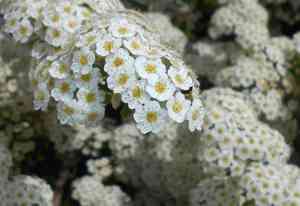
The most favorable period for relocating asian meadowsweet is during the peak of spring, leveraging the temperate conditions for root development. Select a sunny location featuring permeable earth to guarantee a smooth adjustment and robust proliferation.
Essential Preparations Before Relocating Asian Meadowsweet
Optimal Period for Relocating Asian Meadowsweet?
The ideal window for moving asian meadowsweet is during the sweet spot of mid to late spring. This timing offers the perfect blend of warming soil and increasing daylight, fostering robust root development before summer's peak. Transplanting then gives asian meadowsweet the best chance to settle, benefiting from spring's mild temperatures and consistent moisture, which promotes healthy growth. Embrace this period for a vibrant, thriving asian meadowsweet display in your garden.
Recommended Spacing Between Asian Meadowsweet Plants?
Preparing to plant your asian meadowsweet? Remember to plan your spacing. Ensure a distance of approximately 4-6 feet (1.2-1.8 meters) between each plant. This will provide ample room for them to grow and flourish. Happy gardening!
Ideal Soil Mixture for Asian Meadowsweet Relocation?
The soil, my friend, is another key factor for your asian meadowsweet. They flourish best in well-drained, loamy soil. Enriching the soil with an organic-rich base fertilizer will greatly support their development. It's a worthwhile effort!
Choosing a New Location for Your Asian Meadowsweet?
Sunlight is vital for your asian meadowsweet. Therefore, select a spot that receives abundant sunlight; full sun is crucial. However, some afternoon shade during the hottest part of the day can be advantageous. Remember, every ray of sunshine counts!
Equipment Needed Before Relocating Asian Meadowsweet?
Gardening Gloves
To safeguard your hands while working with the soil and excavating around asian meadowsweet's root system.
Garden Spade or Shovel
For digging around the asian meadowsweet at its current spot and preparing the new planting site.
Garden Trowel
A smaller implement useful for extracting smaller asian meadowsweet from containers or seedling trays.
Watering Can
To thoroughly hydrate the asian meadowsweet before and after its relocation.
Wheelbarrow or Garden Cart
To move the asian meadowsweet from its original position to its new one, especially if it's a larger specimen.
How to Extract Asian Meadowsweet from the Ground?
How to Extract Asian Meadowsweet from the Ground?
From Ground: First, lightly water the asian meadowsweet plant to prepare the soil. Use a spade to carefully dig a wide circle around the plant, ensuring the plant's root ball remains intact. Gently work the spade beneath the root ball to lift the plant, taking care not to harm the roots.From Pot: If the asian meadowsweet is currently in a pot, begin by watering it to moisten the soil and facilitate removal. Tilt the pot sideways and apply gentle pressure to the sides to loosen the root ball. Pull from the base of the plant, not the stem, to prevent damage.From Seedling Tray: Seedlings are typically delicate, so be careful not to injure the young asian meadowsweet. Water the tray adequately, then use your fingers or a small trowel to carefully lift out the seedling, aiming to keep as much of the original soil around the roots as possible.
Step-by-Step Guide for Relocating Asian Meadowsweet
Preparation
Begin by thoroughly watering your asian meadowsweet in its current location. If moving from a pot or seedling tray, let it sit for a few moments after watering for easier extraction.
Digging
Excavate a hole in the new spot that is twice as wide and equal in depth to the asian meadowsweet's root ball. This ensures the roots have ample space to spread and establish.
Planting
Carefully place the asian meadowsweet into the prepared hole, ensuring it sits at the same depth as it did in its original position.
Backfilling
Fill the area around the asian meadowsweet with the removed soil, gently pressing it down around the plant's base to eliminate any air pockets.
Watering
Water the asian meadowsweet generously immediately after planting to settle the soil and aid the plant in recovering from the relocation shock.
Post-Transplant Care for Asian Meadowsweet
Immediately_After_Transplant
Water the asian meadowsweet thoroughly after placing it in its new home. Aim to keep the soil consistently moist as the plant adapts to its new environment.
Ongoing_Care
Regularly monitor the asian meadowsweet's health after transplanting. Watch for any signs of stress, such as wilting or yellowing leaves, which may indicate the plant is struggling in its new surroundings. Consistent gentle care can help your asian meadowsweet adjust and flourish in its new location.
Pruning
Refrain from any significant pruning immediately after transplanting; allow the asian meadowsweet to prioritize root development. Pruning can be performed once the plant is well-established in its new spot.
Addressing Common Issues with Asian Meadowsweet Relocation.
When is the optimal time to relocate asian meadowsweet?
The best season to move asian meadowsweet is from late summer to early fall (S2-S3). During this period, the plant can establish its root system in the new location before winter arrives.
What spacing is needed between each asian meadowsweet when relocating?
Asian meadowsweet requires ample room for healthy growth. An ideal spacing of approximately 4-6 feet (1.2-1.8 meters) between each plant is recommended.
How much sunlight does asian meadowsweet require after relocation?
Asian meadowsweet thrives in full sun to partial shade. Ensure the new site receives at least 4-6 hours of sunlight daily for optimal development.
How should I prepare the soil for relocating asian meadowsweet?
Before relocating, loosen the soil to about 12 inches (30 cm) deep and enrich it with organic matter or compost. This will improve drainage and fertility, benefiting asian meadowsweet's growth.
What depth should the hole be for relocating asian meadowsweet?
When relocating asian meadowsweet, dig a hole that is twice as wide and just as deep as the plant's root ball. This provides its roots with plenty of room to expand.
Any advice on watering asian meadowsweet after relocation?
Water asian meadowsweet thoroughly after relocating, making the surrounding soil moist but not waterlogged. Continue to water it regularly, keeping the soil consistently moist until it establishes.
How do I confirm asian meadowsweet has successfully established after relocation?
Monitor asian meadowsweet over the subsequent weeks for signs of stress, such as wilting or yellowing leaves, which could indicate problems with root establishment. Address any issues promptly.
Should I use fertilizers when relocating asian meadowsweet?
Fertilizers can assist asian meadowsweet in establishing quickly in its new location. Use a balanced slow-release fertilizer according to the recommended dosage on the packaging.
How should I handle asian meadowsweet's roots during relocation?
Handle asian meadowsweet's roots with care to prevent damage. Spread the roots out into the hole when relocating, ensuring they are not compressed or circling.
What if asian meadowsweet doesn't seem to flourish after relocation?
If asian meadowsweet appears to be struggling, check its watering, soil condition, and light exposure. Stress can also stem from pests or diseases, so watch for anything unusual.



