The Asian meadowsweet Plant Advantage: Maximizing Home and Office Appeal and Wellness
1
Perfect for gardens needing little upkeep, Asian meadowsweet needs very little trimming after it's settled.
2
Asian meadowsweet draws in pollinators, boosting the variety of life in your garden.
3
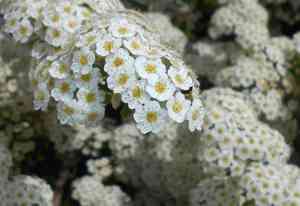
Features beautiful white blossoms that enhance the visual charm of any outdoor space.
Why Select Asian Meadowsweet for Your Garden?
Effortless Beauty
A primary benefit of Asian meadowsweet is its minimal upkeep. Once rooted, this hardy plant needs little trimming or attention. This allows you to enjoy a lovely, flourishing garden without extensive labor. It's a superb option for busy gardeners or those preferring a less hands-on approach.
Drought Resilience
Asian meadowsweet is also recognized for its ability to withstand dry conditions. This plant can flourish in diverse soil types and endure periods of scarce rainfall. Consequently, it's an excellent addition to gardens in drought-prone regions or for gardeners aiming to conserve water.
Boosting Biodiversity
Another significant advantage of Asian meadowsweet is its capacity to draw pollinators. The plant's blooms are especially attractive to bees and butterflies, making it a great choice for supporting local wildlife. By incorporating Asian meadowsweet into your garden, you can contribute to the health and variety of your local ecosystem.
Visual Appeal of Asian Meadowsweet
Striking White Blooms
Asian meadowsweet produces lovely clusters of white flowers, which can brighten any garden area. These blossoms not only add visual interest but also foster a calm and tranquil atmosphere. The plant flowers profusely in spring, offering a spectacular display for everyone to enjoy.
Flexible Planting Choices
This plant is remarkably adaptable regarding planting arrangements. Whether you prefer it as a border plant, a solitary shrub, or part of a mixed planting scheme, Asian meadowsweet integrates well into various garden designs. Its compact size and pleasing form make it an excellent addition to both small and large spaces.
Environmental Advantages of Asian Meadowsweet
Erosion Control
Asian meadowsweet possesses a robust root system, making it effective at preventing soil erosion. Planting it on inclines or in areas susceptible to soil movement can help stabilize the ground and prevent soil loss. This is particularly beneficial for gardens situated in hilly or unstable terrains.
Air Quality Improvement
Plants, in general, are known for their capacity to enhance air quality, and Asian meadowsweet is no exception. By absorbing pollutants and releasing oxygen, Asian meadowsweet can contribute to a healthier environment. This makes it an excellent plant not just for gardens but also for urban areas where air quality might be a concern.
How to Grow Asian Meadowsweet in Your Garden
Ideal Soil Conditions
Asian meadowsweet thrives in well-draining soil with a neutral to slightly acidic pH. While it can tolerate various soil types, ensuring good drainage will help the plant establish more quickly and remain healthy. Adding compost or organic matter to the soil can improve its structure and fertility.
Sunlight Requirements
This plant prefers full sun to partial shade. At least six hours of sunlight daily is optimal for promoting vigorous growth and abundant flowering. However, Asian meadowsweet is also quite adaptable and can tolerate some shade without significant loss of vitality.
Common Pests and Diseases
Identifying Typical Pests
While Asian meadowsweet is generally hardy, it can occasionally be affected by common garden pests such as aphids, spider mites, and whiteflies. Regular observation and prompt action are crucial for managing these pests. Natural predators like ladybugs can also help control pest populations.
Preventing Illnesses
Fungal diseases like powdery mildew and root rot can sometimes impact Asian meadowsweet. Ensuring good air circulation and avoiding over-watering are effective ways to prevent these issues. If you notice signs of disease, removing affected plant parts and applying appropriate fungicides can lessen the damage.



