How to Prune Asian meadowsweet?
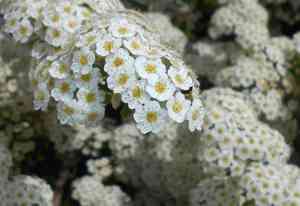
This deciduous shrub, a member of the Rosaceae family, displays groupings of small, white blossoms and lobed foliage. For asian meadowsweet, trimming ought to be performed after flowering in late spring or early summer to stimulate fresh development and preserve its form. Essential methods involve reducing aged wood, snipping off faded blooms, and judiciously eliminating congested branches to enhance air movement. Consistent pruning guarantees a lively floral exhibition and a robust, well-formed specimen.
Advantages of Trimming Spiraea japonica
Advantages of Trimming Spiraea japonica
Trimming asian meadowsweet promotes more abundant flowering by removing spent blossoms and stimulates fresh growth, decreasing the chance of pest issues and illness through improved air circulation and light penetration.
Optimal Period for Pruning Asian Meadowsweet
Optimal Period for Pruning Asian Meadowsweet
Pruning asian meadowsweet in late spring and early summer aligns with its post-flowering growth cycle. This timing is ideal as it allows for the removal of faded blooms and encourages new development, leading to a healthier and more attractive plant. Trimming immediately after flowering enables shaping without sacrificing next year's blossoms, as asian meadowsweet forms buds on new wood. Removing dead or diseased branches at this time enhances air circulation and lowers the risk of pests or diseases. Furthermore, the mild weather conditions in late spring and early summer aid the plant's rapid recovery and revitalization after pruning.
Essential Tools for Pruning Asian Meadowsweet
Bypass Pruners
Perfect for precise cuts on asian meadowsweet, bypass pruners feature two curved blades that glide past each other like scissors, ensuring clean, healthy cuts on stems and small branches. Suitable for diameters up to 3/4 inches.
Loppers
For branches slightly larger in diameter, loppers offer the reach and leverage needed to cut through asian meadowsweet's tougher stems, typically up to 2 inches in diameter, without harming the plant.
Pruning Saws
When asian meadowsweet has matured and developed branches thicker than 2 inches, pruning saws are indispensable. Their sharp teeth and ergonomic handle facilitate cutting through thick wood without tearing.
Hedge Shears
Asian meadowsweet often grows as a dense shrub; thus, hedge shears are appropriate for shaping and maintaining its outer form. They help in cutting multiple thin stems simultaneously for a uniform appearance.
Hand Pruners
For detailed work and deadheading asian meadowsweet, hand pruners provide accuracy for snipping off spent blooms and light foliage, encouraging more prolific flowering in the subsequent season.
How to Prune Asian Meadowsweet
Remove Diseased And Dead Material
Locate and carefully cut away any diseased leaves, withered leaves, dead branches, and diseased branches from asian meadowsweet. Sanitize pruning tools before and after to prevent the spread of disease.
Thin Out Old Wood
Identify and remove any old or weak canes at the base to encourage new growth and improve air circulation within asian meadowsweet.
Shape Plant
Shape asian meadowsweet by selectively pruning excessive growth branches. Trim back to a set of leaves facing the desired direction of new growth to maintain the plant's natural form.
Deadhead Flowers
Remove withered flowers from asian meadowsweet to encourage new blooms and prevent self-seeding, if not desired.
Maintenance Pruning
Conduct overall maintenance by trimming back any irregular or overlong shoots to maintain the desired size and shape of asian meadowsweet.
Common Pruning Mistakes with Asian Meadowsweet
Overpruning
Cutting back asian meadowsweet too severely can hinder its ability to flourish. Asian meadowsweet requires only light to moderate pruning to maintain its shape and encourage new growth.
Improper Cut Locations
Making cuts randomly rather than just above a set of leaves or a bud can lead to uneven growth and damage the plant. Ensure that cuts are clean and positioned to encourage outward growth.
Neglecting To Remove Dead Wood
Failing to remove dead, diseased, or damaged wood can lead to pest infestations and disease in asian meadowsweet. Regular inspection and removal of such growth are crucial.
Using Dull Tools
Using dull pruning tools can cause damage and ragged cuts that can invite disease and pest problems in asian meadowsweet. Always use sharp, clean pruning tools for the healthiest cuts.
Not Pruning At All
Although excessive pruning is harmful, completely skipping the pruning process can result in a disheveled appearance and reduced vigor for asian meadowsweet. Light pruning is beneficial for maintaining a tidy shape and promoting healthy growth.
Common Pruning Tips for Asian Meadowsweet
Sanitation
Prioritize tool sanitation, especially when moving between different plants. Disinfect your pruning tools with a solution of bleach or alcohol to prevent spreading disease to or from asian meadowsweet.
Timing Of Cuts
Even though the best season for pruning is excluded, the timing of your cuts during the pruning session is crucial. Make cuts at a 45-degree angle just above a bud that faces the outside of the plant, which will direct new growth outward and ensure good air circulation.
Thinning Out
Rather than just shortening branches, focus on thinning out asian meadowsweet from the center. This maintains a natural growth habit and improves air flow, reducing the incidence of fungal diseases.
Gradual Pruning
If rejuvenation is necessary, stagger heavy pruning over a few seasons. For asian meadowsweet, gradual renewal allows the plant to recover while maintaining an attractive shape and continuous bloom.
Post-Pruning Care
After pruning asian meadowsweet, apply a layer of mulch and provide adequate water to support recovery and new growth. However, be careful not to overwater, as proper moisture balance is important for the health of asian meadowsweet.



