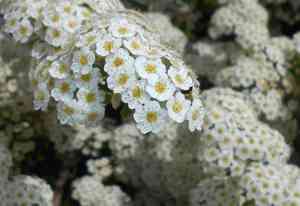
Asian meadowsweet (Spiraea trilobata)
Also known as: Three-lobed Spiraea, Three-lobed Meadewsweet
The Butterfly Bush (Buddleja davidii) is a robust deciduous shrub capable of thriving in many soil conditions under both full sun and partial shade. Originally from central China, this plant is now popular in gardens worldwide. It produces clusters of small, fragrant flowers that are particularly attractive to butterflies.
In This Article
Attributes of Asian meadowsweet
Lifespan
Perennial
Plant Type
Shrub
Plant Height
1 m to 2 m
Spread
90 cm to 1.5 m
Leaf Color
Green Blue
Flower Size
6 mm to 8 mm
Flower Color
White
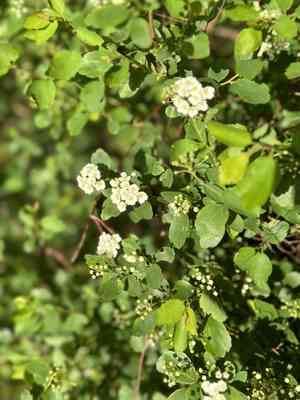
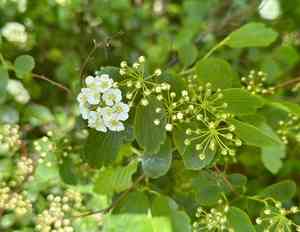
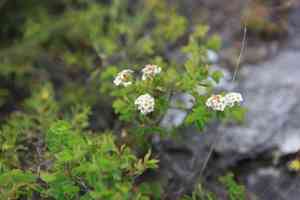
Images of Asian meadowsweet
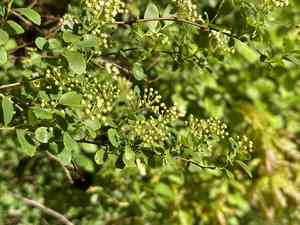
Quickly Identify Asian meadowsweet
1
Stout, vertical growth reaching 3-4 feet (90-120 cm) in height.
2
Distinct three-lobed, blue-green leaves with a coarse, toothed edge.
3
Small, delicate white flowers in dense symmetrical clusters, 0.7 to 1.5 inches (1.8 to 3.8 cm) in diameter.
4
Leaves glaucous bluish-green, ovate with three lobes, 1/2 to 1 inch (1.3 to 2.5 cm) long.
5
Branches spread out gracefully, maintaining a neat, compact shape post-bloom.
Scientific Classification of Asian meadowsweet
Phylum
Vascular plants
Class
Dicotyledons
Order
Rosales
Family
Rose
Genus
Spirea
Species
Asian meadowsweet
Planting and Growing of Asian meadowsweet
Care Difficulty
Easy
Watering Schedule
Every 3 days
Sunlight Requirements
Full sun
Sunshine Duration
4-6 hours
Ideal Temperature
50-77℉
Soil Type
Potting Mix, Peat Mix
Soil pH
6.5-7.5
Fertilizer Type
Balanced
Pruning Season
Spring, Summer
Pruning Area
Branches, Leaves
Pruning Frequency
2 times a year
Repotting Season
Spring
Pot Type
Plastic, Ceramic
 How to Water Asian meadowsweet?
For Spiraea trilobata, the watering amount should be around 300 ml per session. It's essential to ensure the soil is evenly moist, but not waterlogged. You should aim for soil that is slightly damp to the touch, not soaked. Watering should allow the soil to absorb moisture, letting excess water drain out completely.
What are the symptoms of an underwatered Asian meadowsweet?
›
What should I do if my Asian meadowsweet is not getting enough water?
›
What are the symptoms of an overwatered Asian meadowsweet?
›
How to save an overwatered Asian meadowsweet?
›
 What Are the Sunlight Requirements for Asian meadowsweet?
Spiraea trilobata thrives in areas with full or partial sun. Ideally, it benefits from several hours of direct morning sun combined with afternoon shade. This regimen supports lush foliage and abundant, vibrant blooms.
More About Sunlight Requirements Techniques→
How much sun does Spiraea trilobata need daily?
›
What solution ensures Spiraea trilobata receives ideal lighting?
›
What benefits does ideal lighting offer Spiraea trilobata?
›
 What Is the Ideal Temperature Range for Asian meadowsweet?
The ideal temperature range of 50°F to 77°F provides the optimal conditions for Spiraea trilobata to grow and thrive. This range ensures that the plant can photosynthesize efficiently without undergoing thermal stress. In this temperature range, the plant's metabolic processes are well-balanced, contributing to healthy growth and the production of flowers.
 What Soil is Best for Asian meadowsweet?
Spiraea trilobata thrives in well-drained soil, which helps prevent waterlogged roots and facilitates nutrient absorption. This requirement ensures healthy growth and reduces the risk of root rot. This plant benefits from nutrient-rich soil, which supports lush foliage and abundant flowering. A soil enriched with organic matter provides essential nutrients and encourages robust plant development. While Spiraea trilobata prefers well-drained soil, it also demands some moisture retention to sustain growth during dry periods. This balance helps maintain hydration without causing water stress.
 How to Fertilize Asian meadowsweet?
For Spiraea trilobata, the recommended fertilizer amount is light. This plant thrives on a balanced 10-10-10 liquid fertilizer. Use approximately one tablespoon per gallon of water during active growth seasons, typically spring and early summer.
 How to Prune Asian meadowsweet?
Begin by removing any dead, damaged, or crossing branches to open up the shrub and improve airflow, reducing disease risk. Trim back new growth to maintain a neat shape, ensuring the hedge remains both attractive and functional. After flowering, trim the spent blooms and lightly shape the plant to promote new growth and blossoms for the next season.
More About Pruning Techniques→
 How to Propagate Asian meadowsweet plant?
1
Choose healthy, non-flowering stems that are about 10-15 cm long from the parent Spiraea trilobata plant. Ensure the base is free of flowers and flower buds for better root development.
2
Dip the cut end of each cutting in rooting hormone to encourage root growth. This step is crucial for increasing the chances of successful rooting.
3
Insert the prepared cuttings into a moist and well-drained growing medium such as a mix of perlite and peat moss. Keep them in a warm and humid environment.
 How to Repot Asian meadowsweet plant?
1
Look for signals like roots protruding from the drainage holes or the soil drying out too quickly after watering. These are signs Spiraea trilobata needs a bigger space. Spring is ideal because the plant will be in its growth phase, allowing it to recover more quickly.
2
Opt for a pot that is one size larger than the current one, preferably with drainage holes. This prevents overwatering, allowing excess moisture to escape, and supports healthier root development. Terra cotta pots are good for providing extra aeration.
3
A well-draining potting mix enriched with organic matter is best for Spiraea trilobata. It provides essential nutrients and ensures excess water doesn't drown the roots, fostering a healthy and thriving plant.



