How to Propagate Asian meadowsweet?
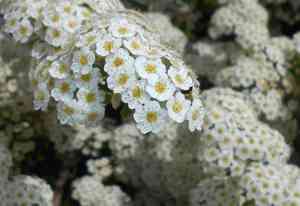
Asian meadowsweet can be successfully multiplied via cuttings. Choose a robust, non-blooming stem section and sever it directly beneath a leaf joint. This segment is subsequently positioned in a rooting substrate; a sterile, moist blend will stimulate root formation. To accelerate development, it is advantageous to sustain elevated humidity and warmth surrounding the cutting. These circumstances facilitate the emergence of roots, following which the cutting can be transferred to soil. Supplying consistent moisture and shielding from direct sunlight during the initial period will improve the establishment of asian meadowsweet.
Optimal Time for Asian Meadowsweet Propagation
Propagation Type
Cutting
Propagation Season
Autumn,Winter
Tools for Asian Meadowsweet Propagation
Sharp Pruning Shears
These shears are vital for making clean, precise cuts when harvesting stems from asian meadowsweet. Sharp blades prevent crushing or damaging tissue at the cut site, which is crucial for new root development.
Rooting Hormone
This chemical substance promotes root growth from asian meadowsweet stem cuttings. Applying it to the freshly cut end boosts successful rooting by encouraging quicker, more robust root development, essential for new plant health and stability.
Sterile Potting Mix
A sterile potting mix ensures asian meadowsweet cuttings are planted in a disease-free environment, reducing fungal or bacterial infection risks common in new cuttings. The mix should offer good drainage and support for young roots.
Propagation Trays
These trays organize and support asian meadowsweet stem cuttings in a controlled setting. Often with humidity domes, they help maintain optimal moisture and temperature, critical for effective root growth in cuttings.
Heat Mat
Placing a heat mat under propagation trays significantly improves asian meadowsweet rooting success by providing consistent, suitable warmth. Heat is key for stimulating root development in cuttings, especially in cooler climates or seasons.
Propagating Asian Meadowsweet
Propagation Type
Moderately Difficult
Caring for Newly Propagated Asian Meadowsweet
How to Care for Your Newly Propagated Asian Meadowsweet?
Once asian meadowsweet cuttings have rooted, gradually acclimate them to normal conditions by slowly removing the protective cover and reducing humidity. Ensure regular watering without over-saturating the soil. Place young plants in partial to full sunlight, and begin a monthly feeding program with a balanced, water-soluble fertilizer during the growing season. Monitor for pests and diseases regularly, and prune annually to promote bushier growth and maintain an attractive shape.
Common Propagation Mistakes for Asian Meadowsweet
Overwatering cuttings
Excessive water can lead to root rot in cuttings before establishment, reducing successful propagation chances.
Ignoring soil requirements
Using poorly draining or infertile soil can result in weak root development and growth, as asian meadowsweet prefers well-drained, fertile soil.
Not providing enough light
Asian meadowsweet needs ample sunlight to root properly. Insufficient light can cause leggy growth and weak, underdeveloped plants.
Planting cuttings too deep
Burying cuttings too deeply can cause them to rot before rooting, due to a lack of necessary air circulation around the stem.
Overlooking pests and disease
Failure to monitor for pests and diseases can lead to infestations or infections that hinder or kill propagating asian meadowsweet cuttings.
Neglecting to hard off transplants
Moving transplants outdoors without acclimating them can cause shock from sudden environmental changes, potentially harming or killing young plants.
Tips For Propagating Asian Meadowsweet
Use healthy parent plants
Select cuttings from vigorous, disease-free parent plants to boost success rates, as they are more likely to root and grow into healthy offspring.
Prepare cuttings properly
Cuttings should be taken with a clean, sharp tool and include several leaf nodes. A slanted cut increases the area available for root growth.
Maintain adequate moisture
Soil or growing medium should be kept moist but not waterlogged to support initial root development without causing rot or fungal issues.
Provide indirect light
Position cuttings where they receive ample indirect light, essential for rooting without the stress of direct sun.
Use rooting hormone
Applying rooting hormone to the cut end of asian meadowsweet cuttings can encourage faster and more reliable root formation.
Monitor for health issues
Regularly check for signs of pests and disease, addressing any issues promptly to ensure cuttings grow into healthy, robust plants.



