How to Transplant Steeplebush?
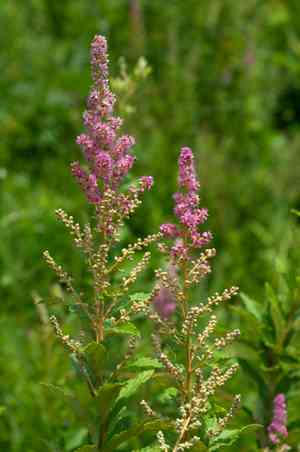
The optimal period for transplanting steeplebush spans from mid to late spring, coinciding with its active growth phase. Select a location that receives ample sunlight and has damp earth. During the relocation process, protect the root system to facilitate a smooth establishment in its new environment.
Preparations Required Before Relocating Steeplebush
Optimal Period for Steeplebush Relocation?
The ideal time for moving steeplebush is from late spring to early summer. This timeframe provides a balanced mix of mild temperatures and sufficient development time before winter, ensuring steeplebush's root system establishes effectively in its new spot. Shifting steeplebush during this season aligns with its natural growth cycle, boosting survival rates and vitality. By transplanting steeplebush then, you offer it the gentle warmth and increasing daylight it needs for a smooth transition and robust future growth.
Recommended Spacing Between Steeplebush Plants?
For steeplebush, ensure each plant has ample room to expand. Ideally, they should be positioned approximately 3-4 feet (0.9-1.2 meters) apart. This spacing guarantees sufficient area for root development and abundant foliage growth.
Best Soil Blend for Steeplebush Transplanting?
Steeplebush thrives in slightly acidic, well-draining soil. It's advisable to enrich the transplant site with organic material, such as compost or aged manure, before planting. This will improve soil condition and provide a nutrient-rich foundation for your steeplebush.
Where to Replant Your Steeplebush?
Sunlight is vital for steeplebush's development. Select a garden spot with full sun to partial shade conditions. This means a minimum of six hours of direct sunlight daily, promoting healthier plants and more abundant blooms.
Equipment Needed Before Transplanting Steeplebush?
Gardening Trowel
A trowel is crucial for excavating planting holes of the appropriate size. Ensure the one you select is robust.
Gardening Gloves
To safeguard your hands while handling soil and steeplebush.
Pruning Shears
For trimming any dead or damaged sections of the steeplebush. Your shears should be sharp and clean.
Watering Can
You will need to thoroughly water the steeplebush after its relocation.
How to Extract Steeplebush from the Ground?
How to Extract Steeplebush from the Ground?
From Ground: First, water the steeplebush plant the day before to moisten the soil. This reduces the likelihood of root damage. Gently dig around the plant with a gardening trowel, maintaining a safe distance to avoid harming the root system. Try to keep as much of the root ball intact. Carefully lift the plant from the soil.From Pot: Water the steeplebush plant thoroughly a few hours before transplanting, as a moist plant is easier to remove from its pot. Turn the pot sideways, hold the steeplebush at its base, and gently pull and twist the pot to release the plant.From Seedling Tray: Water the seedlings adequately and allow them to absorb the moisture. Use a small tool or stick to loosen the soil around the seedling, then carefully lift the steeplebush by its root.
Step-by-Step Guide for Relocating Steeplebush
Plant Health Assessment
Inspect the steeplebush for any indications of disease or pests before moving it. Remove any dead, unhealthy, or compromised parts using pruning shears.
Preparing the New Site
Dig a hole in your chosen planting location. It should be twice as wide and as deep as the root-ball of your steeplebush plant.
Placing the Plant
Carefully position the steeplebush plant in the hole. The top of the root ball should be level with or slightly above the surrounding soil.
Completing the Process
Backfill the remainder of the hole with the excavated soil. Gently press the soil down to eliminate air pockets.
Watering
Thoroughly water your steeplebush plant.
Post-Transplant Care for Steeplebush
Mulching
Apply a layer of organic mulch around the steeplebush, ensuring it doesn't touch the stem. This helps retain moisture and suppress weeds.
Pruning
If the steeplebush has established and begun to grow, consider light pruning to encourage root development.
Monitoring
Keep a close watch for any signs of pests or disease. Address them promptly if they appear.
Resolving Common Issues with Steeplebush Transplantation.
When is the best time to move steeplebush?
The prime window for uprooting and relocating steeplebush is between the second and fourth seasons.
Why does my steeplebush appear stressed after being moved?
Steeplebush might show stress due to transplant shock. Ensure adequate watering and avoid direct sunlight.
What spacing should I use for steeplebush during transplantation?
For optimal growth, aim for a gap of approximately 3-4 feet (about 90-120 cm) between each steeplebush.
What is the correct planting depth for steeplebush when transplanting?
Excavate a hole deep enough to cover the root ball, allowing for about 2 inches (5 cm) of soil on top.
Why isn't my newly transplanted steeplebush thriving?
Steeplebush might not be receiving enough sunlight or moisture, or the soil may lack sufficient nutrients. Adjust as needed.
How should I water transplanted steeplebush?
Water steeplebush regularly, saturating the soil thoroughly. Be careful not to overwater and drown the plant.
Should I prune steeplebush when transplanting?
Yes, pruning helps reduce transplant shock, but be cautious not to over-prune as it could further stress the plant.
Why are the leaves of my transplanted steeplebush turning yellow?
Yellowing leaves can indicate overwatering or a nutrient deficiency. Checking the soil and providing essential plant food can help.
How can I safeguard my transplanted steeplebush from pests?
Regularly inspect for pests and ensure your steeplebush has a healthy environment. Use organic pesticides if necessary.
Can I transplant steeplebush into a pot?
Absolutely! Just ensure the pot is sufficiently large for the plant's growth and has adequate drainage.



