Enhancing Your Garden Design with the Steeplebush Plant: A Landscaping Guide
1
Steeplebush is a adaptable plant suitable for diverse garden environments.
2
Steeplebush tolerates various soil compositions, but favors damp environments.
3
When positioned correctly, Steeplebush can serve as a centerpiece in your seasonal garden.
Introducing Steeplebush in Landscape Design
Why is Steeplebush an excellent choice for landscaping?
When designing your garden, selecting appropriate plants is crucial. Steeplebush offers adaptability and simple care, making it a superb option for both new and seasoned gardeners. Its capacity to thrive in diverse soils and climates means it can flourish in many settings, providing continuous appeal and beauty. Furthermore, its minimal upkeep requirements allow you more time to enjoy your garden instead of working in it.
Visual characteristics of Steeplebush: An overview
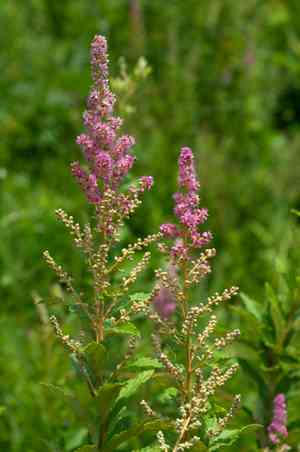
Steeplebush is valued for its striking appearance. It features slender, upright stems crowned with dense clusters of small, vibrant flowers that form an eye-catching spire-like shape. The leaves transition from a deep green in spring and summer to a warm golden shade in autumn, adding seasonal color to your landscape. This changing palette, combined with its distinct form, makes Steeplebush a prominent choice for any garden layout.
Optimal Placement for Steeplebush in Your Garden
Ideal spots for planting Steeplebush in your outdoor space
To achieve the best visual and growth outcomes, it's important to consider where you position Steeplebush in your garden. As a versatile shrub, Steeplebush can be planted along garden edges, within mixed shrub beds, or as a standalone focal point. When selecting a location, look for areas that receive full sun to partial shade. This will ensure Steeplebush gets the light it needs to flourish while allowing it to become a natural highlight in your garden.
Evaluating soil and sunlight needs
While Steeplebush adapts to various soil conditions, it thrives best in moist, well-drained soils. Before planting, assess your garden's soil type and consider enriching it with organic matter to improve moisture retention. Steeplebush can also tolerate partial shade, but for the most vigorous growth and abundant flower production, aim to plant it where it will receive at least six hours of direct sunlight daily.
Integrating Steeplebush into Garden Design Themes
Incorporating Steeplebush into various garden styles
Whether you're aiming for a cottage garden feel, a formal landscape, or a naturalized setting, Steeplebush can seamlessly integrate into diverse garden styles. Its bushy, upright growth habit complements both structured designs and wild, freeform arrangements. In a cottage garden, pair Steeplebush with other flowering perennials to create a lush, informal look. For a more formal garden, Steeplebush's consistent height and uniform appearance can be utilized for well-ordered planting schemes.
Creating focal points using Steeplebush
One of the most effective ways to use Steeplebush is as a central feature in your garden. Its distinct architectural form and striking flower clusters naturally attract attention, making it an excellent centerpiece in a planting bed or at the end of a path. To create a dramatic effect, consider planting it in groups or rows. This amplifies its visual presence, ensuring that Steeplebush captures attention and enhances the overall aesthetic of your landscape.
Year-Round Garden Appeal with Steeplebush
Seasonal transformations in Steeplebush's appearance
One of Steeplebush's exceptional qualities is its ability to provide visual interest throughout the year. In spring and summer, the plant's rich green foliage offers the perfect backdrop for its striking pink flower clusters. As the seasons transition to autumn, the foliage changes to a warm golden-yellow, providing a beautiful contrast to the evolving landscape. Even in winter, the dried flower heads and bare stems add texture and interest to your garden.
How Steeplebush contributes to a four-season landscape
To maximize your garden's appeal year-round, incorporate Steeplebush as a key element of your landscape design. Its seasonal transformations ensure there's always something new to admire, from the budding foliage of spring to the enduring winter structure. By choosing plants like Steeplebush that offer multi-seasonal interest, you'll create a dynamic and ever-changing garden that never loses its charm.
Pairing Steeplebush with Other Plants
Ideal companion plants for Steeplebush
To truly make Steeplebush stand out, consider pairing it with companion plants that complement its growth and color. Perennials like coneflowers, black-eyed Susans, and ornamental grasses enhance Steeplebush's visual impact with contrasting textures and colors. Shrubs such as hydrangeas and azaleas can also be excellent partners, providing a diversity of height and floral interest that enhances the overall garden design.
Tips for harmonious plant pairings
Creating a harmonious garden involves more than selecting attractive plants; it's about finding the right balance between different growth habits and bloom times. When combining Steeplebush with other plants, consider factors such as mature plant size, bloom periods, and foliage texture. Aim for a mix of plants that offer continuous blooms throughout the growing season, and include a variety of foliage types to maintain visual interest even when flowers are not in bloom. This approach will ensure that your garden remains balanced, aesthetically pleasing, and vibrant all year long.



