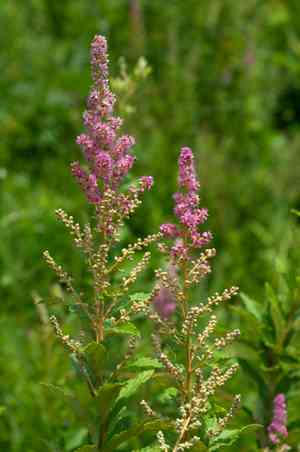
Steeplebush (Spiraea tomentosa)
Also known as: Rosy Meadowsweet
*Spiraea tomentosa*, commonly known as meadowsweet or hardhack, is native to eastern North America. This flowering plant flourishes in wet soil and full sunlight.
In This Article
Attributes of Steeplebush
Lifespan
Perennial
Plant Type
Shrub
Plant Height
61 cm to 1.2 m
Spread
90 cm to 1.5 m
Leaf Color
Green
Flower Size
2.5 cm
Flower Color
Pink Purple
Images of Steeplebush
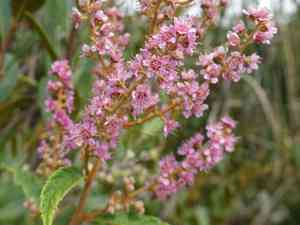
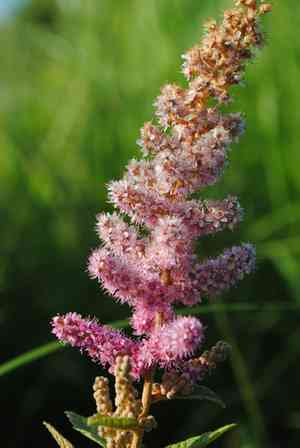
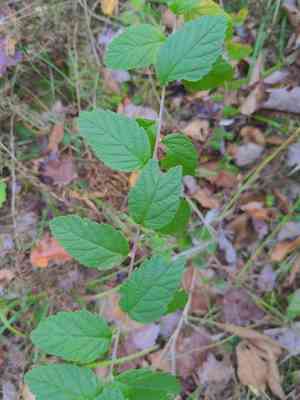
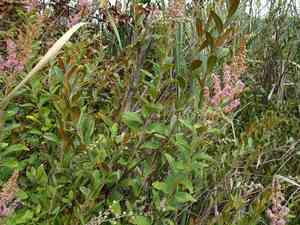
Quickly Identify Steeplebush
1
Dense, deciduous shrub reaching 4 feet (1.2 m) with multi-stemmed upright structure.
2
Leaves ovate, dark green, and fuzzy, with yellowish-brown hairs on the lower surface.
3
Clusters of tiny, five-petaled pink flowers in steeple-shaped inflorescences, blooming from July to September.
4
Fruit consists of small, ovoid brown follicles with short beaks, splitting open at maturity.
5
Stem terete and brown, covered in woolly brown hairs initially, later becoming hairless and woody.
Scientific Classification of Steeplebush
Phylum
Vascular plants
Class
Dicotyledons
Order
Rosales
Family
Rose
Genus
Spirea
Species
Steeplebush
Planting and Growing of Steeplebush
Care Difficulty
Easy
Watering Schedule
Every 4 days
Sunlight Requirements
Full sun
Sunshine Duration
6-10 hours
Ideal Temperature
60-75℉
Soil Type
Potting Mix, Peat Mix
Soil pH
4-6.5
Fertilizer Type
Balanced
Pruning Season
Spring, Summer
Pruning Area
Branches, Leaves
Pruning Frequency
Once a year
Repotting Season
Spring
Pot Type
Plastic, Ceramic
 How to Water Steeplebush?
For Spiraea tomentosa, it's essential to ensure the soil is moist but not soggy. Aim to water until the top 5 inches of soil are damp, which generally requires about 500 milliliters per session. Make sure the water seeps down to the roots without causing waterlogging.
What are the symptoms of an underwatered Steeplebush?
›
What should I do if my Steeplebush is not getting enough water?
›
What are the symptoms of an overwatered Steeplebush?
›
How to save an overwatered Steeplebush?
›
 What Are the Sunlight Requirements for Steeplebush?
Full sun to partial sun is ideal for Spiraea tomentosa, fostering robust growth and prolific blooming. Adequate light ensures vigorous health and optimizes flower production.
More About Sunlight Requirements Techniques→
What is the ideal light level for Spiraea tomentosa?
›
How can I ensure Spiraea tomentosa receives ideal light?
›
What are the benefits of ideal light for Spiraea tomentosa?
›
 What Is the Ideal Temperature Range for Steeplebush?
For optimal growth, Spiraea tomentosa thrives in temperatures ranging from 60°F to 75°F. This range provides a balanced environment mimicking the natural conditions the plant is accustomed to, optimizing metabolic processes and ensuring robust growth. Within these temperatures, moisture levels and sunlight play critical roles, making it ideal for this temperate climate shrub.
 What Soil is Best for Steeplebush?
Spiraea tomentosa thrives in soil that retains moisture well, as it ensures the roots stay hydrated. This quality is particularly beneficial during dry seasons, preventing the plant from wilting. Adequate drainage is crucial to prevent water from pooling around the roots, which can lead to rot. Designing your garden bed with a slight slope or using raised beds can enhance drainage, ensuring vital oxygen reaches the roots. Nutrient-rich soil laden with organic matter supports vigorous growth in Spiraea tomentosa. Incorporating organic compost can supply essential nutrients and foster a robust root system, resulting in a healthier, more vibrant plant.
 How to Fertilize Steeplebush?
When fertilizing Spiraea tomentosa, a balanced approach is essential. Use a diluted liquid fertilizer at half the strength of the recommended dosage on the label to ensure optimal growth without overwhelming the plant. For slow-release fertilizers, sprinkle a small handful around the base of the plant, ensuring that it is evenly distributed.
 How to Prune Steeplebush?
Begin by removing any dead or crossing branches. Focus on maintaining the shape by trimming around the plant's natural growth line. Remember to step back and assess your work regularly. Prune Spiraea tomentosa after it blooms in late spring to early summer. This ensures you won't cut off the flower buds for next year and allows the plant to recover before its next growth cycle.
More About Pruning Techniques→
 How to Propagate Steeplebush plant?
1
Gather seeds from mature Spiraea tomentosa plants in late summer as the seed heads turn brown. Ensure that the seeds are completely dry before storing them in a cool, dry place until spring planting.
2
Use well-draining soil mixed with compost to ensure nutrient availability and drainage. This is important to prevent water-logged roots, which can lead to root rot.
3
Sow seeds just below the soil surface in early spring. For cuttings, take 4-6 inch long cuttings, remove lower leaves, dip in rooting hormone, and plant in prepared soil in early spring.
 How to Repot Steeplebush plant?
1
You know it's time to repot Spiraea tomentosa when roots start to emerge from the drainage holes or the plant’s growth visibly slows. These signs show that the roots need more space to expand, and fresh soil is required for optimal nutrient access.
2
Select a pot that is about 2 inches larger in diameter than the current one. Ensure it has proper drainage holes to prevent waterlogging, which can lead to root rot. This size provides ample room for root growth, enhancing the plant's stability and vigor.
3
Opt for well-draining loamy soil to ensure good aeration and water retention, crucial for Spiraea tomentosa. This soil type allows roots to breathe while retaining sufficient moisture, promoting healthy growth and reducing the risk of root diseases.



