The Steeplebush Plant Advantage: Maximizing Home and Office Appeal and Wellness
1
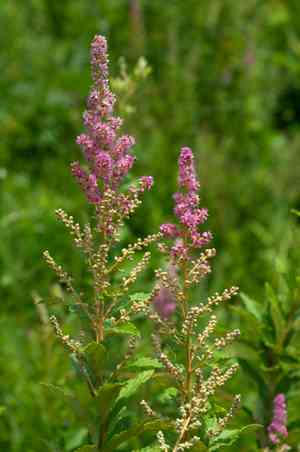
Spiraea tomentosa is a robust plant capable of flourishing in diverse soil conditions.
2
Its vivid pink blossoms draw in beneficial insects like bees and butterflies.
3
This plant is suitable for naturalistic garden designs to prevent soil erosion.
Why Opt for Steeplebush in Your Garden?
Resilience and Adaptability
A key characteristic of Steeplebush is its toughness and versatility. This plant can flourish in diverse soil conditions, including poor or degraded types. Its hardiness makes it perfect for gardeners with less-than-ideal soil. Furthermore, Steeplebush shows good resistance to pests and diseases, making it a low-effort choice for busy individuals.
Visually Appealing
From an aesthetic perspective, Steeplebush is striking. Its vivid pink flowers bloom in summer, adding a burst of color to your garden. These blossoms not only beautify the area but also create a lively atmosphere by attracting various pollinators like bees and butterflies. The plant's foliage also contributes a textured and layered look to garden beds and borders.
Environmental Advantages
Beyond its beauty and robustness, Steeplebush plays a vital ecological role. Its extensive root system helps prevent soil erosion, making it a valuable option for naturalized garden settings or areas prone to runoff. By stabilizing the soil, it not only improves the landscape's resilience but also fosters healthier ecosystems.
How Does Steeplebush Attract Pollinators?
A Sanctuary for Bees and Butterflies
Pollinators are essential for healthy ecosystems, and Steeplebush is a magnet for these beneficial insects. The plant's bright, fragrant flowers draw in bees and butterflies, which aids in the pollination of other plants in your garden. This, in turn, leads to a more robust and productive garden ecosystem.
Seasonal Flowering
One unique aspect of Steeplebush's bloom cycle is its capacity to produce multiple flushes of flowers throughout the growing season. This extends the period during which pollinators can visit your garden, ensuring a consistent supply of nectar and pollen over several months. This not only benefits the pollinators but also continuously enhances your garden's visual appeal.
Can Steeplebush Be Utilized for Erosion Control?
Stabilizing Loose Ground
Indeed, Steeplebush is particularly effective for managing erosion. Its deep root system is excellent for stabilizing loose or eroding soils. This characteristic makes it an ideal choice for hillsides, riverbanks, and other areas susceptible to erosion. By planting Steeplebush in these locations, you help secure the soil, reducing the likelihood of landslides or sediment runoff.
Beneficial for Water Management
In addition to stabilizing soil, Steeplebush assists in water management. Its roots absorb excess moisture, which can help lessen the effects of heavy rainfall and reduce the potential for waterlogging. This makes Steeplebush especially useful in rain gardens or other landscape areas designed to manage stormwater naturally.
What Are the Upkeep Requirements for Steeplebush?
Minimal Care Required
Steeplebush is known for needing little care once established. It requires moderate watering during its initial growth phase but is relatively drought-tolerant thereafter. Pruning is typically limited to removing dead or damaged stems and maintaining the plant's form.
Pest and Disease Resistance
Steeplebush exhibits strong resistance to most common pests and diseases, reducing the need for chemical treatments. This makes it an excellent choice for eco-friendly gardens, as it supports a balanced ecosystem without the use of harmful pesticides.



