How to Prune Steeplebush?
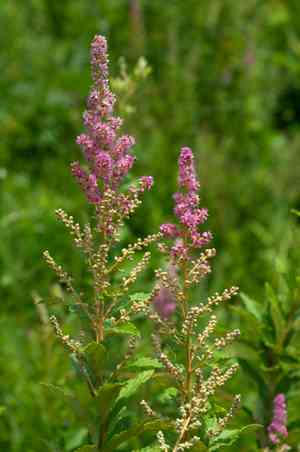
This resilient blooming bush, recognized for its thick leaves and vertical flower arrangements, thrives with consistent trimming. Essential pruning methods involve removing aged branches and snipping off faded blossoms to encourage fresh development. The most suitable periods for pruning are from late winter to early spring, prior to the emergence of new buds. For steeplebush, particular attention should be paid to preserving an unobstructed core to allow for ample sunlight and air circulation, thereby boosting the plant's health and the profusion of its flowers.
Advantages of Trimming Steeplebush
Advantages of Trimming Steeplebush
Trimming steeplebush promotes robust development and manages its dimensions, ensuring a dense, well-defined structure. This method results in a healthier shrub with enhanced vitality and visual appeal.
Optimal Period for Trimming Steeplebush
Optimal Period for Trimming Steeplebush
Trimming steeplebush in late winter or early spring is beneficial because the plant is dormant then. Removing dead or diseased branches causes less stress for steeplebush when it's not actively growing. Additionally, pruning before new spring growth allows steeplebush to heal cuts and direct energy into producing fresh, healthy shoots. This timing also aligns with steeplebush's flowering cycle, as it blooms on new wood; thus, pruning at this time encourages abundant blooms in the coming season.
Essential Tools for Trimming Steeplebush
Bypass Hand Pruners
Perfect for making clean cuts on thinner stems and for deadheading; minimizes harm to steeplebush's healthy growth that remains.
Lopping Shears
Suitable for cutting through thicker steeplebush branches that hand pruners cannot manage, offering leverage and cleaner cuts for branches up to 1.5 inches in diameter.
Pruning Saw
Helpful for larger branches that lopping shears cannot handle; enables precise cutting of mature wood without tearing.
Hedge Shears
Effective for shaping steeplebush into formal hedges or for trimming new growth; ensures uniform, neat cuts across multiple small stems.
Gardening Gloves
Protects hands from thorns and rough branches while trimming steeplebush, enhancing safety and comfort.
Pruning Sealer
Applied to seal large wounds on steeplebush after removing significant branches, reducing disease risk.
How to Trim Steeplebush
Identify
Inspect steeplebush thoroughly to locate diseased leaves, withered leaves, dead branches, and diseased branches that need removal.
Disinfect
Sanitize your pruning tools with rubbing alcohol or a 10% bleach solution to prevent disease spread when cutting steeplebush.
Cut Diseased Leaves
Carefully remove diseased and withered leaves from steeplebush by cutting at the base of the leaf stem, using clean and sharp hand pruners or scissors.
Prune Branches
Trim dead and diseased branches from steeplebush. Make cuts at a 45-degree angle, 1/4 inch above a healthy bud or set of leaves to promote proper healing and new growth.
Cleanup
Gather and discard all removed leaves and branches from steeplebush to lessen the chance of disease spreading. Do not compost diseased material.
Common Trimming Errors with Steeplebush
Over-trimming
Removing too much foliage at once can stress steeplebush, impeding its growth and flowering. It's vital not to cut back more than one-third of the plant in a single season.
Incorrect Cuts
Making jagged or torn cuts can create entry points for disease. Clean, angled cuts just above a set of leaves will encourage better healing.
Trimming Flowering Wood
Since steeplebush flowers on new wood, pruning too late in the season might remove the wood that would produce next year's flowers.
Neglecting to Remove Dead or Diseased Growth
Failing to cut away dead, diseased, or damaged stems can result in a less vigorous plant that is more susceptible to pests and diseases.
Using Dull Tools
Trimming with dull shears can damage stems, leading to improper growth. Always use sharp, clean tools for a precise cut.
Ignoring Plant Shape
Random or excessive cutting without considering steeplebush's natural shape can result in an unattractive form.
General Trimming Advice for Steeplebush
Focus on Dead/Diseased Wood
Regularly remove dead, diseased, or damaged wood as soon as you notice it, to maintain steeplebush's health and appearance.
Encourage New Growth
Trim steeplebush to stimulate new growth that supports flowering. This invigorates the plant and helps maintain its shape.
Maintain Plant's Natural Form
Follow the natural habit of steeplebush when trimming. Aim to retain its arching form for aesthetic appeal and robust health.
Promote Air Circulation
Thin out the center of steeplebush to improve air circulation, reducing the risk of fungal diseases due to moisture retention.
Support Rejuvenation
For an older steeplebush, consider periodic rejuvenation pruning to stimulate fresh growth. This involves cutting back the plant to the ground every few years.
Selective Thinning
Use selective thinning to remove some of the older canes at the base to invigorate the plant without changing its overall size and shape.



