How to Transplant False lily of the valley?
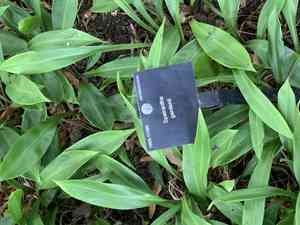
Relocating false lily of the valley is most successful from the end of spring through the beginning of summer, as it flourishes in partial shade. Provide fertile, damp earth, and carefully tend to the root zone following its move for best outcomes.
What Preparations are Needed Before Transplanting False Lily Of The Valley?
What is the Ideal Time for Transplanting False Lily Of The Valley?
The optimal period for relocating false lily of the valley is during early to mid-summer. This timeframe provides an excellent combination of warm soil and moderate temperatures, fostering root development without the stress of intense summer heat. Moving false lily of the valley at this time ensures it establishes itself firmly before winter, utilizing the growing season's favorable weather. This timing perfectly aligns with the plant's natural growth cycle, taking advantage of longer days and suitable conditions for root expansion, leading to a robust, thriving false lily of the valley.
How Much Space Should You Leave Between False Lily Of The Valley Plants?
When relocating false lily of the valley, ensure sufficient room for root expansion. Each plant should be positioned approximately 1-1.5 feet (30-45 cm) apart. This spacing will encourage healthier growth and minimize competition for nutrients and water.
What is the Best Soil Mix for False Lily Of The Valley Transplanting?
False lily of the valley prefers soil that drains well and is rich in humus. Before planting, enrich the soil by mixing in compost and a slow-release, granular fertilizer. This will supply initial nutrients for your plant's development.
Where Should You Relocate Your False Lily Of The Valley?
Carefully select a new spot for false lily of the valley. It flourishes best in partial shade to full sunlight exposure. Too much shade risks stunted development. However, harsh, direct sunlight can scorch its leaves. A balanced environment is crucial for flourishing false lily of the valley plants.
What Equipments Should You Prepare Before Transplantation False Lily Of The Valley?
Gardening Gloves
To safeguard your hands from potential scratches or punctures when handling the rough stems or roots of false lily of the valley.
Trowel
This small hand tool is vital for excavating minor holes, especially in softer, easily managed soils.
Spade
To dig up the false lily of the valley from its original spot and prepare the new planting site.
Digging fork
This implement is quite useful for loosening and aerating the soil around the false lily of the valley, thereby reducing stress on its roots.
Watering Can
To provide moisture to the false lily of the valley both before and after the transplanting procedure.
Wheelbarrow
Extremely helpful for moving the false lily of the valley and any extra soil or compost needed from one location to another.
Gardening Knife
To carefully sever roots if necessary.
Pruning Shears
For trimming back any damaged or dead portions of the false lily of the valley.
How Do You Remove False Lily Of The Valley from the Soil?
How Do You Remove False Lily Of The Valley from the Soil?
From Ground: Prior to starting, thoroughly water the false lily of the valley to ensure the soil surrounding its roots is moist. Using a spade, begin digging a wide trench around the false lily of the valley, making sure to stay well clear of the plant's root ball. Proceed with caution, gently lifting the plant out of the soil.From Pot: Watering the false lily of the valley is important to ensure the soil is damp, which facilitates smoother plant removal. Turn the pot on its side, then tap the base and slowly slide the false lily of the valley out. Be careful, as forceful pulling could harm the root system, which is essential for the plant's survival in its new environment.From Seedling Tray: Water the tray thoroughly until it's moist. This also simplifies the removal of the root ball. Use a gardening knife or a chopstick to gently loosen the soil around the edges and carefully and slowly lift the false lily of the valley out.
Step-by-Step Guide for Transplanting False Lily Of The Valley
Preparation
Have all your tools ready and begin by watering the false lily of the valley in its current position.
Dig Hole
Use a spade or gardening trowel to excavate a hole at the plant's new site. The hole must be deep enough to cover the roots of the false lily of the valley and allow it to stand upright.
Prepare the Plant
Prune the false lily of the valley, removing any unhealthy or superfluous stems or leaves. This helps the plant direct its energy towards new growth.
Transplanting
Position the false lily of the valley in the hole, taking care not to harm the roots. Slowly backfill the hole, gently firming the soil around the plant's base.
Watering
Thoroughly water the false lily of the valley in its new location. Be sure to create a small mound of soil around the root area to retain moisture.
Monitor
Keep a close watch on the false lily of the valley over the subsequent days to ensure it is adapting well to its new surroundings.
How Do You Care For False Lily Of The Valley After Transplanting?
Monitoring
Closely observe the false lily of the valley for a few weeks after transplant, checking it regularly to confirm it's adjusting well to its new spot. Any indications of stress, such as wilting or yellowing leaves, should be addressed promptly.
Watering
To prevent further stress on the false lily of the valley, water it consistently, but avoid overwatering. It's best to keep the soil moist, but not waterlogged. Also, water in the early morning or late evening to minimize evaporation.
Pruning
Regularly trim the false lily of the valley to maintain its health and encourage fresh growth. This also helps the plant focus its energy on root development rather than producing new top growth.
Refrain from Fertilizing
Resist the urge to fertilize the false lily of the valley immediately after transplanting. The plant requires time to recover and acclimate to its new location, so postpone any additional nutrients until the plant exhibits signs of stable growth.
Troubleshooting Common Issues with False Lily Of The Valley Transplantation.
When's the best time to transplant false lily of the valley?
The ideal moment to reposition false lily of the valley is during late spring to early summer (S4-S5). These seasons offer optimal growth conditions.
How much space is required for each false lily of the valley when transplanting?
Allow approximately 1-1.5 feet (30-45 cm) between each false lily of the valley. This provides them with ample room to spread and grow.
What should I do if the transplanted false lily of the valley shows signs of wilting?
Wilting could indicate that false lily of the valley is dehydrated. Water it thoroughly, but be careful not to overwater. If it doesn't improve, consider its light requirements and replant if necessary.
My false lily of the valley has yellow leaves after transplanting. What could be wrong?
Yellow leaves might signal overwatering or inadequate drainage. Check the soil's moisture level, and ensure it drains effectively. If not, consider incorporating peat moss or coarse sand into the soil.
Why aren't the transplanted false lily of the valley growing?
Growth can be hindered by improper spacing, insufficient light, or poor soil conditions. Ensure your false lily of the valley receives plenty of indirect sunlight and nutrient-rich soil.
How can I prevent root rot with my transplanted false lily of the valley?
Good drainage is crucial for preventing root rot. Also, avoid overwatering and ensure the planting hole is deep enough for the roots to spread out.
What type of soil is best for transplanting false lily of the valley?
False lily of the valley thrives in well-drained, humus-rich soil. If the soil is too dense or sandy, amend it with organic matter for improved results.
Why is false lily of the valley losing its leaf color after transplanting?
If false lily of the valley's foliage is losing its vibrancy, it might not be receiving enough sunlight. Consider a brighter spot but keep it away from direct, harsh sunlight.
What can be done if transplanted false lily of the valley shows no signs of new growth?
Examine its growing conditions; it requires light, well-drained soil, and sufficient space. Adjust these factors and consider adding a balanced slow-release fertilizer to aid growth.
Why are the edges of my false lily of the valley turning brown after transplanting?
Browning edges could suggest a lack of humidity or excessive sun exposure. Maintain a moderate level of humidity around the plant and avoid placing it in direct sunlight.



