How to Propagate False lily of the valley?
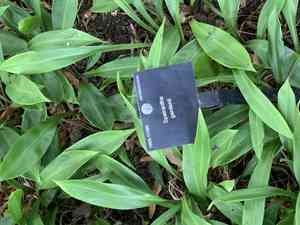
False lily of the valley flourishes when multiplied via division, a method ideal for expanding its presence in your garden. Gently divide the plant's root masses during early spring or autumn, making sure every segment possesses a part of the root structure. Immediately re-establish these portions in adequately draining soil, lightly dampened to stimulate development.
When Is the Best Time to Multiply False Lily Of The Valley?
Propagation Method
Division
Propagation Period
Spring,Autumn
What Tools Are Needed for False Lily Of The Valley Propagation?
Gardening Gloves
These safeguard hands from sharp plant components and soil-borne pathogens during the separation of false lily of the valley. Wearing gloves helps prevent skin irritation or injury when handling the plant's roots and stems.
Sharp Shears or Pruners
Keen blades are essential for making clean cuts through the roots of false lily of the valley during division. This minimizes harm to plant tissues, improving the plant's capacity to recover and grow post-propagation.
Spade or Garden Fork
Utilized for gently lifting false lily of the valley from the ground without overly disturbing the root system. A sharp, sturdy spade or fork can aid in cleanly dividing the plant into sections, ensuring each part has sufficient roots.
Watering Can with a Fine Rose
Ensures gentle irrigation of false lily of the valley after propagation, helping to settle the soil around the roots and lessen transplant shock. The fine rose attachment distributes water evenly, reducing the risk of soil erosion around new plantings.
Rooting Hormone (Optional)
Though not mandatory, applying a rooting hormone to the cut surfaces of false lily of the valley's roots can stimulate root development and enhance the establishment of new divisions. This can be particularly beneficial for encouraging vigorous growth in less than ideal conditions.
How to Propagate False Lily Of The Valley?
Propagation Difficulty
Easy
How to Care for Your Newly Propagated False Lily Of The Valley?
How to Care for Your Newly Propagated False Lily Of The Valley?
Following propagation, false lily of the valley should be placed in an environment that mimics its natural habitatâtypically a shaded or partially shaded area. Maintain consistent moisture but avoid waterlogging, as this can lead to root rot. False lily of the valley prefers a cool setting with indirect light. During the growing season, fertilize the plant monthly with a balanced, diluted feed to support robust growth. Monitor for pests and diseases, treating as needed to maintain plant health.
Common Errors to Avoid When Propagating False Lily Of The Valley
Overwatering
Excessive watering can cause root rot in false lily of the valley, as their roots require a balance of moisture and air. Saturated soil deprives the roots of essential oxygen, leading to decay and poor plant health.
Deep planting
Burying the rhizomes of false lily of the valley too deeply hinders their ability to sprout effectively. This error can result in delayed or failed emergence of new shoots, as the rhizomes struggle to reach the soil surface.
Using non-porous containers
Propagating in containers that lack adequate drainage can cause water to accumulate at the base, similarly increasing the risk of root rot and fungal infections.
Tips For Propagating False Lily Of The Valley
Humidity control
Maintaining moderate humidity around false lily of the valley during propagation helps in mimicking their natural environment, promoting healthier growth and development.
Shaded environment
Providing a shaded or semi-shaded environment is crucial for false lily of the valley, as excessive direct sunlight can scorch the leaves and stress the plant, impeding its growth.
Loose, fertile soil
Using a well-draining, fertile soil mix ensures that the roots of false lily of the valley have an optimal environment to spread without being waterlogged, boosting the overall success of propagation.



