How Much Sunlight Do False lily of the valley Need?
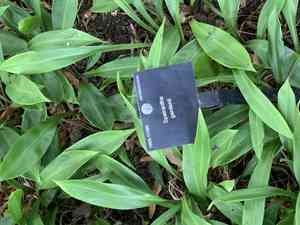
1
False lily of the valley flourishes optimally with roughly 3-6 hours of diffused light each day.
2
Refrain from exposing False lily of the valley to intense, direct sunbeams, which can scorch its leaves.
3
In the colder months, contemplate using supplemental grow lights to guarantee adequate illumination for your plant.
Optimal Light Conditions for False Lily of the Valley
Understanding Natural Habitat
False lily of the valley naturally thrives in forest settings where sunlight filters through the tree canopy. This environment provides dappled light, which is neither overly intense nor consistently dim. Understanding this helps in replicating similar conditions for your plant at home.
Mimicking Natural Light Conditions
To emulate the woodland's natural lighting, position your False lily of the valley in areas receiving filtered or indirect sunlight. A north-facing window typically offers an ideal balance, providing adequate illumination without harsh, scorching rays.
Direct vs. Indirect Sunlight
While False lily of the valley enjoys bright light, distinguishing between direct and indirect sunlight is crucial. Direct sun can be excessively strong, causing foliage damage. Instead, opt for bright, indirect illumination—such as light reflecting off a wall or diffused through a sheer curtain.
How to Ensure Correct Sunlight Exposure
Indoor Lighting Suggestions
When cultivating False lily of the valley indoors, place it in a well-lit room but away from direct sun. Utilize sheer curtains if needed to soften the light. Additionally, consider rotating the plant bi-weekly to promote uniform light distribution.
Outdoor Placement Strategies
Outdoors, False lily of the valley flourishes in shaded garden spots that receive morning sun or dappled light throughout the day. Avoid locations exposed to full afternoon sun, as its intensity can be detrimental to the plant.
Seasonal Sunlight Adjustments
In summer, be mindful of strong sunlight by relocating your plant to a shadier position if necessary. During winter, natural light often diminishes, so consider supplementing with grow lights. Set these artificial lights to provide approximately 12-14 hours of illumination daily.
Indicators of Improper Sunlight Exposure
Symptoms of Excessive Sunlight
False lily of the valley exposed to too much direct sunlight will exhibit signs like yellowed leaves, leaf scorch, and general wilting. If these symptoms appear, promptly move the plant to a less intensely lit area.
Symptoms of Insufficient Sunlight
Inadequate sunlight can result in the plant becoming leggy, with elongated growth and pale foliage. If your False lily of the valley appears weak and stretched, try moving it to a brighter location to encourage healthier development.
How to Rectify Light Problems
To resolve light exposure issues, first identify the symptoms your plant displays. For too much light, move the plant to an area with less direct sun. For too little light, gradually introduce it to a brighter spot. Adjust light conditions incrementally to prevent plant stress from sudden changes.
Common Questions About False Lily of the Valley Sunlight Requirements
Can False Lily of the Valley Survive in Low Light?
False lily of the valley can tolerate low light for brief periods, but it will not flourish. For optimal growth, ensure it receives at least 3-6 hours of indirect sunlight daily. Prolonged low light can lead to weak, spindly growth and poor overall vitality.
What is the Best Time of Day for Sunlight Exposure?
The most favorable time for False lily of the valley to receive sunlight is during the morning hours when the sun's intensity is lower. Morning sun provides an ideal amount of light without the risk of scorching its delicate leaves.
Are Artificial Lights Effective for False Lily of the Valley?
Yes, artificial lights can effectively complement natural sunlight, particularly during darker months. Use full-spectrum grow lights positioned about 30-60 cm (12-24 inches) above the plant to mimic sunlight. Keep the lights on for approximately 12-14 hours daily to ensure your False lily of the valley receives adequate light.



