How to Prune False lily of the valley?
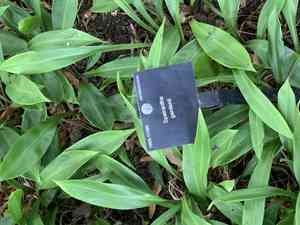
A perennial evergreen, false lily of the valley flourishes with limited trimming, primarily for preserving its well-being and visual appeal. Throughout the year, remove any deceased or discolored foliage to stimulate robust development. Concentrate on excising only compromised or withered leaves to prevent undue strain. This targeted trimming assists in warding off ailments and fosters a neat look. The ideal period for pruning aligns with the post-bloom phase or when seasonal expansion is most evident, guaranteeing a rapid recuperation for false lily of the valley.
What Are the Benefits of Pruning False Lily Of The Valley?
What Are the Benefits of Pruning False Lily Of The Valley?
Trimming false lily of the valley promotes more abundant flowering, stimulates vigor, and helps maintain its desired shape, ensuring optimal health and beauty.
What Is the Best Time for Pruning False Lily Of The Valley?
What Is the Best Time for Pruning False Lily Of The Valley?
Trimming false lily of the valley in late winter to early spring, before new growth begins, is advantageous as the plant is still dormant. This timing allows the gardener to identify and remove any dead or damaged foliage without impacting developing blooms. Furthermore, pruning at the end of the dormant period supports robust growth and helps maintain the desired form and size of false lily of the valley. Pruning during this time also minimizes the risk of disease transmission and avoids undue stress on the plant.
What Tools Do I Need to Prune False Lily Of The Valley?
Hand Pruners
Hand pruners are perfect for making precise cuts to the stems of false lily of the valley without causing unnecessary harm to the plant. These are particularly useful for removing dead or yellowing leaves and for shaping the plant.
Pruning Snips
Pruning snips are useful for detailed work on false lily of the valley, such as thinning out dense areas for improved air circulation and to encourage new growth.
Pruning Shears
Bypass pruning shears are effective for false lily of the valley when needing to cut back overgrown shoots and maintain the desired shape and size of the plant. The bypass blade design provides a clean cut and is less likely to damage the stems during pruning.
How to Prune False Lily Of The Valley
Clean tools
Before beginning any pruning on false lily of the valley, ensure that all pruning tools are clean and sharp to prevent the spread of diseases and to make clean cuts that will heal faster.
Remove diseased leaves
Carefully inspect false lily of the valley for any diseased leaves and remove them by gently snipping at the base of the leaf stem, taking care not to damage the healthy tissue surrounding it.
Trim withered elements
Cut away withered leaves and dead or diseased branches, cutting back to the base or to the next healthy node. If removing a withered flower, cut just above the first set of healthy leaves beneath the flower.
Shape plant
After removing the unhealthy parts, shape false lily of the valley by thinning out crowded areas to increase light penetration and air circulation, which can help prevent future disease and pest infestations.
Cleanup
Dispose of all removed plant material away from healthy plants to minimize the chance of disease spread. Clean tools again after finishing to remove any potentially infectious residue.
Common Pruning Mistakes with False Lily Of The Valley
Overpruning
Removing too many leaves or stems from false lily of the valley can hinder its ability to photosynthesize and grow, which may weaken the plant over time.
Ignoring disease signs
Pruning without first checking for signs of disease can lead to the inadvertent spread of fungus or bacteria, as using the same tools on healthy parts can contaminate them.
Not disinfecting tools
Failing to disinfect pruning tools before use can introduce pathogens to false lily of the valley, potentially causing infections and plant decline.
Flush cutting
Making flush cuts against the main body of false lily of the valley can remove the branch collar, leading to poor wound healing and creating entry points for disease.
Neglecting tool sharpness
Using dull tools can result in jagged cuts that harm false lily of the valley, making it more susceptible to pests and diseases, and affecting regrowth.
Random cuts
Making cuts on false lily of the valley without a clear purpose can lead to unbalanced growth and may detract from the plantâs natural appearance.
Common Pruning Tips for False Lily Of The Valley
Clean cuts
Ensure to make clean, sharp cuts on false lily of the valley at a slight angle to prevent water accumulation on the cut surface, promoting faster healing and reducing disease risk.
Prune to grow point
Cutting back to a leaf node or an outward-facing bud encourages outward growth and maintains the natural shape of false lily of the valley.
Tool disinfection
Regularly disinfect pruning tools with a 10% bleach solution or rubbing alcohol to prevent spreading diseases among false lily of the valley plants.
Moderate pruning
Remove only the necessary amount of growth to shape false lily of the valley or to remove dead and diseased material, preserving the majority of the foliage for plant vitality.
Visibility check
Before making a cut, ensure that the entire stem and its placement within the plant are visible to determine the best place to prune false lily of the valley.
Seasonal pruning
While excluding the best season, remain aware of false lily of the valley's flowering cycle to avoid unintended consequences, such as accidentally reducing the upcoming season's blooms.



