How to Transplant True service tree?
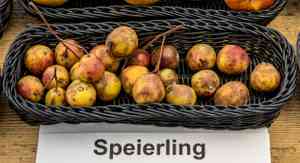
It is most favorable to relocate true service tree during the promising period of early to mid-spring, when the ground becomes warmer and prior to complete foliage emergence. Select a location bathed in sunlight that offers effective water drainage. Should it be necessary, enhance the planting site with organic material to create a welcoming new environment.
Essential Preparations Before Relocating True Service Tree
Optimal Timing for True Service Tree Relocation?
The best time to move true service tree is at the start of spring, specifically early to mid-spring. This period offers mild weather, which aids in root establishment and growth without undue stress. By choosing this timeframe, true service tree's roots can settle before the intense heat of summer. A helpful hint: transplanting true service tree during its dormant phase in spring prevents transplant shock and prepares it for a flourishing season!
Recommended Spacing Between True Service Tree Plants?
Allow ample room for your true service tree to expand. Aim for a spacing of approximately 10-12 feet (3-3.7 meters) between transplants. This spacing supports proper root development and healthy tree growth.
Ideal Soil Mixture for True Service Tree Transplanting?
Select a loamy, well-draining soil for your true service tree. Before planting, enrich the soil with a base fertilizer rich in potassium and phosphorus to encourage its development.
Optimal Location for True Service Tree Relocation?
Remember, true service tree thrives in sunlight! Choose a garden spot that receives full sun exposure throughout the day for best growth. Avoid areas with excessive shade.
Equipment Needed for True Service Tree Transplantation
Gardening Gloves
To safeguard your hands while handling soil and the plant.
Spade or Garden Shovel
For excavating the plant, ensuring the root system remains undamaged.
Garden Fork
Useful for loosening and aerating the soil at the new site.
Pruning Shears
To trim any damaged roots or branches.
Wheelbarrow
For transporting the plant to its new position.
Hose or Watering Can
To hydrate the plant before and after the transplanting process.
Mulch
To help maintain soil moisture post-transplanting.
Garden Trowel
Helpful for refilling the hole after transplanting.
How to Extract True Service Tree from the Ground
How to Extract True Service Tree from the Ground?
From Ground: Start by watering the true service tree plant a few hours before you intend to move it. This softens the soil, making it easier to work with. Use a spade or garden shovel to dig a wide trench around the true service tree plant, ensuring the root ball stays intact. Gradually work the spade beneath the root ball and carefully lift the plant from its original spot. From Pot: Water the true service tree plant thoroughly to moisten the soil, then invert the pot while gently supporting the plant at its base. Lightly tap the pot's rim against a firm surface, which should help release the plant. From Seedling Tray: Fill the tray with water and allow the true service tree plant to absorb it from the bottom for several minutes. Carefully hold the seedling by its leaves and then push up from the bottom of the cell to remove it.
Step-by-Step Guide for Transplanting True Service Tree
Hole Preparation
Dig a hole twice the width of the plant's root ball but no deeper. Loosen the edges of the hole with your spade to facilitate root penetration.
Preparing the true service tree
Trim off any roots that are damaged or diseased.
Positioning the true service tree in the Hole
Place the plant in the hole, ensuring the top of the root ball is level with the ground surface.
Backfilling
Refill the hole with the original soil and gently firm it around the base of the true service tree.
Watering
Water the plant thoroughly after transplanting to settle the soil and aid its adjustment to the new location.
Mulching
Apply a layer of mulch around the base of the true service tree, but keep it from touching the plant's stem.
Post-Transplant Care for True Service Tree
Feeding
Wait until your true service tree shows signs of new growth before applying a general-purpose garden fertilizer. Excessive fertilizer immediately after transplanting can cause burning.
Pruning
It's advisable to prune the true service tree to minimize water loss through its leaves and to help the plant direct energy towards root establishment.
Careful Handling
Avoid handling or working near your newly transplanted plants when they are wet or when the soil is waterlogged. This can spread diseases or compact the soil.
Monitoring
Regularly inspect your true service tree for any pests or diseases. Early detection allows for quicker solutions.
Troubleshooting Common True Service Tree Transplantation Issues
When is the best time to transplant true service tree?
The most opportune time to transplant true service tree is during S1-S2. During this period, the plant's growth is more manageable and adaptable to the new environment.
What is the ideal spacing when planting true service tree?
The preferable spacing between each true service tree should be around 10-12 feet (3-3.6 meters). This ensures adequate space for healthy growth and root spread.
Should I water true service tree immediately after transplanting?
Yes, gently water true service tree following transplantation. It helps in establishing roots in the new location and managing stress from the move.
How deep should the hole be for transplanting true service tree?
The hole should be twice as wide and as deep as the root ball of true service tree. The plant's top should be level with or slightly above the ground surface.
What to do if the leaves of true service tree turn yellow after transplanting?
Yellowing leaves could be a sign of transplant shock or water stress. Adjust watering habits and ensure the plant is getting appropriate sunlight. If symptoms persist, seek help from a plant expert.
Do I need to add any fertilizer when transplanting true service tree?
A slow-release, balanced fertilizer can be beneficial after transplanting true service tree, but it's not essential. Too much fertilizer can hinder root development, so use sparingly.
How much sunlight does true service tree need after transplant?
True service tree prefers full sunlight to partial shade. It can withstand a variety of light conditions, but optimal growth occurs with plenty of light.
What could cause true service tree to wilt after transplanting?
If true service tree starts to wilt post-transfer, it might be experiencing transplant shock. Ensure it is receiving enough water and the appropriate amount of sunlight. Protection from harsh weather conditions can also help.
Do I need to prune true service tree after transplanting?
Usually, true service tree doesn't need immediate pruning post-transplant. However, removing dead, damaged, or diseased branches will promote healthier growth.
What soil type is most suitable for true service tree after a transplant?
True service tree is not particularly picky about soil but will thrive best in well-drained, fertile soil that isn't overly dry or waterlogged.



