How to Prune True service tree?
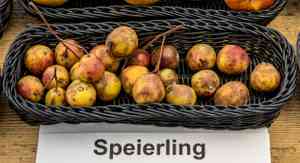
This deciduous arboreal species, recognized for its diminutive pomes and propensity for thriving in dense ground, flourishes with appropriate upkeep. For Sorbus domestica, conduct pruning in late winter prior to the emergence of new foliage to eliminate deceased, ailing, or intersecting limbs and to sustain an unobstructed core, which enhances air movement and diminishes the likelihood of illness. A gentle reduction of shoots can stimulate branching. Refrain from extensive cutting to safeguard its form; Sorbus domestica benefits from limited interference, prioritizing its well-being and delicate contouring.
What Are the Benefits of Pruning True Service Tree?
What Are the Benefits of Pruning True Service Tree?
Trimming true service tree promotes a more abundant yield by encouraging robust development and helping the tree maintain a manageable form, which enhances light penetration and air circulation.
What Is the Best Time for Pruning True Service Tree?
What Is the Best Time for Pruning True Service Tree?
Trimming true service tree in late winter coincides with its dormant phase when the plant exhibits minimal active growth, thereby minimizing stress. This timing lowers the chance of infection from cuts, as many pests and diseases are less active. It also allows for clearer visibility of the tree's structure without leaves, aiding in more strategic cuts. Pruning before spring supports a healthy surge of new growth and enables rapid healing, and it also prevents the removal of flower buds, which formed the previous year, ensuring the flowering and fruiting potential of true service tree is not compromised.
What Tools Do I Need to Prune True Service Tree?
Hand pruners
For severing smaller branches under 3/4 inch in diameter. Perfect for shaping and maintaining true service tree.
Loppers
To manage larger branches up to 1 1/2 inches thick. They offer increased leverage for thicker branches of true service tree.
Pruning saw
Essential for branches exceeding 1 1/2 inches. Saws create clean cuts and prevent harm to the tree's trunk and remaining branches.
Pole pruner
Required for reaching elevated branches without a ladder. Ensures safety when trimming taller specimens of true service tree.
Hedge shears
Useful for shaping hedges if true service tree is cultivated as a hedge plant. Not suitable for larger branches but can effectively trim soft growth.
How to Prune True Service Tree
Cleantools
Before beginning, ensure all pruning implements are clean and sharp to prevent disease transmission to true service tree.
Removedead
Identify and eliminate any dead branches from true service tree by cutting them where they meet healthy wood, ensuring cuts are clean and precise.
Eliminatediseased
Carefully sever diseased branches from true service tree, disposing of them properly to halt the spread of infection. Make the cut well below the affected area to ensure all compromised tissue is removed.
Thincrowded
Thin out congested areas to enhance air circulation, which can help reduce the risk of disease in true service tree. Selectively remove some branches where growth is dense.
Woundcare
After trimming, apply a wound dressing to the cuts on true service tree only if advised by horticultural guidelines, as some cuts heal better without sealants.
Common Pruning Mistakes with True Service Tree
Overpruning
Removing excessive foliage from true service tree at once can stress the plant, diminishing its vigor and potentially harming its structure and fruit production.
Flush Cuts
Making cuts flush against the trunk can remove the branch collar, leading to poor wound healing and an elevated risk of disease.
Neglecting Deadwood
Failing to remove dead or diseased wood can lead to infections and pest infestations, which can spread to healthy parts of true service tree.
Tearing Bark
Incorrect pruning cuts can cause the bark to rip, which damages true service tree and creates openings for disease.
Pruning Without Sanitizing
Using unsanitized pruning tools can spread diseases from infected plants to healthy ones, including true service tree.
Inadequate Cut Placement
Cutting too far from the bud can result in dieback, while cutting too close can damage the bud, affecting the growth and form of true service tree.
Ignoring Plant Architecture
Disregarding the natural shape and growth pattern of true service tree can lead to a loss of its aesthetic form and reduced fruiting.
Common Pruning Tips for True Service Tree
Clean Cuts
Ensure cuts are clean and sharp to promote rapid healing and reduce the risk of disease for true service tree.
Sanitizing Tools
Disinfect pruning tools before and after use to prevent spreading pathogens to true service tree.
Angle Cuts
Angle cuts away from buds to ensure water does not accumulate on the cut surface, reducing the chance of rot and disease in true service tree.
Gradual Pruning
Prune true service tree gradually over several seasons if rejuvenation is needed, to avoid shocking the plant and to maintain its health and productivity.
Branch Collar
Always cut just outside the branch collar to encourage proper healing and to preserve the natural defenses of true service tree.
Thinning
Thin out dense branches to improve air circulation and light penetration, essential for the health and fruiting success of true service tree.
Strategic Removal
Selectively remove crossing or rubbing branches to foster a strong framework and to prevent wounds that could be entry points for disease in true service tree.
Protective Gear
Wear protective gloves and eyewear to reduce the risk of injury when pruning true service tree, ensuring safe gardening practices.



