Enhancing Your Garden Design with the True service tree Plant: A Landscaping Guide
1
The True service tree presents a distinct aesthetic charm with its notable seasonal transformations.
2
Optimal positioning and maintenance are essential for enhancing the advantages of the True service tree in your garden.
3
The True service tree delivers considerable environmental advantages, including boosting local biodiversity.
Introducing the True Service Tree in Landscape Design
Understanding the visual impact of the True Service Tree
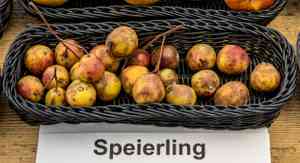
A primary reason to consider incorporating the True Service Tree into your outdoor space is its significant visual presence. This tree possesses a distinct and captivating appearance that can function as both a central feature and a complementary element in various garden schemes. Its abundant foliage, striking bark, and sturdy form make the True Service Tree a prominent addition, adding depth and maturity to your garden. Its unique fruits provide a whimsical touch, making it an interesting talking point for guests. Whether you're aiming for a contemporary, minimalist look or a more traditional, rustic feel, the True Service Tree can be seamlessly integrated to enhance the overall charm of your outdoor area.
The True Service Tree's seasonal transformations
Another compelling characteristic of the True Service Tree is its capacity to change throughout the year, offering distinct attractions in each season. In spring, the True Service Tree blossoms with delicate flowers, bringing a fresh and lively touch to your garden. The summer months bring full, lush leaves that offer ample shade and a sense of calm. As autumn approaches, the True Service Tree's foliage transforms into a spectacular display of colors, creating a breathtaking autumnal scene. Even in winter, the bare branches and unique bark of the True Service Tree provide a stark yet beautiful contrast against a snowy backdrop. These seasonal changes ensure your landscape remains dynamic and visually engaging year-round.
Selecting the Ideal Spot for Your True Service Tree
Key considerations for optimal placement
Choosing the perfect location for your True Service Tree in your landscape involves several important factors. First, consider the tree's mature size; ensure there's sufficient room for it to grow without interfering with other plants or structures. Think about its proximity to your home or other buildings, as well as any subterranean utilities that its root system might affect. Additionally, consider how the True Service Tree's placement will impact sightlines and movement within your garden. A well-placed True Service Tree can act as a natural divider or a focal point, adding structure and elegance to your outdoor area.
Sunlight and soil requirements for the True Service Tree
The True Service Tree thrives in full sun to partial shade, making it adaptable to various garden environments. Aim to plant it in an area that receives at least six hours of direct sunlight daily. Soil conditions are equally crucial; the True Service Tree prefers well-drained, loamy soil but can tolerate a range of soil types, including clay and sandy soils. Ensure the soil is fertile and has a neutral to slightly acidic pH for optimal growth. Regularly test the soil and amend it as needed to maintain a healthy growing environment for your True Service Tree.
Integrating the True Service Tree into Existing Landscapes
Companion plants for the True Service Tree
To maximize the visual appeal of the True Service Tree, consider pairing it with complementary plants that enhance its beauty and create a cohesive landscape design. Perennial shrubs, flowering plants, and ground covers can all work harmoniously with the True Service Tree. For instance, surround the True Service Tree with low-growing perennials that bloom in contrasting colors to highlight its seasonal changes. Ornamental grasses and evergreens can provide additional texture and depth, ensuring your landscape remains interesting even when the True Service Tree is not in bloom. The key is to select plants that thrive in similar light and soil conditions, creating a balanced and sustainable garden ecosystem.
Design principles with the True Service Tree: Balance and symmetry
When incorporating the True Service Tree into your landscape, it's essential to consider balance and symmetry. If you're designing a formal garden, symmetry can be achieved by planting the True Service Tree alongside identically spaced trees and shrubs to create a harmonious and orderly appearance. In a more informal or naturalistic garden, consider using the True Service Tree as an anchor or focal point around which other plants are artfully arranged. The goal is to create a sense of balance that feels organic and visually pleasing. Additionally, pay attention to the interplay of shapes, colors, and textures to ensure that the True Service Tree enhances rather than overwhelms the overall design.
Ongoing Care Guidelines for the True Service Tree
Pruning and seasonal upkeep
Maintaining the health and appearance of the True Service Tree requires regular pruning and seasonal care. Prune the True Service Tree in late winter or early spring before new growth begins to shape the tree and remove any dead or diseased branches. This helps improve air circulation and sunlight penetration, promoting overall tree health. Additionally, apply a balanced fertilizer in the spring to support new growth and consider mulching around the base to retain moisture and control weeds. During the growing season, monitor the True Service Tree for signs of pests or diseases and address any issues promptly to keep your tree thriving.
How to assess the health of your True Service Tree
Monitoring the health of the True Service Tree involves regular inspections to identify potential problems early. Look for signs of stress such as wilting leaves, discoloration, or unusual growth patterns. Check the bark for any damage or signs of disease, and inspect the roots for rot or other issues. Being proactive about health monitoring allows you to take swift action, whether that involves adjusting watering practices, applying treatments, or consulting with a professional arborist. Maintaining a healthy True Service Tree not only ensures its longevity but also preserves its aesthetic and ecological benefits for years to come.
Environmental Advantages of the True Service Tree
Enhancing biodiversity with the True Service Tree
One of the prominent ecological benefits of the True Service Tree is its capacity to contribute to local biodiversity. The tree attracts various species of birds, insects, and small mammals, providing them with food, shelter, and nesting sites. This makes the True Service Tree an excellent choice for wildlife-friendly gardens. Its flowers are particularly appealing to pollinators such as bees and butterflies, playing a crucial role in supporting pollination and maintaining ecosystem health. By planting the True Service Tree, you're not just enhancing your landscape's visual appeal but also fostering a diverse and vibrant garden ecosystem.
Benefits of the True Service Tree beyond its beauty
Beyond its undeniable beauty, the True Service Tree offers several practical advantages that make it a valuable addition to any landscape. The tree's root system helps to stabilize soil, reducing erosion and improving soil structure. The True Service Tree also aids in water management by absorbing excess rainfall, which helps prevent waterlogging and supports better drainage. Furthermore, the True Service Tree can sequester carbon, contributing to efforts to mitigate climate change. By incorporating the True Service Tree into your garden, you're not only creating a picturesque outdoor space but also contributing positively to the environment.



