How to Propagate True service tree?
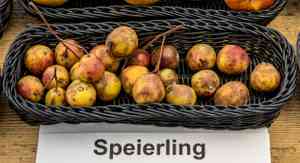
The European wild service tree, recognized for its extended lifespan and aesthetic appeal in garden settings, can be successfully multiplied via the grafting method. This procedure facilitates the creation of genetic duplicates, guaranteeing the progeny's identical characteristics. When performing grafting, select a robust rootstock to foster vigorous development. It is crucial to disinfect all cutting implements to avert the spread of pathogens. Meticulous focus on the connection point between the scion and the rootstock will enhance the likelihood of a successful graft.
What Is the Best Time To Propagate True Service Tree?
Propagation Type
Grafting
Propagation Season
Spring,Winter
What Tools Are Used in True Service Tree Propagation?
Grafting Knife
A sharp, precise grafting knife is vital for clean, accurate cuts during the true service tree grafting process. This tool enables the propagator to make exact incisions in the scion and rootstock, crucial for strong vascular contact and improved grafting success.
Grafting Tape
Grafting tape secures the scion to the rootstock, maintaining necessary pressure and alignment at the graft union. This prevents air and pathogens from entering the graft area, promoting better adhesion and healing of true service tree.
Pruning Shears
True service tree may require preparing rootstock and scion from larger branches, necessitating sharp, clean pruning shears for initial cuts before fine grafting work. Well-maintained shears ensure smooth cuts that heal effectively, reducing plant stress.
Wound Sealant
After grafting, applying wound sealant to true service tree cuts aids healing and prevents infection or drying. This product is especially beneficial for protecting the graft until it has fully taken and begun growth, boosting overall propagation success.
Labeling Tags
For proper documentation and tracking of graft success, labeling tags are essential. These mark grafted true service tree with dates, graft type, and scion/rootstock origin, vital for long-term monitoring and maintenance of grafted plants.
How to Propagate True Service Tree?
Propagation Type
Moderately Difficult
How to Care for Your Newly Propagated True Service Tree?
How to Care for Your Newly Propagated True Service Tree?
Once the graft has taken, gradually expose true service tree to more direct sunlight for hardening. Ensure regular watering, keeping the soil moist but not waterlogged. During the first year, limit fertilization to avoid excessive foliage growth over root and graft development. Prune only dead or excess branches to encourage a strong, healthy structure. With proper care, true service tree will establish and begin producing its characteristic fruit in a few years.
Common Mistakes to Avoid When Propagating True Service Tree
Ignoring stratification needs
Without proper stratification, true service tree seeds may not break dormancy, leading to low germination rates.
Improper cutting technique
Incorrectly taken cuttings may not root well, potentially causing propagation failure with true service tree.
Neglecting soil composition
Using the wrong soil mix can inhibit root development in true service tree, thus affecting plant health and growth.
Overwatering
Constantly wet substrate can lead to root rot, a condition detrimental to the health of cuttings or seedlings of true service tree.
Underestimating pest control
True service tree is susceptible to pests during propagation, and lack of control measures can lead to infestation and plant stress.
Tips For Propagating True Service Tree
Seed stratification
Simulate winter conditions for true service tree seeds to stimulate germination, as these seeds have specific dormancy requirements.
Cutting selection
Choose healthy, semi-hardwood growth from true service tree for cuttings to ensure higher chances of successful rooting.
Soil mixture
Prepare well-draining and fertile soil mix to support the growth of true service tree seedlings and cuttings.
Watering balance
Maintain adequately moist conditions for true service tree propagation mediums, avoiding over-saturation to prevent disease.
Pest prevention
Regularly inspect the propagating material of true service tree for signs of pests, and take appropriate measures to protect the plants.



