How to Transplant Japanese rowan?
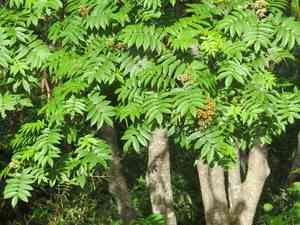
The ideal period for transplanting japanese rowan extends from the onset of early spring until the threshold of summer's heat, facilitating vigorous root development. Select a location that receives full sun or dappled light, protected from strong gusts. During the relocation of japanese rowan, minimize disruption to the root system to encourage a seamless adjustment.
Preparations Required Before Relocating Japanese Rowan
Optimal Period for Moving Japanese Rowan?
The best time to relocate japanese rowan is from early spring until late spring. Transplanting during this period allows japanese rowan to settle into the comfortably cool, yet increasingly warm soil, providing its roots with the ideal balance of moisture and warmth to flourish. Choosing this season offers a supportive beginning for japanese rowan, as post-winter temperatures and spring rains naturally aid root development.
Recommended Spacing Between Japanese Rowan Plants?
When getting ready to transplant japanese rowan, ensure ample room for each plant to develop. Aim for a distance of 15-20 feet (4.5-6 meters) between them. Proper spacing will help japanese rowan thrive by providing sufficient sunlight and air circulation.
Ideal Soil Mixture for Japanese Rowan Transplanting?
For japanese rowan, the perfect soil should be well-draining, fertile, and slightly acidic to neutral. Before transplanting, incorporate a balanced, slow-release fertilizer as a foundation to support healthy growth. Remember to gently loosen the roots during planting!
Where Should You Replant Your Japanese Rowan?
Select a sunny location receiving at least 6 hours of direct sunlight daily for your japanese rowan. Also, consider an area that offers protection from strong, drying winds, as this will ensure your japanese rowan gets adequate light while minimizing stress.
Equipment Needed Before Transplanting Japanese Rowan?
Shovel or Spade
For digging out the japanese rowan from its original spot and creating a new planting hole.
Gardening Gloves
To safeguard your hands while handling soil and the plant.
Watering Can or Hose
To hydrate the japanese rowan before and after its relocation.
Pruning Shears
To trim any damaged roots or branches if necessary.
Wheelbarrow or Garden Cart
To easily move the japanese rowan from one place to another.
Soil Amendment
To mix into the planting hole for enhanced soil conditions.
Mulch
To help regulate soil temperature and retain moisture post-planting.
Stakes or Supports
To stabilize the japanese rowan in its new location until its root system is established.
How to Extract Japanese Rowan from the Ground?
How to Extract Japanese Rowan from the Ground?
From Pot: Gently tilt the container and tap its sides to loosen the soil. Carefully pull the japanese rowan by the base of its main stem, avoiding root damage.From Ground: Water the japanese rowan to moisten the soil. Dig a wide circle around the plant with a shovel or spade, preserving the root ball's integrity. Carefully lift the japanese rowan from the ground, keeping the roots intact.From Seedling Tray: Dampen the soil and gently ease the japanese rowan out using a tool like a dibber or by pushing from the bottom, taking care not to break the delicate roots.
Step-by-Step Guide for Transplanting Japanese Rowan
Digging the Hole
Excavate a hole twice the width of the japanese rowan's root ball and equally deep to allow for root expansion.
Preparing the Plant
Remove any damaged roots or stems with pruning shears, ensuring the japanese rowan is healthy before planting.
Placing the Plant
Position the japanese rowan in the center of the hole, spreading its roots outward without bending.
Soil Replacement
Backfill the hole with soil and any soil amendment, gently firming to eliminate air pockets.
Stabilizing
If needed, insert stakes at a slight angle away from the japanese rowan and loosely tie it for support.
Watering
Thoroughly water the japanese rowan after planting to help settle the soil around its roots.
Post-Transplant Care for Japanese Rowan
Stabilization
Use stakes and soft ties to support the japanese rowan if it shows signs of leaning or instability.
Watering
Keep the japanese rowan's soil consistently moist for several weeks, allowing the plant to establish without water stress.
Mulching
Apply mulch around the base of the japanese rowan to retain moisture and suppress weeds, avoiding direct contact with the stem.
Pruning
Trim any dead or damaged branches to encourage healthy new growth on the japanese rowan.
Monitoring
Watch for signs of transplant shock, such as wilting or discolored foliage, and address them promptly.
Resolving Common Issues with Japanese Rowan Transplantation.
When is the best time to transplant japanese rowan?
The ideal period is early to late spring, providing a gentle start for japanese rowan's growth cycle.
How far apart should I space japanese rowan when transplanting?
Ensure a generous distance of 15-20 feet (4.6-6 meters) between each japanese rowan for optimal growth.
How deep should the planting hole be for japanese rowan?
Dig a hole twice the width and the same depth as the root ball for a proper fit.
Should I amend the soil when transplanting japanese rowan?
Yes, enriching the soil with compost or well-rotted manure will give japanese rowan a nutrient boost.
What if japanese rowan wilts after transplanting?
Consistent watering is crucial. Keep the soil moist, but not waterlogged, to revive your wilting japanese rowan.
How do I know if the roots of japanese rowan are established?
Look for new growth. This indicates root establishment, typically within a season or two.
Is mulching necessary after transplanting japanese rowan?
Absolutely! Mulch conserves moisture and regulates soil temperature, fostering a hospitable environment for japanese rowan.
How to protect newly transplanted japanese rowan from frost?
Wrap the base with burlap and mulch the surrounding soil to shield japanese rowan from frost damage.
Can I prune japanese rowan immediately after transplanting?
Refrain from pruning. Let japanese rowan focus on reestablishing its roots before any shaping.
Why are the leaves of my transplanted japanese rowan turning yellow?
This could be a sign of stress. Ensure proper watering, avoid over-fertilization, and check for pests.



