How to Propagate Japanese rowan?
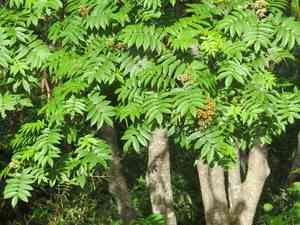
The Japanese rowan, a adaptable decorative tree, is prized for its vivid berry clusters and impressive fall leaves. For propagating Japanese rowan, semi-hardwood sections are generally harvested from established branches. These sections should be readied with precise, slanted cuts to enlarge the exposed area, thereby boosting their capacity to root. It is crucial to apply a rooting stimulant to these cuttings prior to embedding them in a sterile, well-draining substrate, ensuring steady moisture and warmth without oversaturation. Meticulous management of humidity levels can avert drying out while fostering robust root formation. Following successful rooting, a progressive adjustment period will guarantee a smooth transfer.
When Is the Optimal Time to Propagate Japanese Rowan?
Propagation Method
Cutting
Propagation Period
Autumn,Winter
What Tools Are Utilized in Japanese Rowan Propagation?
Sharp Pruning Shears
Crucial for making clean, precise cuts on japanese rowan stems. Shears with a sharp, stainless steel blade ensure cuttings are taken without crushing plant tissues, vital for healthy root development.
Rooting Hormone Powder
Applied to the cut end of japanese rowan cuttings, this hormone stimulates faster root growth and enhances the overall success rate of propagation. It aids in rapid root establishment in the new environment.
Clean Pots with Drainage Holes
Used for planting japanese rowan cuttings. Pots must have sufficient drainage to prevent waterlogging, which could cause new roots to rot. Small to medium-sized pots are typically recommended for initial planting.
Sterile Potting Mix
Offers a safe and nourishing growth medium for japanese rowan cuttings. A mix formulated for seed starting or cuttings, often containing peat, perlite, and vermiculite, ensures good aeration and moisture retention, promoting root growth.
Plastic Covers or Mini Greenhouse
Creates a humid microclimate around japanese rowan cuttings, essential for keeping them moist and encouraging root and shoot development. This setup prevents cuttings from drying out and supports early growth stages.
How to Propagate Japanese Rowan?
Propagation Difficulty
Moderately Difficult
How to Nurture Your Newly Propagated Japanese Rowan?
How to Nurture Your Newly Propagated Japanese Rowan?
Once the japanese rowan cutting has rooted and shows new growth, gradually introduce it to the outdoor environment if grown indoors. Ensure consistent but not excessive watering. During its first growing season, place it where it gets morning sun and afternoon shade to prevent scorching. Begin a monthly feeding schedule with a balanced fertilizer during the growing season.
Common Errors to Avoid When Propagating Japanese Rowan
Incorrect cutting selection
Using old or diseased wood can lead to failed propagation attempts, as vigorous and healthy cuttings are essential for successful rooting and growth.
Excessive watering of cuttings
This can cause the cutting bases to rot, severely hindering new root development and potentially leading to the cutting's demise.
Insufficient light for seedlings
Inadequate light can result in weak, elongated, and potentially non-viable seedlings, as japanese rowan requires ample light for robust growth after germination.
Advice For Propagating Japanese Rowan
Utilize semi-hardwood cuttings
Semi-hardwood cuttings taken in late summer tend to root best. They should be healthy and free from any signs of stress or disease.
Maintain humidity
Using a humidity dome or plastic bag over cuttings helps maintain a high humidity environment, crucial for preventing moisture loss and encouraging root growth.
Soil preparation for seed propagation
Use a well-draining, sterile seed starting mix. This prevents damping off and other fungal diseases, which can be catastrophic for young seedlings.
Regular monitoring and adjustment
Check the soil's moisture level regularly but avoid overwatering. Adjust positions and environmental conditions based on the observable health and growth of cuttings or seedlings.



