Enhancing Your Garden Design with the Japanese rowan Plant: A Landscaping Guide
1
The Japanese rowan provides continuous aesthetic appeal through its diverse seasonal features.
2
Cultivating Japanese rowan aids local fauna by supplying sustenance and refuge.
3
Appropriate upkeep and placement are vital for sustaining a flourishing Japanese rowan.
Why Opt for Japanese Rowan in Your Garden?
Visual Allure: The Aesthetic Advantages
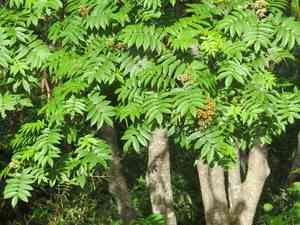
For boosting your garden's visual appeal, Japanese rowan is an excellent selection. This tree is celebrated for its striking look, featuring beautifully serrated leaves that turn vivid red in autumn. Its clusters of bright red berries against the lush green foliage in summer and spring make it a prominent feature. Including Japanese rowan in your garden guarantees a dynamic and captivating scene that changes with the seasons, adding depth and character to your landscape.
Year-Round Interest: Seasonal Highlights
Japanese rowan excels in all four seasons, making it a superb choice for continuous beauty in your garden. In spring, delicate white flowers bloom profusely, offering a cheerful welcome to the new season. Summer brings dense, green foliage that provides a cool, inviting canopy. Autumn is perhaps the most spectacular, with leaves turning brilliant red and orange, while red berry clusters add visual interest. Even in winter, bare branches and lingering berries offer a stark and elegant beauty against frost and snow.
Wildlife Attraction: Supporting Biodiversity
A significant benefit of planting Japanese rowan is its capacity to support local wildlife. The berries it produces serve as a food source for various bird species, especially during colder months when food is scarce. Its dense foliage offers excellent nesting sites for birds and shelter for small mammals. By introducing Japanese rowan into your garden, you contribute to the overall ecosystem by fostering biodiversity and providing essential resources for wildlife.
Integrating Japanese Rowan into Your Landscape Design
Selecting the Ideal Location
Choosing the correct spot for Japanese rowan is crucial for its growth and your garden's aesthetics. This tree thrives in well-drained soil and prefers full sun to partial shade. Ensure the chosen location provides ample space for Japanese rowan to reach its full potential, as it can grow up to 30 feet tall. Consider your garden's overall layout and how Japanese rowan can blend with existing plants and structures to create harmony and balance.
Companion Planting Concepts
Pairing Japanese rowan with complementary plants can enhance your landscape's beauty. Consider planting shade-loving perennials like hostas and ferns beneath its canopy to create a lush, layered appearance. Evergreen shrubs can offer a striking contrast to Japanese rowan's seasonal changes, while ground covers can help retain soil moisture and add texture. Other flowering trees and shrubs can complement Japanese rowan's aesthetic, providing a seamless transition between plants.
Design Tips for Maximum Impact
To maximize Japanese rowan's effect in your landscape design, focus on creating focal points and framing elements. Planting Japanese rowan at your garden's entrance or along pathways can draw the eye and create a welcoming atmosphere. Grouping several Japanese rowan trees can form a natural screen or boundary, offering privacy while enhancing beauty. Use lighting to highlight the tree's features at night, emphasizing its structure and casting intriguing shadows.
Care Guidelines for a Thriving Japanese Rowan
Fundamental Upkeep Practices
Maintaining your Japanese rowan's health involves routine tasks. Water the tree regularly during dry periods, especially when young and establishing roots. Mulching around the base helps retain moisture and reduces weed competition. Pruning is essential to remove dead or diseased branches and maintain a desired shape. Fertilization is usually unnecessary if the soil is fertile, but a balanced, slow-release fertilizer can be beneficial in poorer soils.
Seasonal Care Recommendations
Each season demands specific care for Japanese rowan. In spring, monitor for new growth and prune any damaged limbs. Summer involves consistent watering and checking for pest or disease signs. Autumn is for enjoying vibrant foliage while preparing the tree for winter by adding mulch and reducing watering as temperatures drop. In winter, ensure protection against heavy snow and ice accumulation on branches to prevent breakage.
Long-Term Health Monitoring
Regularly inspect your Japanese rowan for health issues like discoloration, unusual leaf drop, or growth problems. Early detection of pests and diseases can prevent extensive damage. Pay attention to the tree's overall vigor, including leaf color, branch structure, and berry production. If persistent issues arise, consulting a local arborist or extension service can provide tailored advice and solutions.
Common Challenges in Growing Japanese Rowan and Their Solutions
Managing Pests and Diseases
Japanese rowan is generally resistant to many pests and diseases, but it can still encounter issues occasionally. Common pests include aphids and caterpillars, which can be controlled with insecticidal soap or natural predators like ladybugs. Diseases such as fire blight can be managed by pruning affected branches and applying appropriate fungicides. Ensuring good air circulation and avoiding excessive moisture can prevent many fungal problems.
Weather-Related Concerns and Remedies
Extreme weather conditions can threaten Japanese rowan. Heavy snow or ice can damage branches, so it's crucial to regularly remove accumulation during winter. In hot summer regions, ensure consistent watering to prevent drought stress. Windy areas may require staking young trees for support until their root systems are fully established. By taking preventative measures, you can help Japanese rowan withstand various weather challenges.
Soil and Nutrition Management
Maintaining proper soil conditions is vital for Japanese rowan to flourish. The tree prefers slightly acidic to neutral soil with good drainage. Conduct a soil test to determine pH levels and nutrient content, and amend the soil as needed. Organic matter, such as compost, can improve soil structure and fertility. Avoid over-fertilizing, as this can lead to nutrient imbalances; a yearly application of a balanced, slow-release fertilizer is generally sufficient.



