How to Prune Japanese rowan?
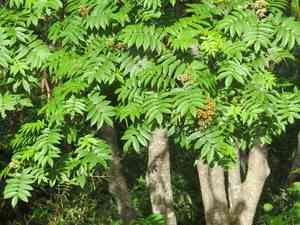
Originating from East Asia, japanese rowan is a deciduous tree recognized for its brilliant fall leaves and bunches of reddish-orange berries. To ensure peak vitality and form, trim japanese rowan in late winter or early spring prior to the emergence of new shoots. Essential pruning methods involve excising dead or ailing wood, reducing dense branches to facilitate light penetration and air movement, and sculpting the crown for visual attractiveness. Pruning while the tree is dormant lessens sap leakage and encourages robust spring development. Consistent trimming preserves structural soundness and boosts fruit yield.
What Are the Benefits of Pruning Japanese Rowan?
What Are the Benefits of Pruning Japanese Rowan?
Trimming japanese rowan is crucial for its vitality, fostering a sturdy framework and lush foliage. Deliberate cuts help preserve its attractive shape and prevent excessive growth that can result in a dull appearance.
What Is the Best Time for Pruning Japanese Rowan?
What Is the Best Time for Pruning Japanese Rowan?
Pruning japanese rowan in late winter or early spring is optimal, typically before new growth emerges. This timing allows gardeners to shape the plant and manage its size without harming developing buds or flowers that will appear in spring. Pruning in late winter while the plant is dormant helps minimize sap loss, which can be more significant if done later in spring or summer. Furthermore, the absence of leaves during this period offers a clearer view of the plant's structure, enabling more precise cuts. Early spring pruning also aids in revitalizing japanese rowan by removing dead, damaged, or diseased branches, promoting healthier growth and improving air circulation within the canopy. This timing is especially beneficial for japanese rowan, which usually blooms in late spring to early summer, as it doesn't interfere with flowering and permits fruit set later in the season.
What Tools Do I Need to Prune Japanese Rowan?
Bypass Pruners
Suitable for making clean cuts on japanese rowan's smaller branches, typically up to 3/4 inch in diameter, which encourages robust new growth.
Lopping Shears
Perfect for cutting through thicker branches of japanese rowan that bypass pruners cannot handle, usually up to 1 1/2 to 2 inches in diameter.
Pruning Saw
Essential for larger branches exceeding 2 inches in diameter on mature japanese rowan specimens, providing the necessary cutting power without causing harm.
Pole Pruner
Useful for reaching higher branches of japanese rowan safely from the ground, reducing the need for ladders.
How to Prune Japanese Rowan
Identify
Thoroughly examine japanese rowan to locate all dead or diseased branches. Look for indications of decay, discoloration, and branches showing no signs of new development.
Sanitize
Before making any cuts, ensure pruning tools are disinfected to prevent disease transmission. Use a solution of one part bleach to nine parts water to sterilize the cutting implements.
Prune Dead
With sanitized pruners, cut dead branches where they meet healthy wood. Make the cut just outside the branch collar to promote proper healing without harming japanese rowan.
Prune Diseased
Carefully remove diseased branches, cutting well into the healthy tissue to ensure all affected parts are eliminated. Dispose of the diseased material off-site to prevent re-infection.
Clean Up
After pruning, clear the area around japanese rowan to remove any fallen debris that could harbor pests or diseases. Sterilize the pruning tools again after completion to keep them ready for future use.
Common Pruning Mistakes with Japanese Rowan
Over-Pruning
Removing too much foliage can stress japanese rowan and impede its ability to photosynthesize effectively, potentially leading to reduced vigor and increased susceptibility to diseases.
Improper Cuts
Making cuts that are either too close or too far from the bud can damage japanese rowan. Cuts too close can harm the buds, while cuts too far can leave unsightly stubs that may attract pests and diseases.
Pruning Without Sterilized Tools
Using tools that are not cleaned and sterilized can introduce diseases to the fresh wounds of japanese rowan, increasing the risk of infection.
Neglecting Damaged Limbs
Failure to remove dead or damaged branches can leave japanese rowan vulnerable to infections and infestations, compromising its overall health.
Common Pruning Tips for Japanese Rowan
Selective Thinning
Remove specific branches to enhance light penetration and air circulation. This targeted approach encourages a strong structure and healthy growth for japanese rowan.
Proper Tool Selection
Use sharp and appropriate tools designed for pruning. Clean cuts heal faster and reduce the risk of disease for japanese rowan.
Pruning Angle
Make cuts at a 45-degree angle, approximately a quarter inch above an outward-facing bud to promote outward growth of japanese rowan. This technique allows water to drain off the cut surface, reducing the risk of disease.
Rejuvenation Pruning
For older plants, performing more aggressive pruning can stimulate new growth. Remove older branches to revitalize japanese rowan and encourage it to produce more vigorous, youthful growth.
Consistency
Regularly inspect and maintain japanese rowan by removing dead, diseased, or crossing branches to preserve its health and aesthetic form.



