How to Transplant Giant false spiraea?
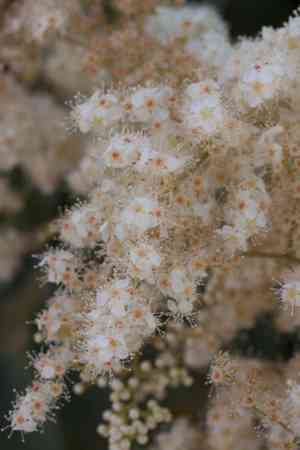
Relocate giant false spiraea during the pleasant temperatures of late spring through midsummer for ideal root development. Select a location receiving full sun to partial shade, featuring soil that drains effectively. Promote robust growth by consistently hydrating the soil following the transplant.
What Preparations are Needed Before Transplanting Giant False Spiraea?
What is the Ideal Time for Transplanting Giant False Spiraea?
The optimal period for relocating giant false spiraea falls between late spring and mid-summer, a time of robust growth. Moving giant false spiraea during this window ensures the soil is sufficiently warm to encourage root development, yet not so hot as to cause plant stress. Early summer also provides a good balance of generally mild weather and extended daylight, allowing ample time for giant false spiraea to establish itself before winter arrives. This timing capitalizes on the season's natural cycles, promoting root expansion and minimizing transplant shock.
How Much Space Should You Leave Between Giant False Spiraea Plants?
Prepare to provide giant false spiraea ample room for expansion. Ideally, maintain a spacing of approximately 3-5 feet (0.9-1.5 meters) between each plant when transplanting. This will ensure they have sufficient space to spread and flourish.
What is the Best Soil Mix for Giant False Spiraea Transplanting?
Preparing the appropriate soil for giant false spiraea is crucial. Select a well-draining type, such as loamy soil, and enrich it with a balanced base fertilizer. This will provide nourishment for your plant and support successful growth.
Where Should You Relocate Your Giant False Spiraea?
Consider sunlight exposure when selecting a new location for giant false spiraea. It thrives in full sun; however, it is adaptable and can also tolerate partial shade. Therefore, choose a sunny spot to ensure it receives the necessary light.
What Equipments Should You Prepare Before Transplantation Giant False Spiraea?
Gardening Gloves
To safeguard your hands while handling the plant and soil.
Shovel or Spade
These will be used to carefully excavate the giant false spiraea from its current spot, or to prepare the new planting site.
Sturdy Trowel
It assists in digging a hole for the new plant's root ball and is also useful for breaking up any soil clumps.
Garden Pruners
To lightly trim away any damaged or overcrowded roots.
Watering Can
For hydrating the plant immediately following transplantation.
Garden Wheelbarrow or Buggy
To transport the giant false spiraea plant along with its root ball if the plant is heavy.
Mulch or Compost
This helps the ground retain moisture and supplies nutrients to the plant.
How Do You Remove Giant False Spiraea from the Soil?
How Do You Remove Giant False Spiraea from the Soil?
From Ground: First, water the giant false spiraea plant several hours before removal to make the soil easier to work with and lessen the plant's shock. Afterward, dig a wide trench around the giant false spiraea, using a spade or shovel, ensuring the plant's root ball remains intact. Then carefully get under the root ball with your shovel to begin freeing it. Be careful to keep the root ball as intact as possible, as the plant's health depends on these roots.From Pot: Start by thoroughly watering the giant false spiraea plant; this helps the plant slide out of the pot more easily. Then, turn the pot on its side, gently pulling the base of the plant. Be careful not to pull the plant by its stems or leaves as they might get damaged. If the plant doesn't slide out, you can tap the rim of the pot on a hard surface to loosen the soil and roots.From Seedling Tray: Water the seedling tray first. Then, press the base of the seedling cell to push the giant false spiraea plant out, making sure not to harm the delicate stem or leaves. Try to keep as much soil with the roots as you can during transplanting.
Step-by-Step Guide for Transplanting Giant False Spiraea
Preparation
Clear any weeds or rocks from the planting area, then dig a hole with your shovel that is twice the width and depth of the giant false spiraea plant's root ball.
Planting
Place the giant false spiraea plant into the prepared hole. Ensure that the top of the root ball is level with the surrounding ground surface.
Fill in
Backfill the hole with soil, making sure not to bury the root ball too deeply. Gently compact the soil around the base of the giant false spiraea plant.
Watering
Using your watering can, thoroughly saturate the soil around the giant false spiraea. This aids in settling the soil around the root ball.
Mulching
Finally, apply a layer of mulch or compost around the base of the giant false spiraea, being careful not to pile it against the stem. This will help retain moisture and provide additional nutrients.
How Do You Care For Giant False Spiraea After Transplanting?
Watering
Even after the initial watering, the soil around the giant false spiraea should be kept consistently moist for the first few weeks following transplantation. This will help the giant false spiraea to establish strong roots and recover from any transplant shock.
Pruning
Trim any wilted or dead leaves or branches; this allows the plant to direct its energy towards new growth.
Checking
Regularly inspect the giant false spiraea for signs of stress or illness, such as wilting or yellowing leaves. If these signs appear, re-evaluate your watering schedule, as over or under-watering could be the cause.
Support
If the giant false spiraea is a tall plant, consider providing support with a stake to prevent it from toppling during strong winds.
Troubleshooting Common Issues with Giant False Spiraea Transplantation.
What's the perfect time of year to transplant giant false spiraea?
The ideal time to transplant giant false spiraea is from late summer to mid-fall (Season 3 to Season 5).
What is the optimum spacing needed when transplanting giant false spiraea?
For optimal growth, ensure giant false spiraea plants are spaced 3-5 feet (approximately 1-1.5 meters) apart during transplantation.
How much sunlight does giant false spiraea need after transplanting?
Giant false spiraea thrives in full sunlight, though it can tolerate partial shade. Ensure the transplant site receives ample sunlight.
How often should I water giant false spiraea post-transplant?
Water giant false spiraea thoroughly after transplantation, then irrigate whenever the soil feels dry to the touch. Avoid waterlogging!
How deep should the hole be when transplanting giant false spiraea?
Dig a hole twice the width of the root ball and of equivalent depth. This allows roots to spread comfortably.
Can giant false spiraea be transplanted in containers?
Yes, giant false spiraea can grow in containers. However, its vigorous growth may necessitate occasional container size upgrades.
Is there any specific soil type suitable for giant false spiraea's transplantation?
Giant false spiraea prefers fertile, well-draining soil. Amend the transplant site soil with compost for improved plant health.
What if leaves of a newly transplanted giant false spiraea turn yellow?
Yellow leaves could indicate watering issues or transplant shock. Adjust watering and allow plants time to acclimate.
Should we prune giant false spiraea before or after transplantation?
Prune giant false spiraea before transplanting to reduce transpiration stress. Please avoid severe pruning; focus on removing damaged or dead sections.
How to speed up root establishment of a newly transplanted giant false spiraea?
Apply root-stimulating fertilizer after transplanting giant false spiraea to encourage quicker root establishment and overall plant development.



