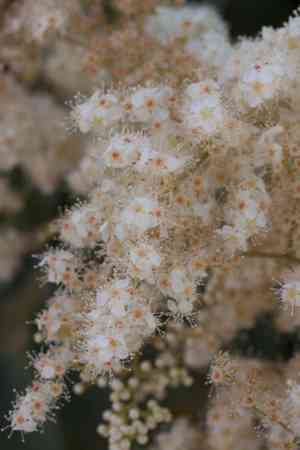
Giant false spiraea (Sorbaria kirilowii)
Also known as: False spirea
The Kirilov sorbeum stands out as a larger deciduous perennial shrub, growing up to 6 meters in height. Its leaves are imparipinnate with persistent stipules. This species is also noted for its succulent nature. The flowering period extends from spring through to fall.
In This Article
Attributes of Giant false spiraea
Lifespan
Perennial
Plant Type
Shrub
Plant Height
2.5 m to 4 m
Spread
3 m to 6 m
Leaf Color
Green
Flower Size
2.5 cm
Flower Color
White
Images of Giant false spiraea
Quickly Identify Giant false spiraea
1
Identify Sorbaria kirilowii by its pinnately compound leaves, which can have up to 25 leaflets. The white flowers form in dense terminal clusters, typically blooming in early summer.
Scientific Classification of Giant false spiraea
Phylum
Vascular plants
Class
Dicotyledons
Order
Rosales
Family
Rose
Genus
Sorbaria
Species
Giant false spiraea
Planting and Growing of Giant false spiraea
Care Difficulty
Easy
Watering Schedule
Every 2 days
Sunlight Requirements
Partial sun
Sunshine Duration
6-10 hours
Ideal Temperature
60-75℉
Soil Type
Potting Mix, Peat Mix
Soil pH
6.5-7.5
Fertilizer Type
Balanced
Pruning Season
Spring, Summer
Pruning Area
Branches, Leaves
Pruning Frequency
2 times a year
Repotting Season
Spring
Pot Type
Plastic, Ceramic
 How to Water Giant false spiraea?
Sorbaria kirilowii prefers soil that remains consistently moist yet not waterlogged. Aim to water the plant thoroughly with about 500 ml each time, ensuring that the water reaches the root zone without allowing excess to linger and accumulate.
What are the symptoms of an underwatered Giant false spiraea?
›
What should I do if my Giant false spiraea is not getting enough water?
›
What are the symptoms of an overwatered Giant false spiraea?
›
How to save an overwatered Giant false spiraea?
›
 What Are the Sunlight Requirements for Giant false spiraea?
Partial sun is ideal for Sorbaria kirilowii, providing 3 to 6 hours of morning sun. This range of light supports healthy growth, vibrant leaves, and abundant flowering.
More About Sunlight Requirements Techniques→
What is the best lighting environment for Sorbaria kirilowii?
›
How can you achieve ideal lighting for Sorbaria kirilowii?
›
What benefits does ideal lighting provide to Sorbaria kirilowii?
›
 What Is the Ideal Temperature Range for Giant false spiraea?
The ideal temperature range for Sorbaria kirilowii is between 60 to 75°F. This range provides optimal conditions for growth, allowing the plant to develop robust foliage and maintain vibrant blooms. Such temperatures are ideal as they support the plant’s metabolic processes effectively.
 What Soil is Best for Giant false spiraea?
Sorbaria kirilowii thrives in soil enriched with organic matter. Such soil supplies essential nutrients that support its vigorous growth, vibrant foliage, and profuse flowering. This plant prefers well-drained soil to avoid root rot. Soil that permits excess water to leach away protects the roots, allowing them to breathe and remain healthy. While well-drained, the soil should also retain some moisture to prevent the plant from drying out. Consistent moisture supports steady growth and robust health.
 How to Fertilize Giant false spiraea?
Sorbaria kirilowii benefits from a balanced approach to fertilization. Generally, use a diluted liquid fertilizer at half-strength to reduce the risk of over-fertilization. For slow-release fertilizers, follow the manufacturer's instructions, providing a general layer around 1-2 inches for mature plants.
 How to Prune Giant false spiraea?
Before starting, inspect the plant thoroughly to identify which branches require pruning, focusing on dead or overly long stems that disrupt the plant's shape. Cut at a 45-degree angle about a quarter inch above a bud facing outward. This ensures water flows off the cut, reducing the risk of rot and promoting healthy new growth. Aim to maintain a balanced, even shape by removing any branches that cross or overlap excessively, allowing light and air to reach interior sections.
More About Pruning Techniques→
 How to Propagate Giant false spiraea plant?
1
Begin by preparing seed trays with a well-draining soil mixture. Ensure that the soil is lightly moist but not waterlogged. Distribute the seeds evenly and lightly cover them with a thin layer of soil. Maintain a consistent temperature for optimal germination.
2
For cutting propagation, select healthy shoots of about 5-8 inches long. Use sterile shears to snip the cuttings and remove the lower leaves to prevent rot. Dip the cut end in rooting hormone to encourage root growth before planting them in potting mix.
3
For division, carefully dig out the plant and separate it into smaller sections, each with roots attached. Use a sharp knife or spade to ensure clean cuts. Replant the divisions immediately in prepared soil at the same depth they originally grew.
 How to Repot Giant false spiraea plant?
1
The prime signal to repot Sorbaria kirilowii is roots poking through drainage holes or circling the pot's edge. Additionally, if you notice stunted growth or the soil drying out too quickly, it's time to give your plant a roomier home.
2
Select a pot 2-3 inches larger than the current one, with ample drainage holes. This size allows growth space while preventing waterlogging, ensuring roots have adequate breathing room which promotes healthier development.
3
Opt for well-draining loamy soil with a mix of sand and organic matter. This choice ensures proper moisture retention without waterlogging, crucial for your plant's root aeration and nutrient uptake.



