How Much Sunlight Do Giant false spiraea Need?
1
Giant false spiraea flourishes in bright sunlight, requiring more than 6 hours of direct sun each day.
2
It can endure some shade, though this might impact its flowering and development.
3
Evidence of sun damage, such as burned foliage and drooping stalks, can be avoided through appropriate attention.
Optimal Light Requirements for Giant false spiraea
Ideal Light Exposure
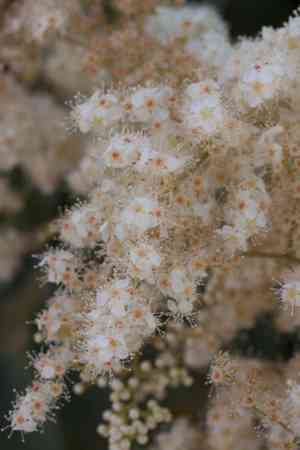
The Giant false spiraea, recognized for its stunning, feathery blossoms and abundant leaves, flourishes best in full sun. Full sun indicates the plant should receive a minimum of six hours of direct sunlight daily. This level of exposure aids the plant in producing vivid flowers and sustaining robust growth. To maximize your Giant false spiraea's potential, ensuring it gets sufficient sunlight is essential.
Daily Light Duration
Aiming for over six hours of daily sunlight can significantly impact the overall health and appearance of your Giant false spiraea. While it can endure occasional periods of partial shade, consistent full sun exposure promotes the most prolific blooming and vigorous growth. Position your plant where it can absorb morning and early afternoon sun to thrive.
Can Giant false spiraea Thrive in Shade?
Partial Shade Tolerance
Although Giant false spiraea prefers full sun, it does possess some tolerance for partial shade. Partial shade means the plant will experience some direct sunlight interspersed with shaded periods throughout the day. If your garden features areas with intermittent sunlight, your Giant false spiraea can still grow reasonably well there, though its flowering may be less abundant.
Full Shade Impact
Cultivating Giant false spiraea in full shade is generally ill-advised. Full shade can severely hinder its growth and flowering capabilities. In full shade, the plant struggles to photosynthesize effectively, resulting in fewer blooms and weaker stems. If only shaded areas are available, consider alternative shade-loving plants to ensure a lush and vibrant garden.
What Occurs if Giant false spiraea Receives Excessive Sun?
Signs of Sun Damage
Even though Giant false spiraea loves sunlight, there's a risk of sun damage if the plant is overexposed, particularly during extreme heatwaves. Look for indicators such as scorched leaf edges, yellowing, or browning foliage, and wilted stems. If you observe any of these symptoms, it signifies that your plant requires immediate attention.
Preventing Overexposure to Sun
To safeguard your Giant false spiraea from excessive sun exposure, consider utilizing shade cloths during the hottest parts of the day or relocating potted varieties to slightly shadier spots during peak sunshine hours. Ensuring the plant is adequately watered, especially during dry spells, can also mitigate sun damage and help maintain overall plant vitality.
Optimal Placement Strategies for Giant false spiraea
Choosing the Best Location in Your Garden
Selecting the ideal spot for your Giant false spiraea is critical. Ideally, you want a garden location that receives full, uninterrupted sunlight for most of the day. Consider areas away from competing tree canopies or tall structures that could cast shadows. Garden edges or open central beds often provide excellent sun exposure.
Adjusting Placement for Seasonal Light Changes
Sunlight exposure fluctuates with the seasons, so remain flexible with your Giant false spiraea. In spring and summer, ensure the plant gets ample sun while providing occasional shade during the hottest periods. In autumn and winter, the sun's angle shifts, and you might need to reposition portable plants or consider pruning nearby foliage to prevent shading. Adapting to these changes will help maintain a healthy and vibrant Giant false spiraea year-round.



